-
- A Sanitary Permit is a mandatory LGU-issued certification proving your business meets national health and safety standards.
- It applies to far more than restaurants — from salons to laundromats to water refilling stations.
- Stricter inspections, digital reporting, and higher penalties make compliance non‑negotiable.
In the Philippines, a Sanitary Permit is one of the most important documents any business must secure before opening. Issued by the City or Municipal Health Office, it certifies that your establishment complies with the health and sanitation standards under Presidential Decree No. 856 — The Code on Sanitation of the Philippines.
Think of it as your business’s “clean bill of health.” Without it, you cannot legally operate and LGUs are stricter than ever, using digital inspections, online submissions, and real‑time violation tagging.
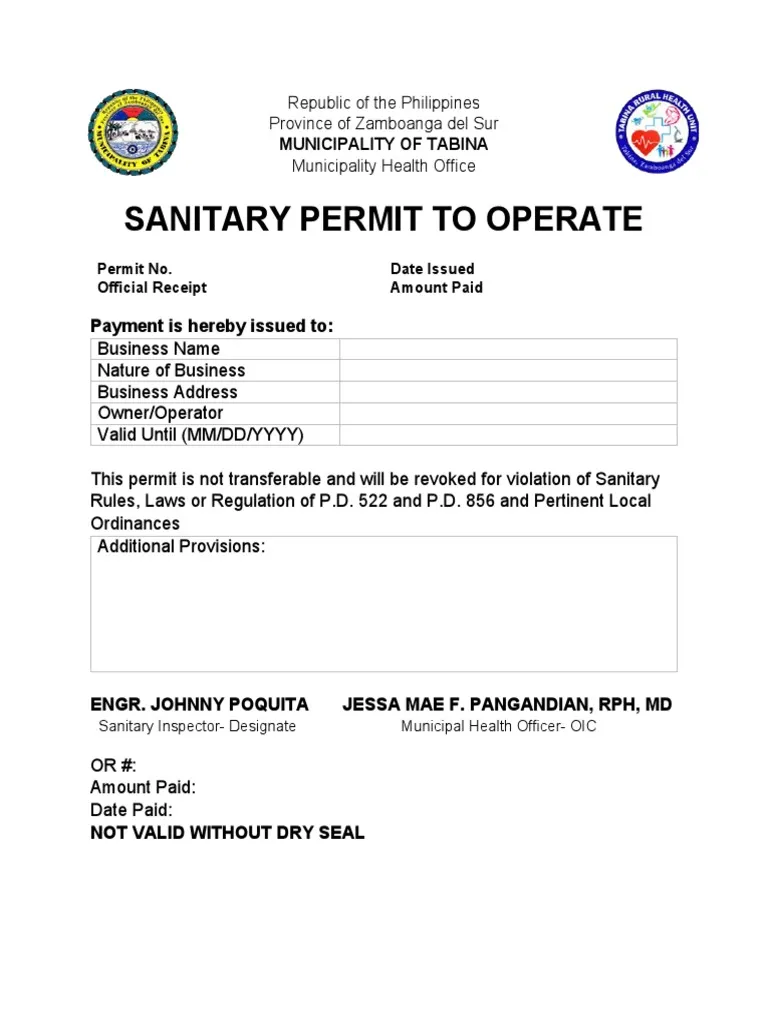
What a sanitary permit means for your business
A Sanitary Permit confirms that your workplace is safe for customers and employees. It ensures your business:
- Has clean and safe facilities
- Uses potable water
- Practices proper waste management
- Controls pests and contamination
- Employs staff who passed health screening
It is renewed yearly and is required before you can obtain or renew your Mayor’s Permit.
Which businesses need a sanitary permit
The scope of the Sanitary Permit is broad. Any business that affects public health, hygiene, or sanitation must secure one.
Food and beverage establishments
These are high‑priority businesses because they directly handle food consumed by the public.
- Restaurants, cafés, and canteens
- Bakeries and pastry shops
- Food stalls, kiosks, and carinderias
- Catering services and commissary kitchens
- Supermarkets and groceries with fresh/frozen sections
- Food manufacturing and processing plants
Requirements
- Employee health certificates
- Water potability test
- Pest control contract
- Floor plan and waste management plan
Best suited for
Hands‑on owners who can maintain strict cleanliness and manage high‑pressure operations. Ideal for cooks, OFWs with F&B experience, or families running a carinderia.
Approximate cost
- ₱3,000 – ₱10,000 for permits and lab tests
- ₱500 – ₱1,000 per employee for health certificates
Challenges
Frequent inspections, strict food handling rules, and high sanitation expectations. Example: A carinderia in Quezon City was temporarily closed after inspectors found improper food storage during a surprise visit.
Personal care and grooming services
These businesses involve close physical contact, making sanitation essential.
- Barbershops and salons
- Spas, massage clinics, sauna baths
- Tattoo and piercing studios
- Dermatology and skin clinics
Requirements
- Health certificates for all staff
- Disinfection logs
- Proper waste disposal for sharps (tattoo/piercing)
- Ventilation and sterilization equipment
Best suited for
Detail‑oriented owners who can maintain hygiene protocols. Ideal for beauticians, massage therapists, or tattoo artists.
Approximate cost
- ₱2,000 – ₱8,000 for permits and sanitation requirements
- ₱1,000 – ₱3,000 for sterilization tools
Challenges
High sanitation expectations. Example: A spa in Cebu was fined for expired disinfectants and lack of sterilization logs.
Healthcare and medical facilities
These businesses handle patients directly and require the highest sanitation standards.
- Medical and dental clinics
- Diagnostic laboratories
- Drug testing centers
- Pharmacies and drugstores
- Hospitals and veterinary clinics
Requirements
- DOH accreditation (for clinics/labs)
- Proper biomedical waste disposal
- Health certificates for staff
- Water potability and sanitation engineering reports
Best suited for
Professionals with medical backgrounds or investors willing to hire licensed staff.
Approximate cost
- ₱10,000 – ₱50,000 depending on facility type
Challenges
Strict compliance and documentation. Example: A dental clinic in Laguna was suspended for improper disposal of sharps.
Residential and leisure facilities
These businesses accommodate guests or provide shared spaces.
- Hotels, motels, and condominiums
- Dormitories and boarding houses
- Resorts, swimming pools, gyms
- Funeral parlors and memorial homes
Requirements
- Regular cleaning logs
- Pool water testing (for resorts)
- Pest control contract
- Waste management plan
Best suited for
Owners with property management experience or those who can supervise staff closely.
Approximate cost
- ₱5,000 – ₱20,000 depending on facility size
Challenges
High maintenance and sanitation expectations. Example: A dormitory in Manila was closed for failing to maintain clean shared bathrooms.
Industrial and other services
These businesses affect public health through waste, chemicals, or water usage.
- Laundry shops and dry cleaners
- Water refilling stations
- Banks and department stores
- Industrial plants, piggeries, poultry farms
Requirements
- Monthly water potability tests (for water stations)
- Ventilation and waste disposal systems
- Pest control and sanitation logs
Best suited for
Owners who can manage equipment, utilities, and compliance. Ideal for OFWs investing in laundromats or water stations.
Approximate cost
- ₱3,000 – ₱15,000 for permits and testing
Challenges
High utility costs and strict water testing. Example: A water refilling station in Cavite was shut down for failing its monthly bacteriological test.
Core requirements
While LGUs vary slightly, these are universal requirements:
- Employee Health Certificates (X‑ray, stool exam, urinalysis)
- Water Potability Test from an accredited lab
- Pest Control Contract from a DOH/DTI‑accredited provider
- Schematic Floor Plan showing toilets and handwashing areas
- Sanitary Engineering Report for industrial or large food facilities
Penalty and renewal facts
- Validity: 1 year, renewed every January
- Surprise inspections: LGUs now use tablets for real‑time violation tagging
- Penalties: ₱5,000 – ₱50,000 depending on severity
- Immediate closure: for businesses posing health risks
Pro Tip: Many LGUs now require online submission of pest control logs and water test results before scheduling an inspection.
Conclusion
A Sanitary Permit is more than a requirement — it is a commitment to public health and business professionalism. Whether you run a carinderia, salon, clinic, or water station, compliance protects your customers, your staff, and your livelihood.
With stricter regulations, the smartest entrepreneurs prepare early, maintain clean operations, and treat sanitation as part of their brand identity.
When your business is clean, compliant, and trustworthy, customers notice — and they keep coming back.
FAQ: Sanitary Permit for Businesses in the Philippines
1. What is a Sanitary Permit?
A Sanitary Permit is an LGU-issued certification proving your business complies with national health and sanitation standards under PD 856. It is required before opening and renewing your Mayor’s Permit.
2. Why is a Sanitary Permit important?
It ensures your workplace is safe for customers and employees—covering cleanliness, potable water, waste management, pest control, and staff health screening.
3. Which businesses are required to secure a Sanitary Permit?
Any business that affects public health, including food establishments, salons, spas, clinics, hotels, dorms, laundromats, water refilling stations, and industrial facilities.
4. What are the requirements for food and beverage businesses?
Employee health certificates, water potability test, pest control contract, floor plan, and waste management plan.
5. What are the requirements for salons, spas, and grooming services?
Health certificates for all staff, disinfection logs, proper waste disposal for sharps, and sterilization equipment.
6. What are the requirements for medical and healthcare facilities?
DOH accreditation, biomedical waste disposal systems, staff health certificates, and sanitation engineering reports.
7. What are the requirements for hotels, dorms, and leisure facilities?
Cleaning logs, pool water testing (for resorts), pest control contracts, and waste management plans.
8. What are the requirements for laundromats and water refilling stations?
Monthly water potability tests, ventilation systems, sanitation logs, and pest control documentation.
9. How much does it cost to get a Sanitary Permit?
Costs range from ₱3,000–₱10,000 for food businesses, ₱2,000–₱8,000 for salons/spas, and ₱10,000–₱50,000 for medical facilities depending on tests and documentation.
10. How long is a Sanitary Permit valid?
It is valid for one year and must be renewed every January.
11. What happens during inspections?
LGUs now use digital inspections, tablets, and real-time violation tagging. Surprise inspections are common for high-risk businesses.
12. What are the penalties for non-compliance?
Fines range from ₱5,000–₱50,000 depending on severity. Immediate closure applies to businesses posing health risks.
13. What documents are universally required?
Employee health certificates, water potability test, pest control contract, schematic floor plan, and sanitation engineering report (for larger facilities).
14. Can a business operate without a Sanitary Permit?
No. Operating without one is illegal and may result in closure, penalties, and denial of Mayor’s Permit renewal.