- Strong daily demand for household essentials in every barangay
- Typical investment: ₱800,000–₱2.5 million (depending on brand and size)
- Proven systems reduce risk for OFWs and first-time entrepreneurs
- Multiple income streams: retail sales, bill payments, e-load, and remittance
Introduction
In the Philippines, convenience wins. Need milk at 7 a.m.? Soft drinks after basketball? Diapers late at night? Most Filipinos prefer buying from a nearby store rather than travelling to a mall or supermarket. This everyday behaviour creates steady demand for neighbourhood mini-groceries and convenience stores.
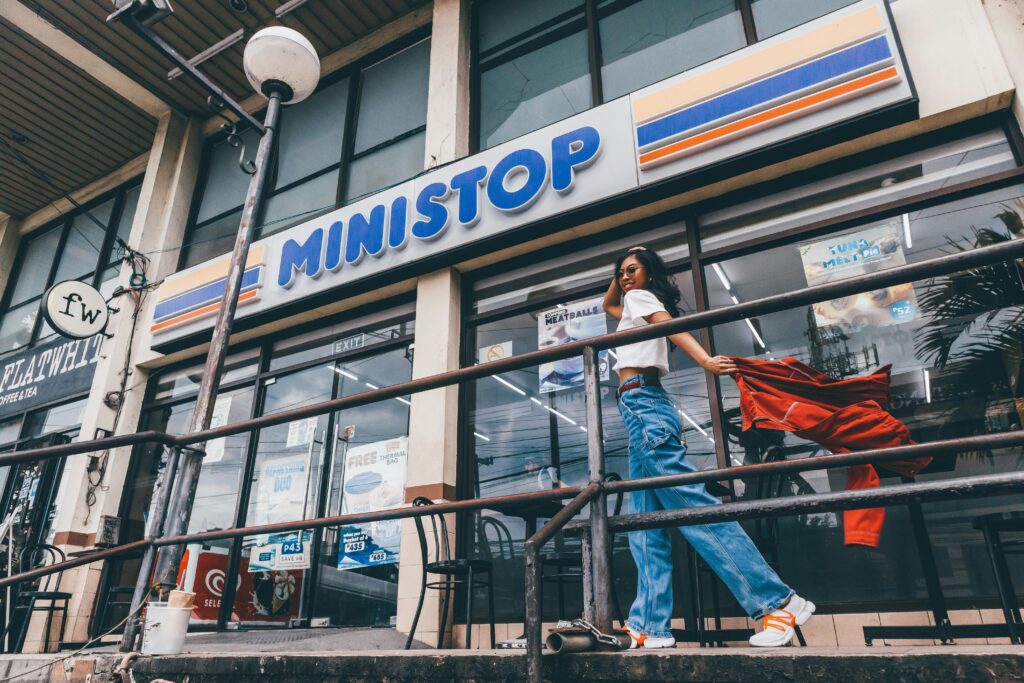
For returning OFWs or sari-sari store owners ready to scale up, franchising offers a faster and safer path. Instead of building systems from scratch, you plug into an established brand with supplier networks, store layout designs, training, and marketing support.
Well-known franchise options in the Philippines include Ministop, 7-Eleven Philippines, and Alfamart Philippines. These brands already understand Filipino buying habits, which significantly lowers your startup risk.
Capital requirements
Total investment typically ranges from ₱800,000 to ₱2.5 million, depending on location, store size, and inclusions.
Franchise fee and store setup
- Franchise fee: ₱300,000–₱1,000,000 (brand usage, training, operating manuals)
- Store renovation: ₱200,000–₱500,000 (shelving, signage, flooring, lighting)
- Coolers and freezers: ₱150,000–₱300,000
- POS system and CCTV: ₱80,000–₱150,000
Some franchisors offer turnkey packages, meaning the store is ready to operate within 30–45 days.
Equipment essentials
- Display shelving: ₱100,000–₱200,000
- Refrigeration units: ₱120,000–₱250,000
- POS with barcode scanner: ₱30,000–₱60,000
- Security cameras (4–8 units): ₱20,000–₱40,000
Initial inventory
Fast-moving consumer goods (FMCG):
- Beverages: ₱80,000–₱120,000
- Snacks and noodles: ₱60,000–₱100,000
- Personal care items: ₱40,000–₱70,000
- Household essentials: ₱30,000–₱50,000
Total initial stock: ₱250,000–₱400,000
Permits and legal requirements
Even with franchise support, you must secure local permits.
Standard business permits
- DTI registration
- Barangay clearance
- Mayor’s business permit
- BIR registration
Additional requirements
- FDA license to operate (for medicines or health products)
- Fire safety inspection certificate
- Sanitary permit
Most franchisors provide documentation templates and step-by-step guidance.
Location strategy
Foot traffic determines most of your success. A strong location can compensate for average marketing, but a weak location is difficult to fix.
High-demand areas
- Residential areas (500+ households within 500 metres)
- Near schools (strong snack and merienda sales)
- Tricycle or jeepney terminals
- Near churches or community centres
Ideal store size
- 20–50 sqm total space
- 2–3 customer aisles
- 5–10 sqm storage area
- Rent: ₱15,000–₱40,000 per month (location dependent)
For example, an OFW in Cavite opened a 30 sqm store near a school and tricycle terminal. Morning school traffic and afternoon driver purchases created steady daily cash flow.
Product sourcing and logistics
One major advantage of franchising is access to established supplier networks. Most franchisors have accredited distributors and central warehouses that supply inventory on a fixed schedule.
Centralised purchasing
Large franchise brands negotiate bulk pricing with manufacturers. As a franchisee, you benefit from lower wholesale costs and consistent supply of top-selling products.
Delivery schedules
- Weekly deliveries for fast-moving goods
- Bi-weekly or monthly deliveries for slower items
- Special seasonal deliveries during peak months (Christmas, back-to-school)
Cold chain management
For frozen goods, ice cream, and dairy, proper refrigeration during delivery is critical. Ensure delivery trucks are temperature-controlled and inspect products upon arrival to avoid spoilage losses.
Managing stock levels
Use POS sales reports to track fast-moving and slow-moving items. Avoid over-ordering. Strong logistics management protects cash flow and prevents expired inventory.
Inventory management
Franchisors usually recommend product mix and restocking schedules based on store size and location.
Fast-moving goods
- Soft drinks and energy drinks
- Instant noodles and biscuits
- Cigarettes and candy
Medium-turnover items
- Shampoo and soap
- Canned goods
- Coffee and powdered drinks
- Batteries and light bulbs
Avoid stocking more than two weeks’ supply of slow-moving items to prevent cash flow problems.
Pricing strategy
Most franchises follow suggested retail price (SRP) guidelines.
- 15–25% markup on essentials
- 30–50% markup on snacks and impulse items
Boost sales with bundles
- Merienda combo (biscuit + juice discount)
- Family pack bundles
- Buy-2 promotions
Franchise brands often run nationwide promotions that drive traffic without extra advertising cost.
Daily operations
Opening routine
- Check previous day’s sales report
- Refill shelves
- Clean store and coolers
- Prepare ₱5,000 cash float
Peak hours
- School dismissal
- Workers heading home
- Quick processing of e-load and bill payments
Closing routine
- Inventory spot check
- Cash reconciliation
- Secure premises and review CCTV
Increase profit with add-on services
Retail margins alone are modest. Extra services significantly increase profitability.
- Bill payments: ₱15–₱30 per transaction
- E-load sales: ₱1–₱2 commission per load
- Remittance services: ₱50–₱100 per transaction
- Photocopying: ₱2–₱5 per page
These services can generate an additional ₱20,000–₱50,000 per month, depending on location and foot traffic.
Common challenges and practical solutions
Inventory spoilage: Use first-in, first-out (FIFO) rotation and monitor temperature daily.
Theft: Install CCTV, assign individual POS logins, and conduct weekly audits.
Slow months: Launch seasonal bundles and expand service offerings.
Staff reliability: Train backup staff and provide performance-based incentives.
Final thoughts
Franchising a mini-grocery or convenience store gives Filipino entrepreneurs, especially returning OFWs, a structured path to steady income. With the right location, disciplined inventory control, and added services, your store becomes more than a retail space.
It becomes the neighbourhood’s daily solution centre for snacks, bills, emergencies, and friendly conversations. Done right, every small transaction adds up to long-term financial stability and strong community presence.