- Filipinos willingly pay 5%–15% more at sari‑sari stores because the value they receive goes beyond price.
- Loyalty is driven by psychology, convenience, trust, and hyper‑local relationships.
- Sari‑sari stores match the daily cash flow and lifestyle of the Filipino household better than supermarkets.
- Understanding these loyalty drivers helps store owners strengthen their suki base and increase long‑term income.
Even with the rise of supermarkets, convenience chains, and delivery apps, the sari‑sari store remains the most resilient retail format in the Philippines. In 2026, it still accounts for more than 35% of FMCG (fast‑moving consumer goods) sales nationwide, according to Kantar research. Despite higher prices, customers continue to buy from their neighborhood tindahan—and they do so happily.
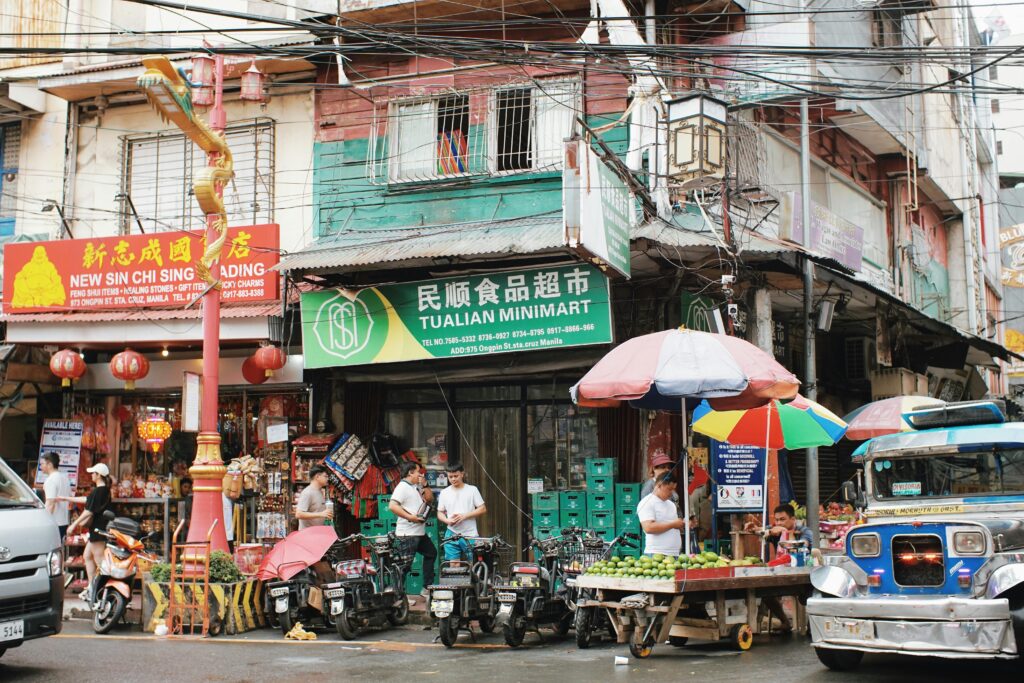
Why? Because sari‑sari stores don’t just sell products. They sell convenience, trust, community, and emotional comfort. Here are the seven reasons Filipino customers stay loyal even when prices are higher.
The power of tingi (micro‑purchasing)
Supermarkets push bulk buying—big bottles, family packs, and multi‑piece bundles. But many Filipino households operate on daily or even per‑meal budgets. Tingi solves this perfectly.
Why tingi matters
A customer may not have ₱250 for a full bottle of dishwashing liquid, but they almost always have ₱15 for a sachet. Tingi matches the daily cash flow of lower-paid workers, tricycle drivers, and parents managing tight budgets.
The loyalty effect
By breaking products into the smallest possible units, sari‑sari stores make premium brands accessible. Customers return because the store supports their “budget per day” lifestyle—something supermarkets cannot replicate.
Example: A mother buying shampoo for her kids before school can buy exactly two sachets—no excess, no waste, no overspending.
The liston (informal credit) system
Liston is one of the strongest loyalty drivers in Philippine retail. It’s a trust‑based credit system that only exists in neighborhood stores.
Why liston matters
When families run short before payday, the sari‑sari store becomes their emergency lifeline. They can “lista muna” and pay later—no interest, no paperwork, no judgment.
The loyalty effect
This creates a moral contract. Customers stay loyal not just because of convenience, but because the store helped them during gipit moments. Gratitude becomes long‑term loyalty.
Example: A regular customer who lists milk and rice during a tight week will almost always return to the same store even after payday.
Zero transaction costs (time and fare)
Going to the supermarket is not free. It costs time, energy, and transportation money.
Why convenience matters
A supermarket trip often requires a tricycle ride (₱30–₱50), long lines, and at least an hour of travel. If a customer only needs soy sauce or a pack of noodles, the savings from cheaper supermarket prices disappear.
The loyalty effect
The sari‑sari store is literally a few steps away. Customers save time, avoid fare costs, and get what they need instantly. The “higher price” becomes cheaper when you factor in total cost.
Example: A construction worker buying a cold drink during break will always choose the nearest store—not the cheapest one.
Personal connection and chika
In a digital world filled with automated messages and self‑checkout counters, the sari‑sari store remains deeply human.
Why connection matters
The store owner knows the customer’s name, their kids, their favorite brands, and even their usual utang schedule. This familiarity creates emotional comfort and belonging.
The loyalty effect
People prefer buying from someone they like and trust. A friendly “Kamusta na?” or a quick chika builds social capital that no supermarket can match.
Example: A customer may walk past a cheaper store just to buy from the tindera who remembers their usual order.
The pahingi or dagdag culture
Small gestures—unique to Filipino culture—create big loyalty.
Why dagdag matters
Store owners often give tiny freebies: a piece of candy, extra ice, or rounding down a ₱51 total to ₱50. These gestures feel personal and generous.
The loyalty effect
Customers feel they are getting a “special deal” that only suki receive. This sense of reciprocity keeps them coming back.
Example: A child who gets a free candy today becomes a loyal adult customer tomorrow.
Security and neighborhood watch
Sari‑sari stores play an important role in community safety—something often overlooked.
Why safety matters
A store that stays open late provides light, visibility, and activity on the street. This discourages petty crime and makes residents feel safer.
The loyalty effect
Customers support the store because it supports the community. If the store closes, the street becomes darker and less safe—so residents help keep it alive.
Example: Barangay tanods often coordinate with store owners because they observe the neighborhood daily.
Immediate cash‑in/cash‑out convenience
In 2026, sari‑sari stores have become mini financial hubs—serving as the neighborhood ATM.
Why digital services matter
Customers go to the store to cash‑in to GCash or Maya, pay bills, or load their phones. These services are faster and closer than going to a payment center.
The loyalty effect
Once customers are already at the window, they often buy snacks, drinks, or household items. The digital service becomes the hook that keeps them loyal—even if product prices are slightly higher.
Example: A customer cashing in ₱500 for online shopping will usually buy a soft drink or biscuit with the loose change.
Loyalty drivers summary table
| Loyalty Driver | Why It Works | Impact on Customer Behavior |
|---|---|---|
| Tingi | Matches daily budgets | Frequent small purchases |
| Liston | Emergency credit | Long-term suki loyalty |
| Zero Travel Cost | Saves time and fare | Daily repeat visits |
| Personal Connection | Human warmth | Emotional loyalty |
Conclusion
Sari‑sari stores thrive not because they are the cheapest, but because they are the most human, most accessible, and most culturally aligned retail format in the Philippines. Customers stay loyal because the store fits their lifestyle, supports them during hard times, and makes everyday purchases easier.
For store owners, the lesson is clear: focus on relationships, convenience, and community value—not just pricing. When you strengthen these seven loyalty drivers, your suki base will grow and stay with you for years.
The sari‑sari store isn’t just a business. It’s a community anchor—and that’s why it will always survive.