In the Philippines, bread is more than just food; it is a cultural staple. Whether it’s the warm pandesal paired with coffee at 5:00 AM or the merienda favorite Spanish bread enjoyed in the afternoon, Filipinos will always find a reason to visit their local bakery.
This constant demand makes the bakery business one of the most stable and recession-proof ventures in the country. Even when the economy is tough, people will still buy bread because it is an affordable alternative to rice. For many OFWs, a bakery is the “dream business” because it provides daily cash flow and can be managed by family members back home.
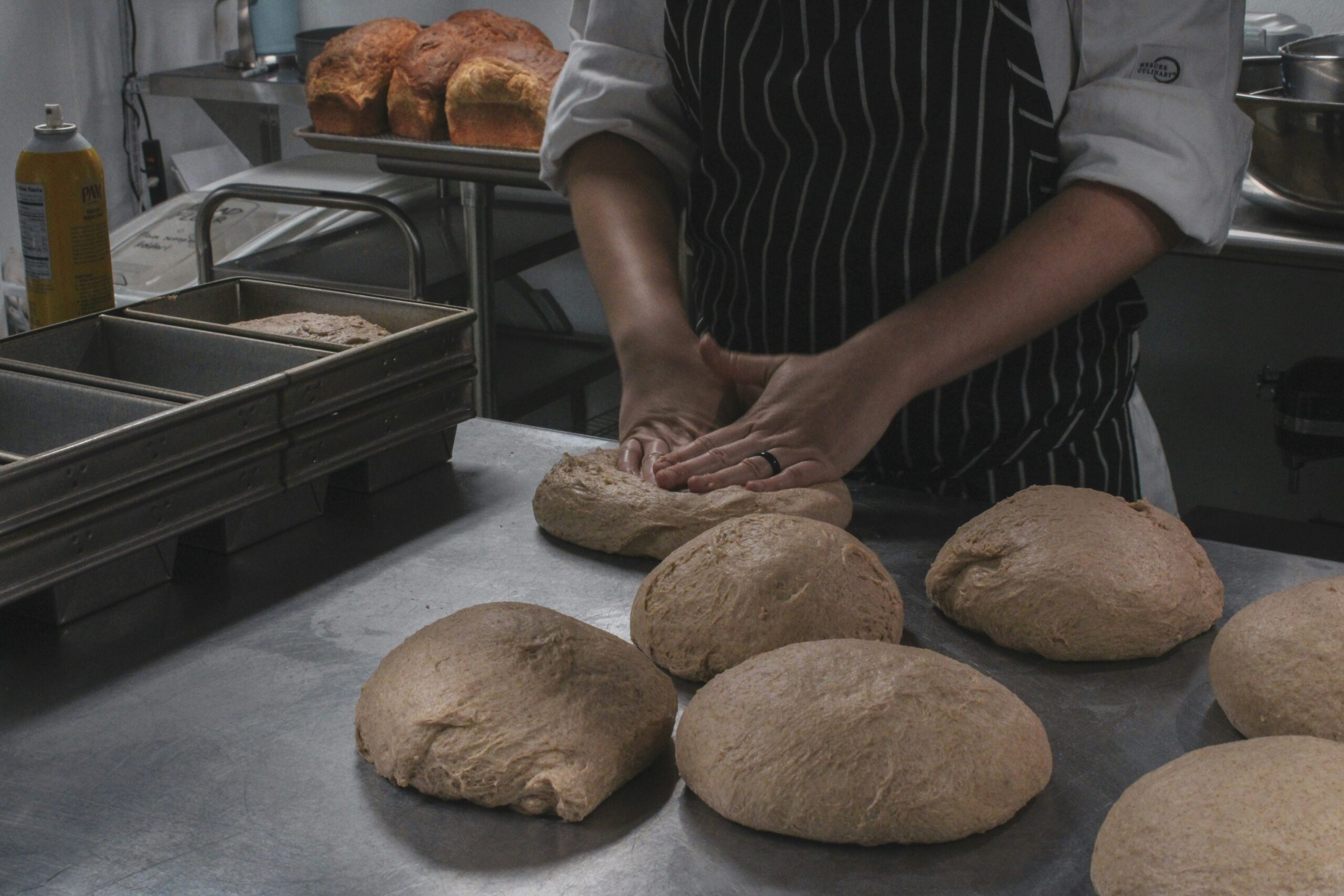
Is a Bakery Business Right for You?
Before you buy your first sack of flour, you need to assess if this lifestyle suits you. Running a bakery is rewarding, but it is physically demanding.
Skills and mindset needed
You don’t necessarily need to be a Master Pastry Chef to start. Many successful owners are “business-minded” rather than “baking-minded.” However, you must have a basic understanding of the process to ensure your staff isn’t wasting ingredients.
The most important factor is the early morning discipline. Bakery operations usually start at 2:00 AM or 3:00 AM so that the first batch of pandesal is hot and ready by dawn. If you aren’t a morning person, you’ll need a very reliable head baker.
Who this business is ideal for
- OFWs: Investing for family income back home.
- Couples: Ideal for those transitioning from corporate jobs to entrepreneurship.
- High-Traffic Locations: Owners of property near tricycle terminals, public schools, or markets.
Types of Bakery Businesses in the Philippines
Neighborhood bakery (Pandesal + Tinapay)
This is the classic “corner bakery” found in most barangays. It focuses on high-volume, low-margin items like monay and Spanish bread. Best for residential areas with high foot traffic.
Specialty bakery
These shops focus on premium items like customized cakes, artisanal sourdough, or high-end pastries. Best for malls or commercial districts like BGC or Makati.
Home-based bakery
Many Filipinos start in their own kitchens using social media. Ideal for made-to-order items like birthday cakes or trendy cookies. Low overhead as you aren’t paying for a separate storefront.
Franchise bakery
Leveraging an established brand name to attract customers instantly. These come with proven systems but require higher initial fees.
Examples: Julie’s Bakeshop, Gardenia (Distributorship), The French Baker, or Balai Pandesal.
| Brand | Estimated Capital | Type |
| Julie’s Bakeshop | ₱1.4M – ₱2.3M | Full-Service Bakery |
| Balai Pandesal | ₱700,000 – ₱1M+ | Community Store / Kiosk |
| Gardenia | Varies (Inquire) | Distributorship (Logistics) |
| The French Baker | High (Custom) | Mall/Premium Cafe |
Capital Requirements (2026 Estimates)
Starting a business requires a clear financial roadmap. Here is a breakdown of what to prepare based on 2026 market prices.
| Bakery Type | Estimated Capital | Target Market |
|---|---|---|
| Home-Based | ₱20,000 – ₱80,000 | Friends, Family, Online Followers |
| Neighborhood | ₱150,000 – ₱500,000 | Barangays, Commuters, Local Residents |
| Franchise | ₱300,000 – ₱1.5M+ | Brand-conscious buyers |
| Specialty/Cafe | ₱500,000 – ₱2M+ | High-income earners, Malls |
Essential Bakery Equipment List
Investing in the right tools prevents “downtime” where you can’t bake because a machine broke.
Essential tools
- Dough Mixer: A heavy-duty spiral mixer for large batches.
- Oven: Gas Deck Ovens are usually preferred for lower operating costs.
- Proofing Cabinet: To help dough rise properly.
- Stainless Steel Tables: For hygienic kneading and shaping.
- Weighing Scale: Crucial for portion control.
Menu Planning and Pricing Strategy
Don’t just guess your prices. Use the Food Cost Formula to stay profitable.
Formula: Total Ingredient Cost / Number of Pieces Produced = Food Cost per piece.
Sample Costing Table
| Product | Est. Cost/Piece | Suggested Retail Price (SRP) | Profit Margin |
|---|---|---|---|
| Pandesal | ₱1.80 | ₱3.00 – ₱4.00 | 40% – 55% |
| Spanish Bread | ₱4.50 | ₱8.00 – ₱10.00 | 44% – 55% |
| Ensaymada (Special) | ₱12.00 | ₱25.00 – ₱35.00 | 52% – 65% |
Permits and Legal Requirements
Being legal protects your investment. Here are the steps to register your bakery:
- DTI Registration: Secure your business name.
- Barangay Clearance: Permission to operate in your local area.
- Mayor’s Permit: Your primary license from the City/Municipal hall.
- BIR Registration: For official receipts and tax compliance.
- Sanitary Permit: Required for all food establishments to ensure cleanliness.
Common Challenges & Solutions
- High Ingredient Costs: Buy flour and sugar in bulk from wholesalers.
- Staff Turnover: Offer competitive salaries and SSS/PhilHealth benefits to keep your bakers happy.
- Leftover Bread: Repurpose unsold bread into pudding or biscocho (toasted bread).
Sample Monthly Financial Projection
Based on a medium-scale neighborhood bakery:
- Monthly Sales: ₱120,000
- Ingredients (40%): (₱48,000)
- Labor (2 staff): (₱25,000)
- Rent & Utilities: (₱15,000)
- Net Profit: ₱32,000 per month
Conclusion
Starting a bakery in the Philippines is a journey of patience and hard work. It provides a steady, honest income that feeds your family and your community. Start small, focus on consistent quality, and you will see your suki list grow every day.
FAQ: Starting and Managing a Bakery Business in the Philippines
1. Is a bakery business profitable?
Yes. Bakeries are profitable because bread is a daily staple. Profitability depends on location, product quality, pricing, and efficient production. Many small bakeries earn steady daily income from pandesal, monay, and other fast-moving items.
2. How much capital do I need to start a bakery?
Startup capital ranges from ₱150,000–₱500,000 for a small neighborhood bakery. Costs include equipment, initial ingredients, permits, and basic renovations. Larger bakeries require higher investment for bigger ovens and mixers.
3. What equipment do I need for a bakery?
Essential equipment includes an oven, dough mixer, proofing cabinet, working tables, trays, pans, weighing scale, and display shelves. Optional tools include bread slicers and dough dividers for higher production.
4. What are the best-selling bakery products?
Top sellers include pandesal, monay, Spanish bread, ensaymada, cheese bread, loaf bread, and specialty pastries. Offering affordable combos and fresh morning batches increases sales.
5. How do I price bakery products?
Compute total ingredient cost, add labor and overhead, then apply a markup of 30–50% depending on competition and location. Consistent portioning helps maintain stable pricing and profit margins.
6. What permits are required to open a bakery?
You need a Barangay Clearance, DTI Business Name Registration, Mayor’s Permit, BIR Certificate of Registration, and a Sanitary Permit. Food handlers must also secure Health Certificates.
7. How can I ensure consistent bread quality?
Use standardized recipes, measure ingredients accurately, maintain proper proofing times, and train staff on baking procedures. Regular equipment maintenance also affects product consistency.
8. How do I attract customers to my bakery?
Offer fresh morning batches, maintain cleanliness, provide affordable bundles, and promote your products on Facebook. Free samples and loyalty cards also help build repeat customers.