- Barangay Clearance and Mayor’s Permit are the two essential local licenses every business must secure before operating.
- Many LGUs now use digital Business One-Stop Shops (BOSS) to simplify the process.
- Requirements are similar nationwide, but fees and timelines vary per city.
- Understanding zoning, inspections, and deadlines prevents costly delays and penalties.
Whether you’re starting a sari-sari store, carinderia, freelancing studio, or small online business with a physical address, you need two local permits: the Barangay Business Clearance and the Mayor’s Permit. These documents prove that your business is legitimate, safe, and compliant with local regulations.
More cities are adopting digital systems to make the process faster. Quezon City, for example, operates a fully digital Business One-Stop Shop (BOSS), allowing business owners to apply, renew, and amend permits online.
Manila, Pasig, and Cebu are also expanding their online portals. However, according to an Inquirer report, only 19 out of 1,637 LGUs nationwide are fully compliant with the national eBOSS mandate, even though 630 LGUs claim partial automation.
This guide breaks down the process into simple steps, with realistic examples and updated insights.
The hierarchy of local permits
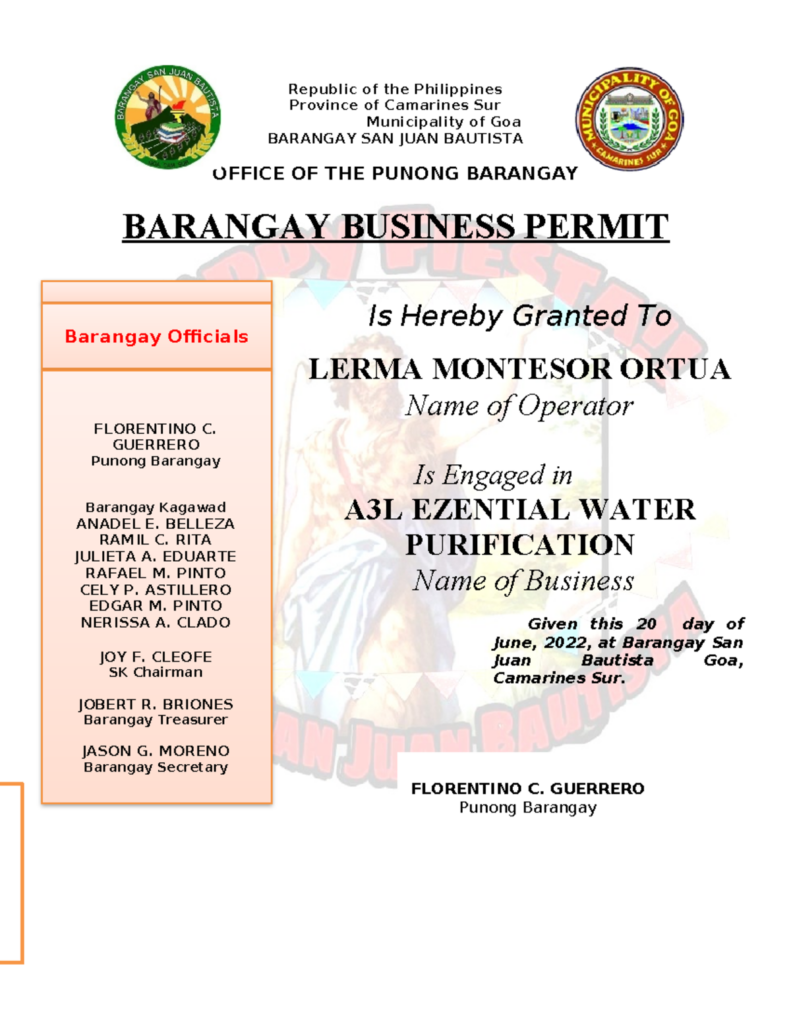
The Barangay Business Clearance
This is your community-level approval. It confirms that:
- Your business is known to the Barangay.
- Your operations do not disturb peace and order.
- Your location is legitimate and acceptable to the community.
Think of it as the Barangay saying: “We know this business, and we have no objection to its operation.”
The Mayor’s Permit (Business Permit)
This is the city-level license issued by the Business Permits and Licensing Office (BPLO). It confirms that your business passed:
- Health and sanitation standards
- Fire safety requirements
- Zoning regulations
- Local tax assessments
Without a Mayor’s Permit, your business is considered unregistered and may be fined or shut down.
The rise of the One-Stop Shop (BOSS)
Many LGUs now operate a Business One-Stop Shop (BOSS), where you can process both Barangay and City permits in one location. Quezon City’s BOSS, for example, allows digital submissions and kiosk-assisted processing (Quezon City Government). Other LGUs listed in the national eBOSS Directory include Antipolo, Bacolod, Baguio, and Batangas City.
While not all LGUs are fully digital yet, the trend is clear: faster, simpler, and more transparent business permitting.
Requirements and eligibility
Before heading to the Barangay or City Hall, prepare these foundational documents:
Proof of business name registration
- DTI Certificate for sole proprietors
- SEC Registration for partnerships and corporations
Proof of address
- If renting: Notarized Contract of Lease
- If owned: TCT (Transfer Certificate of Title) or Tax Declaration
Two valid government IDs
Examples: UMID, Driver’s License, Passport, PhilID.
Community Tax Certificate (Cedula)
Can be obtained at the Barangay or City Treasurer’s Office. Required for both Barangay and Mayor’s Permit applications.
Sketch or map of business location
A simple hand-drawn map is acceptable. This helps inspectors locate your business easily.
Step-by-step process
Step 1: Secure the Barangay Business Clearance
Visit the Barangay Hall with jurisdiction over your business address. Bring your DTI/SEC documents, proof of address, and valid IDs.
Submit requirements to the Barangay Secretary or Business Permit desk.
Assessment and payment: Fees typically range from ₱200 to ₱1,000, depending on business type and Barangay policies.
Issuance: Most Barangays release the clearance within 15–30 minutes. Some may require a brief site inspection.
Real-life example:
A tricycle driver in Cavite opening a small vulcanizing shop received his Barangay Clearance in under 20 minutes because he brought complete documents and a clear location sketch.
Step 2: Apply for the Mayor’s Permit
Proceed to the Business Permits and Licensing Office (BPLO) at City Hall. In cities with BOSS, you may complete everything in one area.
Submit your documents
- Barangay Business Clearance
- DTI/SEC Registration
- Proof of Address
- Valid IDs
- Cedula
Zoning and inspection clearances
You may be directed to sub-offices for:
- Zoning Clearance – Ensures your business type is allowed in the area.
- Sanitary Permit – Required for food, wellness, and health-related businesses.
- Fire Safety Inspection Certificate (FSIC) – Issued by the Bureau of Fire Protection.
Some LGUs conduct joint inspections to speed up the process.
Payment of local business tax
For new businesses, tax is based on declared capital. For renewals, it is based on gross sales from the previous year.
Release of permit
Once approved, you will receive:
- Mayor’s Permit
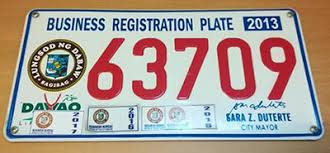
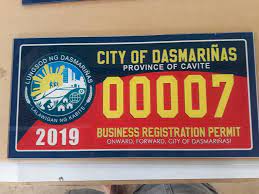
- Business Plate or Sticker (display at your storefront)
Estimated fees and timeline (2026)
| Permit Type | Estimated Fee | Processing Time |
|---|---|---|
| Barangay Business Clearance | ₱200 – ₱1,000 | 15 minutes – 1 hour |
| Mayor’s Permit | ₱2,000 – ₱20,000+ | 1–2 weeks (faster in digital LGUs) |
LGUs with strong digital systems—like Quezon City, Manila, and Pasig—often process renewals in under a week. Fully compliant eBOSS cities can process permits in 20 minutes to 1 hour, according to ARTA.
Common challenges and solutions
Residential vs. commercial zoning
Problem: Opening a carinderia or shop in a strictly residential subdivision.
Solution: Always check with the Zoning Office before signing a lease. Some areas allow “home-based businesses” but restrict signage or foot traffic.
The January 20 deadline
Problem: Business permit renewals are due every January 20. Missing this deadline results in:
- 25% surcharge
- 2% monthly interest
Solution: Start renewal in the first week of January. Many LGUs open BOSS centers as early as January 2.
Condo-based businesses
Problem: Barangays may refuse to issue clearance without a “No Objection” letter from the condo management.
Solution: Secure a Property Management Office (PMO) clearance before applying.
Incomplete documents
Problem: Applicants often forget their lease contract or IDs.
Solution: Use this checklist:
- DTI/SEC Registration
- Lease Contract or Proof of Ownership
- Two Valid IDs
- Cedula
- Location Sketch
Conclusion and action plan
Getting your Barangay Clearance and Mayor’s Permit is a straightforward process once you understand the hierarchy, requirements, and steps. Think of it this way:
- DTI/SEC = Your business name
- Barangay Clearance = Community approval
- Mayor’s Permit = Legal permission to operate
You cannot operate legally without all three.
Here’s your simple action plan:
- Prepare your DTI/SEC documents and proof of address.
- Visit your Barangay Hall to secure your clearance.
- Proceed to City Hall or your LGU’s BOSS center for your Mayor’s Permit.
- Check your city’s official website—many LGUs now allow online submissions.
With more LGUs adopting digital systems, starting a business in the Philippines is becoming faster and more convenient. Take advantage of these improvements and register your business the right way.