-
- Hospitals create their own “micro‑economy,” driven by patients, watchers, and healthcare workers with urgent, repetitive needs.
- Businesses near medical facilities thrive when they offer speed, cleanliness, and convenience — not luxury.
- Consumer habits show strong demand for food, comfort services, and medical‑adjacent essentials.
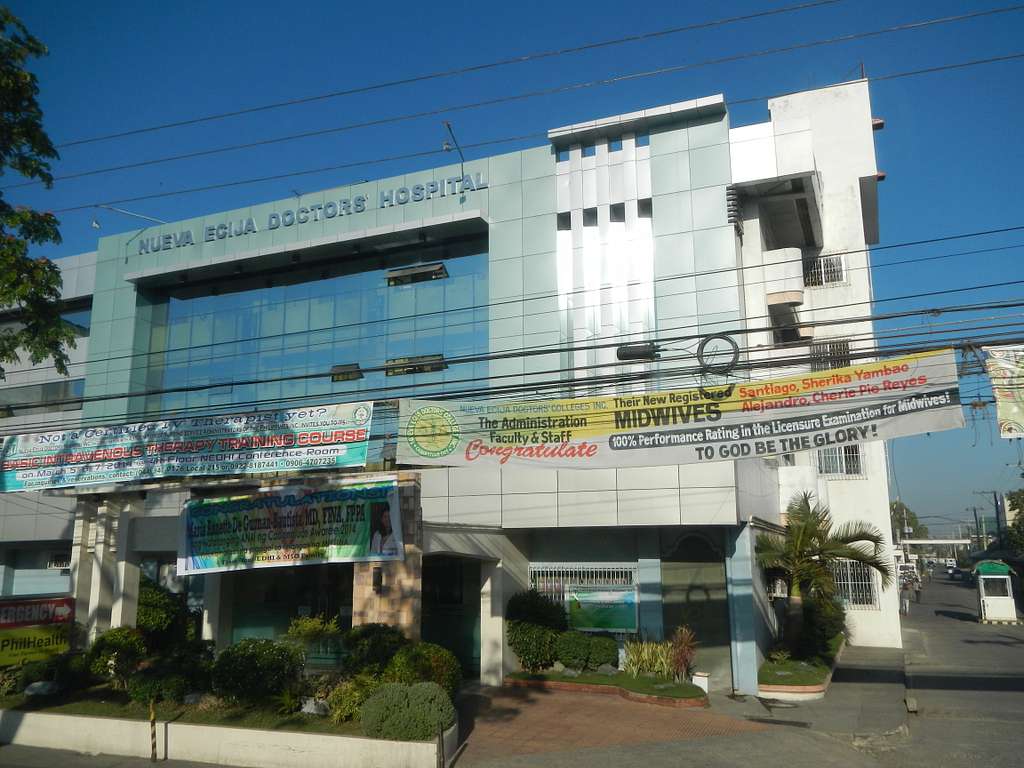
Hospitals and clinics in the Philippines operate 24/7 — and so do the needs of the people around them. Areas surrounding medical facilities have become unique “micro‑economies” serving three groups:
- Patients and watchers who need comfort, food, and convenience
- Healthcare workers who need fast, reliable meals and services
- Outpatients who need pharmacy items, diagnostics, and supplies
Healthy-ish carinderia or congee shop
Standard street food is often too oily for patients or tired doctors. A clean, well‑lit eatery offering lugaw, arroz caldo, batchoy, sotanghon, and balanced rice meals is always in demand.
What you need to prepare
- Food Handler’s Certificate
- Sanitary Permit
- Barangay and Mayor’s Permit
- Clean stainless prep tables and proper food storage
- Visible QR Ph (GCash/Maya)
Best suited for
Hands‑on owners who can manage early‑morning prep, maintain cleanliness, and handle high‑pressure lunch rushes. Ideal for former cooks, carinderia owners, or former OFWs with food service experience.
Approximate startup cost
- ₱80,000 – ₱250,000 for a small eatery
- ₱300,000 – ₱600,000 for a dine‑in lugawan with seating
Challenges
Hospitals enforce strict sanitation expectations. A single “malinis ba ’yan?” complaint can kill your reputation. Also, healthcare workers have only 30‑minute breaks — slow service means lost customers.
Pro tip
Offer “Watcher’s Value Meals” — heavy-duty bento boxes for relatives staying overnight. Add Viber pre‑orders for nurses and doctors.
Premium fruit and “get well” gift kiosk
Filipinos never visit a patient empty‑handed. Fruit baskets, care kits, and small gifts sell extremely well near hospitals.
What you need to prepare
- DTI/SEC registration
- Mayor’s Permit
- Supplier contracts with fruit wholesalers
- Attractive packaging materials
Best suited for
Creative entrepreneurs who enjoy arranging baskets, curating care kits, and dealing with walk‑in customers.
Approximate startup cost
- ₱40,000 – ₱120,000 for a kiosk‑style setup
- ₱150,000 – ₱250,000 for a full gift shop
Challenges
Fruit is perishable. Poor inventory rotation leads to spoilage. Presentation must always look fresh and premium.
Pro tip
Add a “Health Tech Corner” selling power banks, long charging cables, and earphones — items watchers always need.
Specialized convenience pharmacy
Even with Mercury Drug or Watsons nearby, niche pharmacies thrive by stocking items big chains often run out of.
What you need to prepare
- FDA License to Operate (LTO)
- Pharmacist or pharmacy assistant
- Proper storage for medical supplies
- Delivery partnerships (Grab, Lalamove)
Best suited for
Detail‑oriented owners comfortable with inventory management and compliance. Ideal for former caregivers, nurses, or medical supply sellers.
Approximate startup cost
- ₱250,000 – ₱600,000 for a small pharmacy
- ₱700,000 – ₱1.2M for a full medical supply store
Challenges
Strict regulations and documentation. Also, you must avoid competing directly with big chains — instead, focus on adult diapers, underpads, colostomy bags, and home‑care supplies.
Pro tip
Offer same‑day delivery for elderly patients who cannot travel for recurring prescriptions.
Self‑service laundry and quick shower hub
Hospital watchers often stay for days without proper rest. A 24/7 laundry and shower hub solves a real pain point.
What you need to prepare
- Commercial washers and dryers
- Water heater for showers
- CCTV and secure lockers
- 24/7 lighting and ventilation
Best suited for
Owners who prefer low‑interaction, semi‑automated businesses. Great for OFWs wanting a hands‑off income stream.
Approximate startup cost
- ₱350,000 – ₱800,000 for a small laundromat
- ₱500,000 – ₱1M with shower facilities
Challenges
High electricity and water costs. Machines require regular maintenance. Cleanliness must be impeccable — watchers judge hygiene harshly.
Pro tip
Add free Wi‑Fi and a “Safe Locker” service so watchers can store their bags while attending to patients.
Low‑cost transient lodging (dormitel)
In provincial hospitals, relatives often travel from far‑flung towns and have nowhere to sleep. A dormitel solves this problem.
What you need to prepare
- Business permit + occupancy permit
- Basic bunk beds and mattresses
- CCTV and secure entry
- Clean CR and shower facilities
Best suited for
Owners who can manage a high‑turnover, hospitality‑style business. Works well for families with extra property near hospitals.
Approximate startup cost
- ₱500,000 – ₱1.5M depending on room count
- ₱2M+ for multi‑room dormitel conversions
Challenges
Noise control, sanitation, and security. You must maintain strict cleanliness or risk losing customers instantly.
Pro tip
Partner with hospital social workers to offer discounted “referral rates” for low‑income families.
Strategic comparison
| Business Type | Primary Customer | Key Success Factor |
|---|---|---|
| Congee/Lugaw Shop | Doctors, Nurses | Speed & Consistency |
| Fruit & Care Packages | Visiting Relatives | Presentation & Bundle Pricing |
| Laundry/Shower Hub | Overnight Watchers | Cleanliness & Security |
| Medical Supplies | Outpatients | Specialized Inventory |
Important diskarte tips
GCash/Maya is mandatory
Healthcare workers rarely carry cash while in scrubs. A visible QR Ph standee increases sales instantly.
The Viber Community hack
Join or create a Viber group for hospital staff. Post your daily menu or new stock at 10 AM — the perfect timing before lunch breaks.
Sanitation is marketing
Near a hospital, a dirty‑looking shop is a death sentence. Use white lighting, stainless counters, and clean aprons.
Check zoning rules
Some LGUs enforce “Quiet Zones” around hospitals. Avoid noisy exhaust fans, loud music, or smoke‑heavy cooking setups.
Conclusion
Hospitals and clinics create a steady, recession‑proof customer base — but only for businesses that understand their unique needs. Whether it’s feeding tired nurses, helping watchers stay comfortable, or supporting outpatients with medical supplies, the best businesses near hospitals are those built on speed, cleanliness, and empathy.
With the right concept, proper permits, and a strong commitment to service, you can build a business that thrives 24/7 — and becomes a trusted part of the hospital community.