- Native pigs are tougher and more disease-resistant than many commercial breeds, ideal for backyard conditions.
- You can start with 5–10 piglets using around ₱25,000–₱50,000 in a simple elevated housing system.
- Harvest is usually at 6–8 months with 70–80% survival rates when basic health practices are followed.
- Demand for native lechon and “organic-style” pork is growing in local markets and restaurants.
Native pig farming is quietly becoming a strong income source for many rural and peri-urban families. Unlike commercial white hogs that demand expensive feeds and strict housing, native pigs can thrive on local feed resources, simple pens, and backyard management.
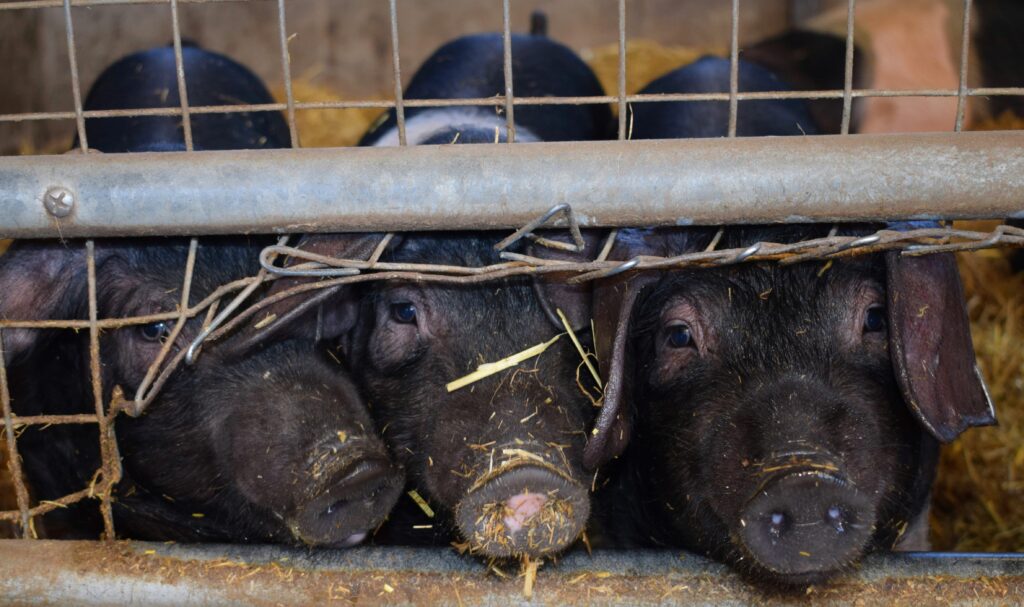
Research on native pig raisers in different regions of the Philippines shows that almost all production is done by backyard farmers, highlighting its suitability for small-scale operations.
For OFWs, teachers, tricycle drivers, and sari-sari store owners with idle land, native pigs offer a way to turn small spaces into steady cash flow. You do not need a big commercial farm—just a well-planned pen, healthy piglets, and a consistent feeding and health routine.
Why native pig farming beats commercial breeds for smallholders
Commercial hog breeds grow fast, but they are sensitive to heat, diseases, and poor housing. They also rely heavily on imported commercial feeds, which can be expensive and volatile in price. Native pigs, on the other hand, are adapted to local conditions and can eat a wider range of feeds, including kitchen scraps and forages.
Key reasons native pigs are better for small backyard farms:
- They tolerate heat and fluctuating weather better than many commercial breeds.
- They can utilize local feed resources such as kangkong, ipil-ipil, and kitchen leftovers.
- They are generally more resistant to common diseases and stress.
- Consumers increasingly prefer native pork for lechon, grilled dishes, and traditional recipes.
Government programs on backyard livestock and hog repopulation also recognize the role of native pigs in rebuilding smallholder incomes after disease outbreaks like African Swine Fever (ASF).
Understanding native pig breeds and their advantages
Philippine native pigs are usually black or black-and-white, with smaller bodies and slower growth than commercial breeds. Many farmers also use crosses between native pigs and breeds like Duroc or Landrace to combine hardiness with better growth.
Common types raised by smallholders include:
- Pure native black pigs.
- Native x Duroc crosses.
- Native x Landrace crosses.
Advantages of native pigs for backyard raisers:
- Survival rates of around 70–90% are common in small farms when basic care is followed, higher than many commercial setups under the same conditions.
- Meat is leaner and more flavorful, preferred for lechon, adobo, and grilled dishes.
- Feed costs are lower because up to half of the diet can come from alternative feeds like forages and kitchen scraps.
- Growth timeline is about 6–8 months to reach 60–80 kg liveweight—slower than commercial hogs but often more profitable per kilo due to premium pricing.
Studies on native pig raisers show that most use mixed feeding systems (commercial feeds plus local resources), which significantly reduces cash outlay while maintaining acceptable growth and survival.
Planning your backyard piggery setup
Before buying piglets, plan where and how you will house them. Good housing does not need to be expensive, but it must be clean, dry, and well-ventilated.
Basic planning points:
- Space requirement – Around 6–10 square meters per pig is comfortable for native pigs. A typical backyard can handle 5–8 heads without crowding.
- Location – Place the piggery at least 10–15 meters away from houses to reduce odor and noise issues. Ensure it is near a water source for easy cleaning and watering.
- Drainage – Choose a slightly elevated area or provide proper drainage to avoid stagnant water and mud.
Startup cost guide for 5–10 native piglets
You can start a small native pig project with around ₱25,000–₱50,000, depending on housing materials and feed strategy.
| Item | Estimated Cost | Notes |
|---|---|---|
| Piglets (5 heads @ ~₱2,500) | ₱12,500 | Healthy, vaccinated native or native-cross piglets |
| Housing materials | ₱8,000–₱12,000 | Bamboo, wood, GI sheets, wire mesh |
| Feeds (first 2 months) | ₱3,000–₱5,000 | Starter feeds plus kitchen scraps and forages |
| Vaccines and deworming | ~₱1,000 | Hog cholera vaccine, dewormer, vitamins |
| Tools and water system | ~₱1,500 | Buckets, hose, simple drinkers |
Monthly operating costs (feeds, supplements, water, electricity) can range from ₱5,000–₱8,000 depending on how much alternative feed you use.
Building your native pig housing step by step
A simple elevated pen works well for native pigs and makes cleaning easier.
Foundation
- Install four or more concrete posts about one meter high to elevate the floor.
- Elevation allows waste to fall through and reduces odor and disease risk.
Floor
- Use slatted bamboo or wooden flooring with 1.5–2 cm gaps.
- Ensure slats are strong enough to support the pigs and easy to clean.
Walls and ventilation
- Use half-open walls with bamboo or GI wire mesh to allow airflow.
- Provide solid lower walls to protect pigs from drafts and predators.
Roof
- Install a corrugated GI sheet roof with about 30% overhang to protect from sun and rain.
- Ensure the roof is high enough for good ventilation.
Partitions and water system
- Partition pens to separate growers, sows, and piglets if you plan to breed later.
- Use nipple drinkers or shallow troughs for clean water access.
Sourcing healthy native piglets
Your success starts with good-quality piglets. Avoid buying from unknown or unvaccinated sources.
Recommended sources:
- DA or LGU backyard livestock programs that sometimes provide subsidized piglets.
- Local 4H clubs and farmers’ cooperatives with established breeding lines.
- Municipal livestock technicians who can recommend trusted breeders.
Selection tips:
- Choose piglets that are active, with shiny skin and bright eyes.
- Ideal age is around 25–35 days, weighing about 7–10 kg.
- Ask for vaccination records, especially for hog cholera and other common diseases.
Feeding program for native pigs
One of the biggest advantages of native pigs is their ability to use local feeds. A mixed feeding program can significantly cut costs.
Growth stage feeding guide
- Weaners (1–2 months) – Mostly commercial starter feeds, supplemented with soft kitchen scraps.
- Growers (3–5 months) – Around 70% commercial feeds and 30% forages such as kangkong, ipil-ipil leaves, and chopped banana trunks.
- Finishers (6–8 months) – Around 50% commercial feeds and 50% alternative feeds, depending on body condition.
Cost-saving feed options
- Azolla or duckweed grown in a small backyard pond can replace 20–30% of the diet.
- Kitchen scraps and leftover rice from your household and neighbors can be boiled and mixed with bran.
- Ipil-ipil and other leguminous trees provide protein-rich leaves that are drought-resistant.
Research on native pig raisers shows that many rely heavily on farm by-products and kitchen wastes, which lowers feed costs but still supports acceptable growth when combined with some commercial feeds.
Health management and disease prevention
Even though native pigs are tougher, you still need a basic health program to avoid losses.
Basic vaccination and deworming schedule
- Hog cholera vaccine at around 21 days old (or as advised by your vet or technician).
- Deworming every two months using recommended products.
- Anti-stress vitamins during transport, extreme heat, or after vaccination.
Simple biosecurity practices
- Provide a foot bath at the entrance of the piggery.
- Limit visitors and separate worker paths from pig areas.
- Avoid feeding swill from unknown outside sources to reduce disease risk.
Common threats include ASF, hog cholera, and respiratory diseases. While native pigs may show better resilience, prevention is still cheaper than treatment.
Breeding considerations for future expansion
If you plan to keep your own breeders, you can eventually reduce piglet purchase costs.
- One sow can produce 8–10 piglets per litter under good management.
- Gestation period is about 114 days (three months, three weeks, three days).
- Provide a farrowing pen of about 2 x 2.5 meters with a creep area for piglets.
- Wean piglets at around 30–35 days old and move them to grower pens.
Many backyard raisers start with growers and later shift to breeding once they are comfortable with daily management.
Harvesting and marketing your native pigs
Native pigs are usually sold at 60–80 kg liveweight, depending on buyer preference. Market prices vary by region and season, but native pork often commands a premium over commercial white hogs.
Typical price guide (illustrative)
- Liveweight: around ₱180–₱220 per kilo.
- Dressed (slaughtered): around ₱250–₱300 per kilo.
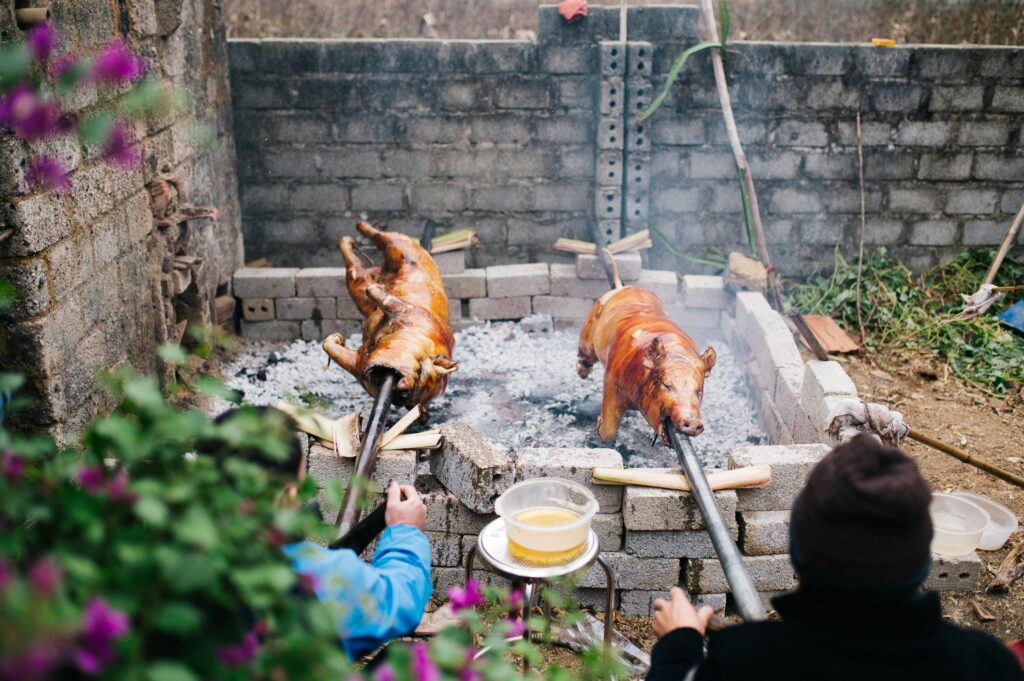
- Lechon: around ₱350–₱450 per kilo, especially for native lechon.
Common selling channels:
- Local wet markets and slaughterhouses.
- Lechon vendors and barbecue stalls.
- Restaurants specializing in native or “organic-style” dishes.
- Direct sales to neighbors for fiestas, birthdays, and holidays.
Sample profit calculation for five native pigs
Here is a simple example to visualize potential earnings.
| Item | Amount | Details |
|---|---|---|
| Total investment | ~₱35,000 | Piglets, housing share, feeds for about six months |
| Revenue | ~₱70,000 | 5 pigs x 70 kg x ₱200/kg liveweight (illustrative) |
| Net profit | ~₱35,000 | Roughly 100% ROI in about 8 months |
| Monthly income equivalent | ~₱4,375 | When spread over eight months |
Actual results will depend on feed costs, survival rate, and selling price, but this shows that even a small batch can match or exceed a side income from other small businesses.
Daily and weekly farm management routine
Native pig farming does not require full-time work, but it does require consistency.
Daily tasks (about 30 minutes)
- Morning feeding and water check.
- Observe pigs for signs of sickness, injury, or unusual behavior.
- Clean feeding troughs and remove leftover feed.
Weekly tasks
- Collect and compost manure for use in gardens or for sale.
- Check weight or body condition every two weeks.
- Review health schedule for deworming and vaccinations.
Government assistance and training opportunities
Several programs can support your native pig farming journey:
- DA barangay livestock programs – Sometimes provide free or subsidized piglets and feeds to organized groups.
- LGU livestock dispersal – Many municipalities offer two to three piglets per qualified family, with a “pass-on” scheme.
- 4H clubs and farmer groups – Offer training, peer support, and market linkages.
- TESDA hog raising courses – Provide free or low-cost training and certification in swine production.
Research and development projects on native pigs, supported by agencies like DOST-PCAARRD, are also improving breed information and management practices, which benefits smallholders in the long run.
Scaling from backyard to a bigger native pig enterprise
Once you master the basics with 5–10 pigs, you can gradually expand.
- Backyard level – 5–10 pigs, potential profit of around ₱30,000–₱50,000 per cycle.
- Semi-commercial level – 20–50 pigs, with higher profits but more labor and feed requirements.
- Contract growing or partnerships – 100 or more pigs with links to lechon houses, meat shops, or small dressing plants.
Value-added opportunities include making native pork tocino, longganisa, or offering butchering and processing services for neighbors during fiesta season.
Common beginner mistakes to avoid
Many first-time raisers lose money due to avoidable errors. Watch out for these:
- Buying piglets from unvaccinated or unknown sources.
- Overcrowding pens, which leads to stress and slower growth.
- Neglecting sanitation, causing high mortality and bad odor complaints.
- Selling pigs too early at low weight, reducing profit per head.
- Relying 100% on commercial feeds without using cheaper local alternatives.
Simple success timeline for a native pig batch
A typical cycle for grow-out native pigs looks like this:
- Months one to two – Build housing, buy piglets, start adaptation and early feeding.
- Months three to five – Rapid growth phase; adjust feed mix and monitor health closely.
- Months six to eight – Finishing period; prepare buyers and marketing channels.
- Month nine – Start a new batch using lessons learned from the first cycle.
Conclusion: Sustainable income from native pigs
Native pig farming offers Filipino families a realistic path to steady income using small spaces and manageable capital. The combination of disease tolerance, flexible feeding options, and growing consumer preference for native pork makes this a strong option for backyard entrepreneurs.
You do not need to be a full-time farmer to succeed. Start with three to five pigs, master daily routines, and build relationships with local buyers. As your confidence grows, you can scale up, add breeding, or develop value-added products.
With patience, consistency, and smart use of local resources, your backyard can quietly generate ₱50,000 or more every eight months—while providing your community with flavorful, proudly native pork.