Why registration is now mandatory
Online selling in the Philippines has exploded—from Shopee and Lazada to TikTok Shop and Facebook Marketplace. But with this growth comes tighter tax enforcement. As of 2024 and moving into 2026, registering with the BIR is no longer optional for online sellers. E-commerce platforms are now required by law to withhold taxes from unregistered sellers or those who exceed certain sales thresholds.
If you are running an online store, this guide explains everything you need to know: who must register, what documents you need, how to register, what taxes apply, and how to avoid penalties.
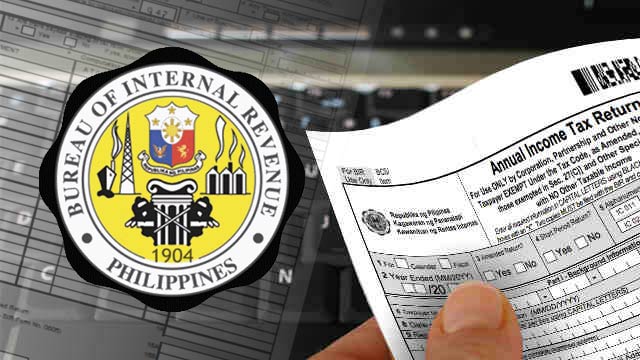
The big question: do I really need to register?
The short answer is yes. Under Revenue Regulations No. 16-2023, all online merchants must register with the BIR, regardless of income level, platform, or business size.
If you earn less than ₱500,000 per year
You are still required to register, but you may be exempt from the one percent withholding tax if you submit a notarized sworn declaration to your selling platform. This declaration states that your expected gross sales for the year will not exceed ₱500,000.
If you earn more than ₱500,000 per year
Platforms like Shopee, Lazada, and TikTok Shop will automatically withhold one percent of half of your gross remittances, which is effectively 0.5 percent of your total sales. This is not a penalty; it is a prepaid tax that you can deduct from your annual income tax due.
Why the BIR is strict now
- E-commerce is now a multi-billion-peso sector.
- The government wants fair taxation across physical and online businesses.
- Platforms are legally required to report seller earnings.
If you want to avoid withheld taxes, account freezes, or platform restrictions, registration is the safest path.
Requirements checklist
Before going to the BIR or applying online, prepare your core documents. Missing even one can delay your registration.
DTI business name certificate
For sole proprietors, register your trade name via the DTI BNRS website.
Valid government ID
Your ID must show your full name, birth date, and current address.
Proof of address
Any of the following can be used:
- Lease contract
- Barangay certificate of residence
- Homeowner’s certificate
- Utility bill under your name
Barangay business clearance
Obtain this from your barangay hall. Even home-based online sellers are usually required to secure this.
Mayor’s permit
Not always explicitly required by law, but most revenue district offices now ask for a mayor’s permit before issuing your certificate of registration.
TIN or taxpayer identification number
If you do not have a TIN yet, the BIR will issue one during the registration process.
The registration process
You can register physically at the BIR office or online through the ORUS portal.
Physical walk-in registration
- Visit your RDO – go to the BIR office that covers your home or business address.
- Fill out BIR Form 1901 – this is for self-employed individuals and sole proprietors.
- Pay the fees – pay the documentary stamp tax of ₱30. The annual registration fee of ₱500 has been abolished.
- Register your books – buy columnar books (journal and ledger) and have them stamped by the BIR.
- Apply for invoices – submit Form 1906 (authority to print) to get your official receipts or invoices.
Online registration via ORUS
- Create an account on the BIR ORUS portal.
- Upload scanned copies of your requirements.
- Submit Form 1901 digitally.
- Wait for your digital Form 2303 or certificate of registration.
- Follow instructions for e-invoicing or printing receipts.
This option is ideal for online sellers who want to avoid long queues and handle most of the process remotely.
Critical things to consider
The one percent withholding tax
The one percent withholding is not an extra loss. It is a tax credit. Platforms will issue BIR Form 2307, which you can use to deduct the withheld amount from your annual income tax due. Keep these forms organized, as they are important during tax filing.
BMBE exemption
If your total assets, excluding land, are under ₱3 million, you can apply for a Barangay Micro Business Enterprise or BMBE certificate. This can exempt you from paying income tax, although you still need to file your tax returns on schedule.
Filing obligations
Once you have a certificate of registration, you are in the system. Even if you have zero sales for a month, you must still file a nil return to avoid penalties. Failure to file can result in a ₱1,000 penalty per missed return, plus surcharge and interest.
Issuing invoices for every sale
You are legally required to issue an invoice or official receipt for every sale. Many new sellers use BIR-printed invoices purchased directly from the BIR to save on printing costs at the start. You can later shift to custom printed receipts once your business grows.
Pro tips for online sellers
Separate your bank accounts
Do not mix personal and business funds. Use a bank account under your registered trade name. This makes bookkeeping easier and protects you during audits or when applying for loans.
Submit your sworn declaration early
If you expect to earn less than ₱500,000 in a year, submit your notarized sworn declaration to platforms like Shopee or Lazada by January 20 of each year. This helps you avoid automatic one percent withholding on your sales.
Track your expenses carefully
You can deduct legitimate business expenses such as packaging, shipping fees, internet bills, phone bills, equipment, and marketplace fees. Good records reduce your taxable income and your final tax bill.
Keep digital copies of documents
Scan and store digital copies of receipts, invoices, BIR forms, and platform payout reports. Cloud storage protects you from lost documents and makes tax filing easier.
Learn basic bookkeeping
Even a simple spreadsheet can help you track sales, monitor expenses, and prepare for tax filing. Basic bookkeeping reduces stress and helps you spot trends in your business.
Frequently asked questions
Do I need to register if I only sell occasionally?
If you sell regularly or with the intent to earn profit, you are expected to register. One-time garage sale type activities are generally not treated as a business.
Do I need to register if I only sell on Facebook or Instagram?
Yes. The rules apply to all online selling platforms, not just Shopee, Lazada, or TikTok Shop.
What happens if I do not register?
You may face platform withholding, account restrictions, BIR penalties, and potential audits. Non-registration can also limit your ability to grow, since you cannot issue official receipts to corporate clients.
How much does registration usually cost?
Costs vary by locality, but you can expect approximate expenses such as barangay clearance, mayor’s permit, documentary stamp tax, and printing of receipts. These can range from a few hundred to a few thousand pesos in total.
Do I need an accountant?
An accountant is not required, but can be very helpful. Many small sellers manage their own books using spreadsheets, then consult an accountant during annual filing.
Can I register even if I am home-based?
Yes. Your home address can be used as your business address, as long as you secure the necessary barangay and, if required, mayor’s permits.
Do digital products also need registration?
Yes. Income from digital products such as e-books, courses, or digital files is still taxable and requires registration.
Conclusion: registration as a long-term investment
Registering with the BIR may feel intimidating, but it protects your online store from penalties, platform restrictions, and withheld earnings. It also opens doors to business loans, supplier accounts, corporate clients, and government support programs.
Think of registration as a long-term investment in your brand’s legitimacy and growth. When your business is properly registered and compliant, you are not just selling online—you are building a real, sustainable enterprise.