A carinderia is a small Filipino eatery serving affordable, ready-to-eat meals that fuel the daily routines of workers, students, commuters, and families. These neighborhood food stalls are deeply embedded in Filipino culture, offering home-style dishes at prices accessible to everyone.
As more Filipinos rely on outside food, however, the risk of foodborne illness increases when sanitation is neglected.
Recent food poisoning incidents in the Philippines show how a single contaminated meal can send entire communities to the hospital. In Guimaras, at least 238 students were hospitalized after eating spaghetti served during a school event.
In Agusan del Sur, 216 evacuees were rushed to hospitals after consuming food from a feeding program. Another incident in Cebu involved more than 200 students falling ill after eating spaghetti during a school celebration.
These cases demonstrate how one unsafe batch of food can harm dozens—or even hundreds—of people in a single day. This article provides a practical, evidence-based sanitation and food safety checklist that carinderia owners and staff can use to protect customers, avoid shutdowns, and build a reputation for clean, safe food.
Common sanitation and food safety problems in carinderias
Carinderias face recurring sanitation challenges that directly affect food safety, customer trust, and regulatory compliance. Many of these issues stem from everyday habits, environmental limitations, and lack of formal training.
Unlicensed or unpermitted carinderias
Many carinderias operate without sanitary permits or business licenses, meaning they are not regularly inspected by local health authorities. Without oversight, unsafe practices can persist unnoticed, increasing the risk of contamination.
Poor handwashing and personal hygiene
A significant number of food handlers fail to wash their hands properly, especially during peak hours when the pressure to serve quickly is high. Improper attire—such as not wearing aprons, hairnets, or gloves—also contributes to contamination.
Inadequate handwashing facilities and toilets
More than half of surveyed carinderias lack proper handwashing stations with running water, soap, and hygienic drying options. Some stalls are located near open canals, garbage piles, or dusty roads, making it difficult to maintain cleanliness.
Unsafe food display and storage
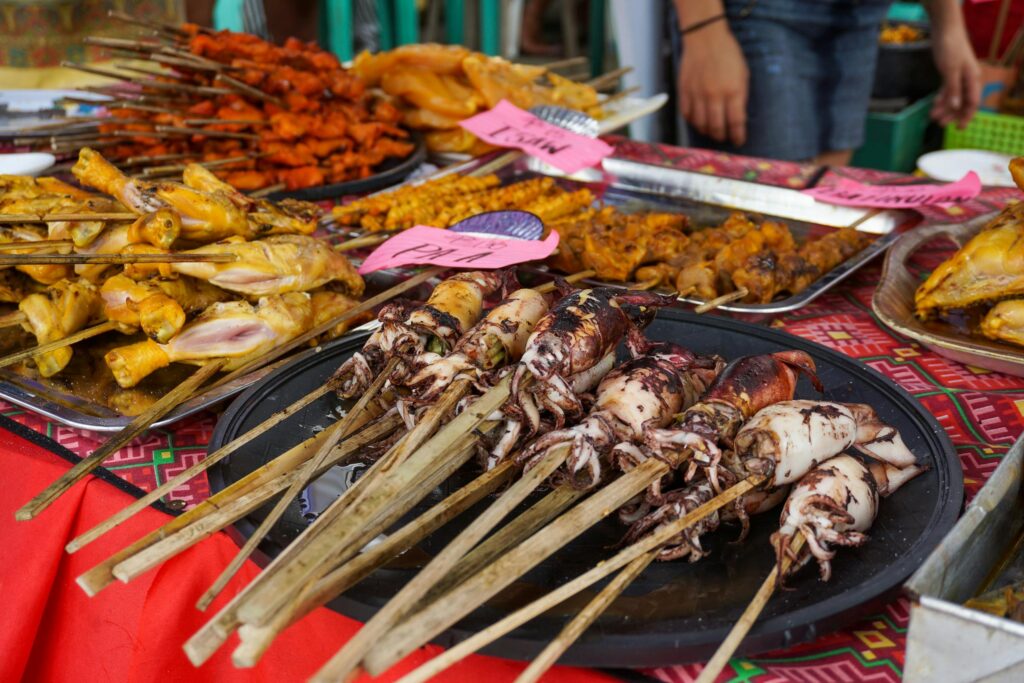
Open food displays remain common even though regulations discourage exposing cooked dishes to the environment. Improper storage—such as leaving food at room temperature for hours or mixing raw and cooked items—creates ideal conditions for bacterial growth.
Temperature abuse and cross-contamination
Many carinderias struggle to maintain safe temperatures because of limited equipment like refrigerators or steam tables. Cross-contamination also occurs when the same chopping board or knife is used for raw chicken and cooked dishes.
Infrastructure and environmental issues
Some carinderias operate in areas with unreliable access to potable water, making proper washing and sanitizing difficult. Even if the stall itself looks clean, the surrounding environment can introduce dust, pests, and pathogens.
Why these problems happen: root causes
Limited budget and small margins
Carinderias operate on thin profit margins, making it difficult for owners to invest in stainless work tables, proper refrigeration, or pest control. Compliance costs are often seen as burdens rather than investments in safety.
Lack of food safety training
Many food handlers have never attended a formal food safety seminar and rely on traditional practices passed down through family or community. Without updated knowledge, staff may unknowingly engage in unsafe practices.
Time pressure and manpower shortage
Small teams often juggle cooking, serving, cleaning, and cashier duties, leaving little time for thorough cleaning or proper cooling and storage. During busy hours, shortcuts become tempting.
Weak enforcement and informal operations
Inspections often focus on larger restaurants, leaving small food businesses with minimal oversight. Many carinderias operate informally, believing sanitation rules are flexible until a complaint or outbreak occurs.
The importance of cleanliness and sanitation
Protecting customers’ health
Foodborne illnesses can cause diarrhea, vomiting, dehydration, and hospitalization, especially among children and seniors. Cleanliness directly prevents these outcomes by reducing bacterial contamination.
Protecting your business and income
Under the Code on Sanitation of the Philippines (P.D. 856), all food establishments must meet sanitation standards and hold a sanitary permit (DOH). Poor ratings or violations can lead to temporary closure or permit cancellation.
Building trust and reputation in the community
Customers remember which carinderias are visibly clean, organized, and staffed by hygienic workers. A reputation for safe and clean food increases repeat customers and word-of-mouth referrals.
Consequences of clean vs. unclean premises
Positive outcomes of a clean carinderia
A clean carinderia has a lower risk of food poisoning cases and health complaints. Higher inspection ratings make permit renewal easier and demonstrate compliance with DOH guidelines.
Negative outcomes of an unclean carinderia
Unclean premises increase the risk of outbreaks, which can lead to dozens or hundreds of customers being hospitalized. Authorities may suspend operations, similar to how a feeding program’s food truck was halted after more than 200 people fell ill.
Carinderia sanitation and food safety checklist
Personal hygiene and staff practices
- Wash hands with soap and running water before cooking and after handling raw meat or garbage.
- Wear clean aprons and hair coverings; avoid long nails, jewelry, and strong perfume.
- Use utensils, tongs, or food-grade gloves for ready-to-eat food.
- Stay away from food handling areas when sick.
Kitchen and stall setup
- Provide adequate handwashing facilities with clean water and soap.
- Maintain floors, walls, and counters that are easy to clean.
- Use covered waste bins and empty them regularly.
- Protect food from dust, sun, flies, and insects using screens or enclosed display cases.
Safe food sourcing, storage, and display
- Buy ingredients only from reputable suppliers.
- Refrigerate perishable foods promptly.
- Keep hot food hot and cold food cold.
- Avoid open food displays; use covers or sneeze guards.
- Label and date stored food and follow “first in, first out.”
Preventing cross-contamination
- Use separate chopping boards and knives for raw meat and cooked food.
- Clean and sanitize utensils and surfaces between tasks.
- Never place cooked food back on plates that held raw food.
Cleaning and disinfection routine
Daily tasks:
- Wash all utensils, plates, and cookware with soap and clean water.
- Disinfect counters, stove areas, and frequently touched surfaces.
- Sweep and mop floors; remove garbage and clean bins.
Weekly tasks:
- Deep clean refrigerators and storage areas.
- Check for expired or spoiled items.
- Inspect for pests and schedule professional pest control if needed.
Documentation and compliance
- Obtain and renew sanitary permits and required clearances.
- Keep records of staff health certificates and food safety seminars.
- Maintain cleaning schedules and pest control logs.
- Display permits where customers can see them.
Encouraging widespread adoption: a call to action
Food safety is not only for big restaurants; even a small carinderia can cause a major health emergency if sanitation is neglected. Owners should treat cleanliness as a daily habit and involve all staff in maintaining standards. Partnering with local health offices or NGOs can provide free or low-cost food safety seminars tailored to small food businesses.
A clean and safe carinderia protects the community, strengthens customer loyalty, and helps Filipino food businesses grow and thrive for the long term.
Common problems vs. solutions in carinderia sanitation
| Problem | Impact | Recommended solution |
|---|---|---|
| No sanitary permit | Risk of closure | Apply for permit; comply with P.D. 856 |
| Poor handwashing | Bacterial contamination | Install proper handwashing station |
| Open food display | Exposure to flies and dust | Use covers or display cabinets |
| Temperature abuse | Rapid bacterial growth | Keep hot food hot, cold food cold |
| Cross-contamination | Food poisoning | Separate tools for raw and cooked food |
| Dirty environment | Customer distrust | Daily and weekly cleaning routines |
FAQ: Carinderia Cleanliness and Sanitation Practices
1. Why is cleanliness important in a carinderia?
Cleanliness prevents food contamination, protects customers from foodborne illnesses, and builds trust. A clean carinderia also attracts more customers and improves your overall business reputation.
2. What are the most common cleanliness issues in carinderias?
Common issues include dirty utensils, improper food storage, cross-contamination, pests, unclean sinks, and spoiled ingredients. These problems often come from poor routines and lack of staff training.
3. How often should a carinderia clean its kitchen and dining area?
Kitchen surfaces should be cleaned after every task, while dining areas must be wiped after each customer. Deep cleaning should be done daily, with weekly general cleaning for hard-to-reach areas.
4. How can I prevent cross-contamination in my carinderia?
Use separate chopping boards for raw and cooked food, store ingredients properly, wash hands frequently, and sanitize utensils between tasks. Proper labeling and storage also help prevent contamination.
5. What tools and supplies are essential for maintaining cleanliness?
Essential supplies include dishwashing soap, sanitizers, food-safe disinfectants, clean cloths, gloves, hairnets, trash bins with lids, and color-coded chopping boards. A handwashing station is also required.
6. How do I keep pests away from my carinderia?
Keep food covered, dispose of waste properly, clean spills immediately, and seal gaps where pests can enter. Regular pest control treatments help prevent infestations.
7. What are the DOH or LGU sanitation requirements for carinderias?
Requirements include a sanitary permit, health certificates for food handlers, proper waste disposal, clean water supply, and compliance with food safety standards. Inspections may be done regularly by the LGU.
8. How can staff help maintain cleanliness?
Train staff on proper hygiene, handwashing, food handling, and cleaning routines. Assign clear roles and create a daily cleaning checklist to ensure consistency.