Running a carinderia in the Philippines is not just about cooking well—it’s about cooking smart.
Customers want hot, fresh food, but you only have a few burners, limited staff, and a tight budget for LPG and ingredients. If you cook everything from scratch every morning, you’ll be exhausted by lunchtime and still feel behind.
That’s where batch cooking comes in.
Batch cooking means preparing key components of your dishes in advance so you can assemble, reheat, and serve quickly during peak hours. Done right, it saves time, gas, and labor—without sacrificing flavor or food safety.
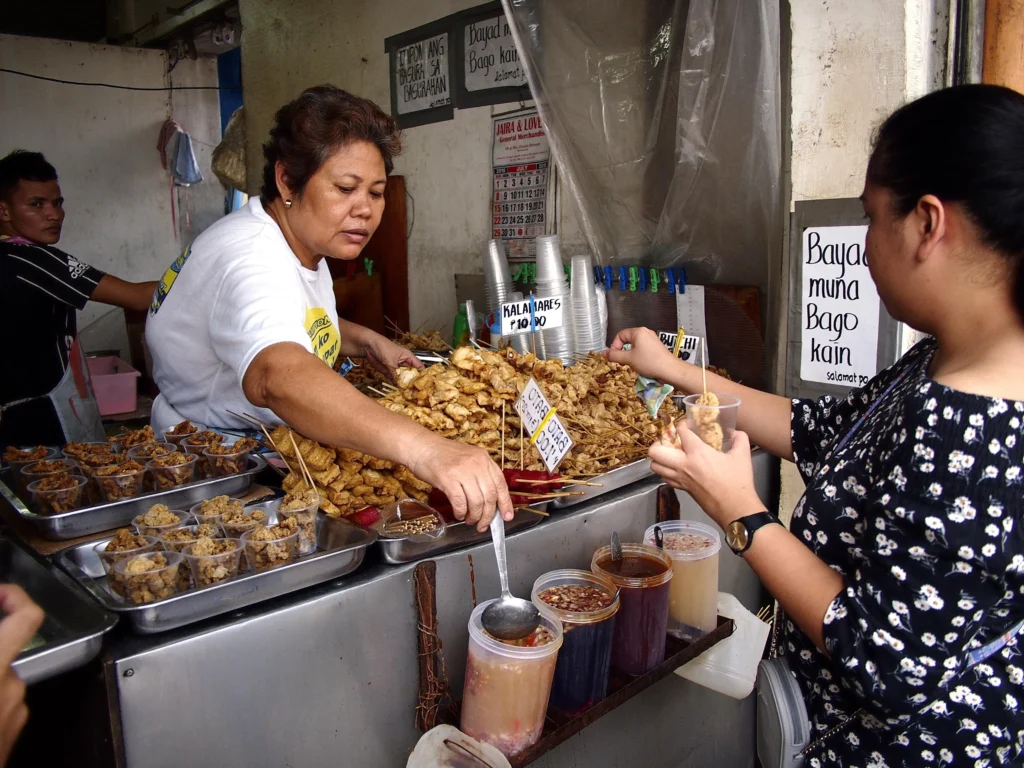
This guide will walk you through five practical batch cooking strategies designed specifically for Filipino carinderias, plus tips on storage, LPG management, and avoiding spoilage in our hot climate.
Why batch cooking matters for carinderias
Batch cooking is especially powerful for carinderias because:
- You serve the same core dishes every day (adobo, ginisa, menudo, gulay, etc.).
- You have predictable peak hours (almusal, tanghali, merienda).
- You often work with a small team—sometimes just one main cook.
Instead of starting from zero for every pot, you build a system: base sauces, pre-cooked meats, pre-sautéed aromatics, and ready-to-use seasoning mixes.
This is how you move from “pagod na laging habol sa oras” to “handa na ang ulam bago pa mag-11 AM.”
1. The base sauce blueprint (the mother gravy)
The strategy
Prepare a large batch of a versatile base sauce that you can turn into 3–4 different dishes with small adjustments. Think of it as your mother sauce that becomes afritada, menudo, mechado, or even giniling with just a few added ingredients.
Relatable example
You cook a giant pot of red base using garlic, onions, and tomatoes. On Monday, half becomes chicken afritada by adding potatoes, carrots, and bell peppers. On Tuesday, the remaining half becomes pork menudo by adding liver, hotdog, and raisins. You didn’t start from scratch either day—you just customized the base.
What you need to prepare
- A large kawa or stockpot
- Basic aromatics: garlic, onions, tomatoes
- Tomato sauce or paste (optional but helpful)
- Soy sauce, bay leaves, pepper
- Clean containers with lids for storage
Step-by-step process
- Sauté garlic and onions in oil until fragrant.
- Add chopped tomatoes and cook until soft and saucy.
- Season lightly with soy sauce, pepper, and bay leaves (keep it neutral enough to adapt).
- Simmer for 15–20 minutes to develop flavor.
- Cool slightly, then divide into containers for different days or dishes.
Key base types to master
- Tomato-soy base – For afritada, menudo, mechado, giniling, and some pasta sauces.
- Coconut milk base – For Bicol express, ginataang gulay, ginataang manok, and seafood dishes.
Once you master these, you reduce prep time by a huge margin and keep your flavors consistent.
2. Pre-searing and half-cook protein prep
The strategy
Buy meats in bulk, portion them, and pre-cook them to about 70% doneness (par-cooking). This way, you only need a short time to finish the dish when needed.
Relatable example
Instead of boiling beef for nilaga from raw every morning (which can take 2 hours), you parboil 10 kg of beef on Sunday until it’s almost tender. During the week, when you need a fresh pot of nilaga, you just simmer the pre-cooked beef for 15–20 minutes with vegetables.
What you need to prepare
- Bulk meat (beef, pork, chicken)
- Large pot or pressure cooker
- Cutting board and sharp knives
- Containers or freezer bags for portions
Step-by-step process
- Slice meats into serving-size pieces (for nilaga, kaldereta, adobo, etc.).
- For tough meats like beef and pork, parboil or pressure cook until about 70% tender.
- For chicken, you can pre-sear or lightly par-cook to lock in juices.
- Cool the meat quickly, then portion into containers (good for 1 pot or 1 service).
- Store in the fridge for 1–3 days or freezer for longer.
Techniques to explore
- Par-cooking – Pre-boiling or pre-braising tough meats so they finish quickly later.
- Velveting – Coating chicken pieces in cornstarch and a bit of soy or egg white before cooking to keep them tender even after reheating.
This strategy is a game-changer during rush hours. Instead of saying “wala pa, pinapakuluan pa,” you can serve in minutes.
3. The aromatic trinity freeze
The strategy
Pre-mince and pre-sauté your ginisa staples—garlic, onions, and ginger—in bulk, then store them in jars. This becomes your instant flavor starter for almost any ulam.
Relatable example
A busy tindera spends 30 minutes every morning peeling native garlic and chopping onions while customers are already asking for tapsilog and longsilog. She’s stressed, the kitchen is behind, and the first batch of dishes is delayed.
What you need to prepare
- 1–2 kg of garlic
- 1–2 kg of onions
- Optional: ginger for certain dishes
- Cooking oil
- Clean jars or containers with tight lids
Step-by-step process
- Peel and mince garlic and onions (you can use a food processor if available).
- Heat oil in a large pan and lightly sauté the aromatics—just enough to release aroma, not fully browned.
- Let the mixture cool completely.
- Transfer to jars or containers and store in the fridge.
Now, when you start a dish, you just scoop 1–2 spoonfuls of pre-sautéed aromatics into the pan. What used to take 10 minutes now takes 30 seconds.
Benefits
- Faster start for every dish
- Less morning stress
- More consistent flavor
- Less waste from spoiled or dried-out garlic and onions
4. Dry-batching spice and seasoning mixes
The strategy
Pre-mix the dry ingredients and seasonings for your signature dishes so that one container equals one pot. This prevents flavor drift when different people cook on different days.
Relatable example
On a busy Wednesday, the cook is rushing and accidentally over-salts the adobo. The whole batch tastes off. Customers complain, and some don’t come back the next day.
What you need to prepare
- Measuring spoons
- Small tubs or containers with lids
- Your standard recipe for each dish
- Labels and a marker
Step-by-step process
- Write down your standard recipe for each dish (for example, adobo, Bicol express, sinigang).
- Identify the dry ingredients: salt, pepper, sugar, chili, dried herbs, bouillon, etc.
- Pre-mix these in small containers—each container is for one pot.
- Label each tub with the dish name and date.
When it’s time to cook, the cook just adds the seasoning tub at the right stage. No guessing, no tantya-tantya that changes daily.
Benefits
- Consistent taste every day
- Easier training for new staff
- Less risk of over-salting or under-seasoning
- Faster cooking during peak hours
5. Sequential cooking (the clean to dirty flow)
The strategy
Use the same large wok or kawa to cook multiple dishes in a logical order that minimizes washing and reuses flavors where appropriate.
Relatable example
If you fry fish first, the pan smells malansa. You then have to scrub it thoroughly before cooking vegetables or fried rice, wasting time and water.
What you need to prepare
- A clear cooking schedule
- A list of dishes for the day
- Awareness of which dishes are cleaner and which are heavier
Step-by-step process
- Start with the cleanest, lightest dishes—like garlic rice or simple ginisa.
- Next, cook vegetable dishes that benefit from a bit of leftover flavor.
- Then move to light meats like chicken or pork stir-fries.
- End with fish, heavily spiced dishes, or those with strong sauces.
This way, you reduce the number of times you need to fully wash the pan. You save LPG, water, and time, and you keep the kitchen flow smoother.
How to improve implementation in your carinderia
Invest in good containers
Instead of relying only on plastic bags, invest in stackable, transparent containers. This helps you:
- See inventory at a glance
- Avoid forgetting prepped items at the back of the fridge
- Keep sauces, meats, and aromatics organized
Industrial-grade plastic containers or food-safe tubs are worth the cost because they protect your ingredients and make your kitchen more efficient.
Follow the FIFO rule (first in, first out)
Batch cooking only works if you manage freshness.
- Label every container with the date it was prepared.
- Always use the oldest batch first.
- Avoid stacking new batches on top of old ones without checking.
In a carinderia, freshness is king. Pre-prepped food must still be rotated properly to avoid spoilage and food safety issues.
Manage LPG wisely
Batch cooking helps you use LPG more efficiently.
- Schedule heavy boiling and long-simmer dishes in one 3–4 hour window.
- Avoid constantly turning burners on and off for small tasks.
- Use lids to trap heat and reduce cooking time.
Over a month, these small savings on LPG can significantly improve your profit.
Prevent spoilage under Philippine heat
One common mistake is covering hot food too early.
- Let sauces and soups cool completely before covering and storing.
- Trapped steam turns into water, which can speed up spoilage (panis) in our hot climate.
- Divide large batches into smaller containers so they cool faster.
This is especially important for tomato-based and coconut milk-based dishes, which can spoil quickly if not cooled and stored properly.
Common challenges and how to handle them
“Wala akong oras mag-batch cook.”
Start small. You don’t have to batch cook everything at once. Begin with:
- Pre-sautéed aromatics
- One base sauce
- One pre-cooked meat
Once you feel the time savings, you’ll naturally expand the system.
“Baka hindi na fresh ang lasa.”
If you store properly and reheat correctly, batch-cooked components can still taste fresh. The key is:
- Proper cooling
- Clean containers
- Correct reheating (avoid overcooking)
Many restaurants and hotels use batch cooking daily—you’re just adapting it to carinderia scale.
Conclusion: cook smarter, not just harder
A carinderia is one of the most beautiful expressions of Filipino food culture—simple, affordable, and comforting. But behind every tray of ulam is a tired cook, a hot kitchen, and a race against time.
Batch cooking strategies like base sauces, pre-cooked meats, pre-sautéed aromatics, dry seasoning mixes, and sequential cooking can transform the way you run your carinderia. You’ll save time, reduce stress, cut LPG costs, and serve more customers with consistent quality.
You don’t need a big kitchen or hotel-level equipment to do this. You just need a plan, a few containers, and a willingness to prepare ahead.
Start with one strategy this week. Maybe it’s the aromatic trinity, or a tomato base sauce. Once you see how much easier your mornings become, you’ll know you’re on the right track.
Your carinderia doesn’t just feed people—it can also feed your long-term dreams, if you build systems that support you, not exhaust you.
FAQ: Batch Cooking Strategies for Carinderias
1. What is batch cooking in a carinderia?
Batch cooking means preparing large quantities of food in advance so dishes are ready for serving throughout the day. It helps save time, reduce labor, and maintain consistent quality during peak hours.
2. Why is batch cooking important for carinderias?
Batch cooking improves efficiency, reduces cooking time during rush hours, minimizes food waste, and ensures customers always have freshly prepared dishes available.
3. Which dishes are best for batch cooking?
Ideal dishes include adobo, menudo, afritada, giniling, kare-kare, dinuguan, and soups like nilaga or sinigang. These dishes hold well in warmers and maintain flavor over time.
4. How can I keep batch-cooked food fresh throughout the day?
Use food warmers, maintain safe temperatures, stir dishes regularly, and avoid leaving food uncovered. Reheat only the portion needed to prevent spoilage.
5. How do I avoid overcooking or undercooking when preparing large batches?
Use standardized recipes, measure ingredients accurately, and cook in stages. For meats, pre-boil or pre-tenderize before combining with sauces to ensure even cooking.
6. How can batch cooking help reduce food waste?
By tracking daily sales patterns, you can cook only what sells consistently. Leftovers can be repurposed into breakfast meals or smaller portions for budget-conscious customers.
7. What equipment is essential for batch cooking?
Large pots, steamers, rice cookers, food warmers, stainless trays, ladles, and airtight containers are essential. A well-organized prep table also speeds up workflow.
8. How do I plan a batch cooking schedule?
Start with dishes that take longest to cook, prepare ingredients the night before, and stagger cooking times so multiple dishes finish before opening hours. Track peak times to adjust your schedule.