A carinderia may look simple from the outside, but behind every plate of adobo or sinigang is a small, fast-moving team that keeps the entire operation alive. Labor is the backbone of a carinderia.
Even the best recipes fail without the right people handling prep, cooking, serving, cleaning, and purchasing. When roles are unclear, the kitchen slows down, mistakes pile up, customers feel the chaos and stay away.
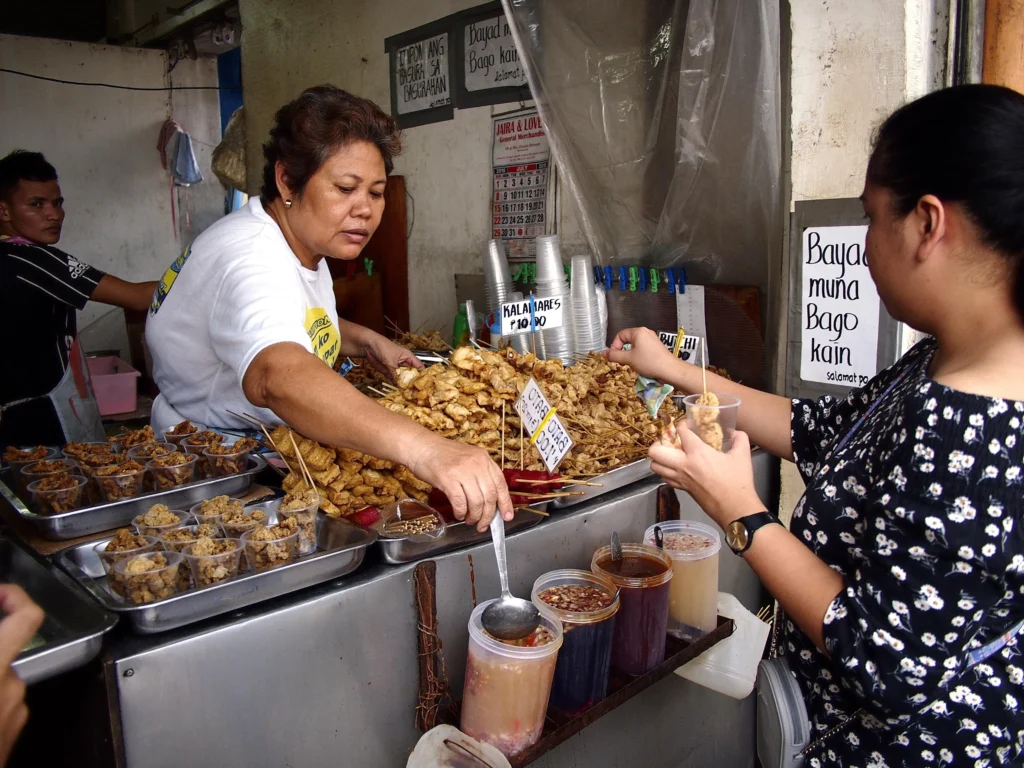
Identifying each staff role is not just about assigning tasks—it is about managing efficiency. Clear responsibilities prevent overlap, reduce arguments, and ensure that every part of the workflow moves smoothly. When each staff member knows their lane, the carinderia becomes faster, cleaner, more consistent, and more profitable.
The master kusinero or kusinera (head cook)
The head cook is the heart of the business. This role goes far beyond cooking; it is about consistency, timing, and maintaining the signature flavors that keep customers coming back. A great kusinero ensures that the adobo tastes the same every single day and that the sarsa, prito, and sabaw are always on point.
Profit impact: high. A skilled cook reduces food waste, prevents burnt batches, and manages kitchen heat efficiently, protecting ingredients, equipment, and ultimately the profits.
The tagahanda (prep cook or kitchen assistant)
The prep cook is the unsung hero of the kitchen. Their job is to make sure the head cook never has to stop mid-sauté to peel garlic or chop onions. They keep the kitchen flowing smoothly by preparing ingredients ahead of time.
Key responsibilities include chopping vegetables, cleaning fish and meat, and organizing the mise en place so everything is ready for the pan.
Profit impact: efficiency. Faster prep means more dishes can be ready by the 11:00 AM lunch rush, increasing sales during peak hours.
The tindera or tindero (front-of-house server)
In a carinderia, the server is also your top salesperson. They are the face of the business, the first person customers interact with, and the one who guides them through the menu.
Key responsibilities include plating food behind the glass display, suggesting specials, and managing customer flow during busy periods.
Profit impact: upselling. A great server naturally increases the average bill by offering add-ons such as extra rice, gulay, or a side dish that pairs well with the customer’s order.
The takisero or takisera (cashier and inventory monitor)
The cashier is the gatekeeper of the cash box. This role requires accuracy, honesty, and attention to detail. Beyond computing totals and giving change, the cashier also tracks what dishes sell out and which ones barely move.
Profit impact: leakage prevention. Proper recording helps prevent missing cash and provides essential data for pricing, menu engineering, and daily forecasting.
The taga-hugas (dishwasher and sanitation officer)
This is one of the most underrated roles in the entire operation. If the plates are not clean, the business suffers immediately. Customers notice oily spoons, sticky tables, and foul-smelling dishwater faster than they notice the food.
Key responsibilities include managing the three-basin washing system, clearing tables quickly, and ensuring the dining area stays clean and odor-free.
Profit impact: customer retention. Cleanliness directly affects appetite appeal and repeat visits.
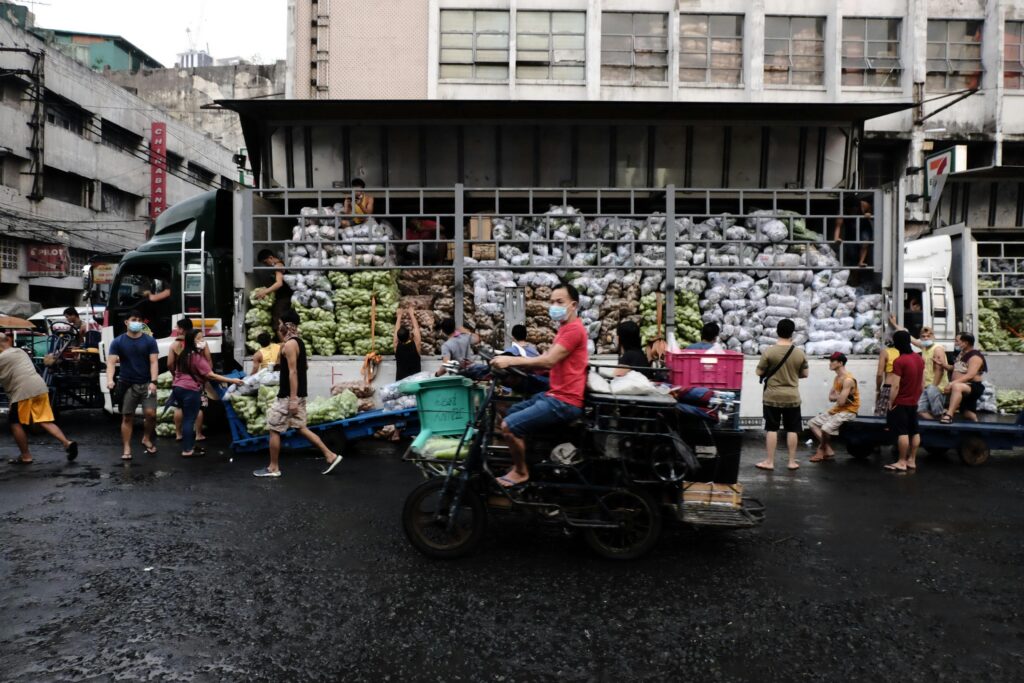
The tagapamalengke (purchaser or runner)
Often the owner or a trusted staff member, the purchaser is responsible for sourcing ingredients at the best possible price. This role requires waking up early, canvassing prices, and knowing which vendors offer the freshest produce.
Profit impact: margin protection. Saving even ₱10 per kilo on pork or vegetables adds up quickly and directly increases profit.
The all-around or reliever
The all-around staff member is the utility player who fills in wherever needed. They top up the water dispenser, run to the sari-sari store for calamansi, or take over the counter when the server is on break.
Profit impact: continuity. They prevent bottlenecks during peak hours and keep the operation running smoothly even when someone steps away.
Advice for different carinderia scales
Small or home-based carinderia (1–2 staff)
Small setups cannot afford seven separate roles. Usually, the owner handles roles 1, 2, and 6 (cook, prep, and purchasing), while one assistant handles roles 3, 4, 5, and 7 (server, cashier, dishwasher, and reliever).
Pro-tip: prioritize the tindera role. A friendly, attentive server can mask many small-business limitations and keep customers loyal.
Canteens or office-adjacent carinderias (5 or more staff)
In these locations, you must separate the cashier from the server. Handling money and then touching plates or food is a hygiene red flag for office workers and health inspectors.
Clear role separation improves sanitation and customer confidence.
Catering-focused operations
For catering, the prep cook becomes the most important person. Scaling up to 100 or more servings requires massive amounts of chopping, cleaning, and portioning before the head cook even turns on the stove.
Proper prep ensures consistency and prevents delays during large orders.
The golden rule of staffing
Multi-tasking is fine, but multi-responsibility is dangerous. Even if one person handles three jobs, they must know exactly what those three jobs are. Clear role definitions prevent the classic “I thought you were washing the rice” argument while customers wait.
When everyone knows their lane, the carinderia runs like a well-oiled machine.
How many staff do you really need? (Based on menu type)
The number of workers you need depends heavily on what you serve. A silog-style carinderia has different labor needs compared to a lutong-ulam setup.
Silog or short-order carinderia
- 1 cook
- 1 server/cashier
- 1 dishwasher (optional)
Short-order cooking requires speed, so the cook must be highly skilled.
Lutong ulam or turo-turo
- 1 head cook
- 1 prep cook
- 1 server
- 1 cashier
- 1 dishwasher
Catering or bulk-order operations
- 1 head cook
- 2–3 prep cooks
- 1 runner/purchaser
- 1 server/packer
Carinderia staff salary guide
Labor costs vary by location, but here are typical daily rates:
- Kusinero: ₱600–₱900/day
- Prep cook: ₱450–₱650/day
- Tindera/server: ₱400–₱600/day
- Cashier: ₱500–₱700/day
- Dishwasher: ₱350–₱500/day
- All-around: ₱450–₱600/day
Most carinderias also provide:
- Free meals
- Transportation allowance
- Occasional tips
How to hire the right carinderia staff
Hiring the wrong person can slow down your entire operation. Look for:
- Experience in fast-paced kitchens
- Basic food safety knowledge
- Honesty and reliability
- Ability to work under pressure
- Good customer service attitude
Sample interview questions
- “How do you handle peak-hour pressure?”
- “What dishes are you most confident cooking?”
- “How do you ensure cleanliness while working?”
- “Can you work with a team and follow instructions?”
Training guide for new carinderia staff
A simple 3-day onboarding plan helps new workers adjust quickly.
Day 1: Orientation
- Tour of the kitchen
- Introduction to roles and workflow
- Basic hygiene and safety rules
Day 2: Hands-on practice
- Shadowing the cook or server
- Learning portion sizes
- Practicing plating and customer interaction
Day 3: Supervised work
- Handling tasks independently
- Feedback and corrections
Carinderia staff scheduling templates
2-person setup
- Owner: cooking, prep, purchasing
- Assistant: serving, cashiering, dishwashing
5-person setup
- Cook: 4 AM–2 PM
- Prep cook: 4 AM–12 PM
- Server: 10 AM–8 PM
- Cashier: 10 AM–8 PM
- Dishwasher: 11 AM–8 PM
Common staffing problems and how to fix them
Slow service during peak hours
Solution: assign a dedicated server and pre-portion dishes.
Cash leakage
Solution: separate cashier duties and use a daily logbook.
Staff conflict
Solution: clear role definitions and written SOPs.
Inconsistent food taste
Solution: standardize recipes and portion sizes.
How to prevent theft, leakage, and shrinkage
- Use portion scoops for rice and ulam
- Record starting and ending inventory daily
- Separate cashier and server roles
- Install a visible CCTV camera
- Use a transparent cash box
Carinderia workflow: a typical day
- 3:00 AM: palengke run
- 4:00 AM: prep work
- 6:00 AM: cooking
- 10:30 AM: display setup
- 11:00 AM: lunch rush
- 2:00 PM: cleaning
- 4:00 PM: dinner prep
- 8:00 PM: closing
FAQ: Essential Carinderia Staff Roles and Responsibilities
1. How many staff members does a small carinderia need?
A small carinderia can operate with 2–4 staff: a head cook, a prep cook or helper, a cashier/server, and a dishwasher. Larger setups may require additional roles such as a purchaser or reliever.
2. What is the role of the head cook in a carinderia?
The head cook oversees menu planning, cooking, portioning, and maintaining food quality. They ensure dishes are prepared consistently and manage kitchen workflow during peak hours.
3. What does a prep cook or kitchen helper do?
The prep cook handles ingredient preparation, chopping, marinating, and assisting the head cook. They help speed up cooking and ensure ingredients are ready throughout the day.
4. What are the responsibilities of a cashier in a carinderia?
The cashier manages payments, records sales, handles customer orders, and ensures accurate pricing. In smaller carinderias, the cashier may also serve food or pack takeout orders.
5. Why is a dishwasher or cleaner important?
A dedicated dishwasher keeps utensils, plates, and cookware clean, preventing delays in service. They also help maintain sanitation by cleaning tables, sinks, and food prep areas.
6. What does a purchaser or market runner do?
The purchaser buys fresh ingredients daily or weekly, negotiates prices, and ensures the carinderia has enough supplies. This role is crucial for cost control and maintaining food quality.
7. Do carinderias need an all-around reliever?
Yes, many carinderias benefit from a reliever who can assist in cooking, serving, washing dishes, or running errands. This role helps maintain smooth operations during peak hours or staff absences.
8. How do clear staff roles improve carinderia efficiency?
Clear roles prevent task overlap, reduce mistakes, speed up service, and improve food quality. Defined responsibilities also help owners monitor performance and manage labor costs effectively.