Amid the uncertainty brought by the pandemic years — when thousands of overseas Filipino workers (OFWs) were forced to return home — shrimp farming emerged as one of the most promising livelihood opportunities for Filipinos seeking a stable, home‑based business in aquaculture.
During the height of COVID‑19, Mindanao Development Authority (MinDA) chairman Emmanuel Piñol highlighted the renewed momentum of shrimp aquaculture in the region. “Shrimp farming is making a comeback in Mindanao years after farmers virtually abandoned the industry, including tiger prawn culture, because of diseases,” Piñol said in a Facebook post.
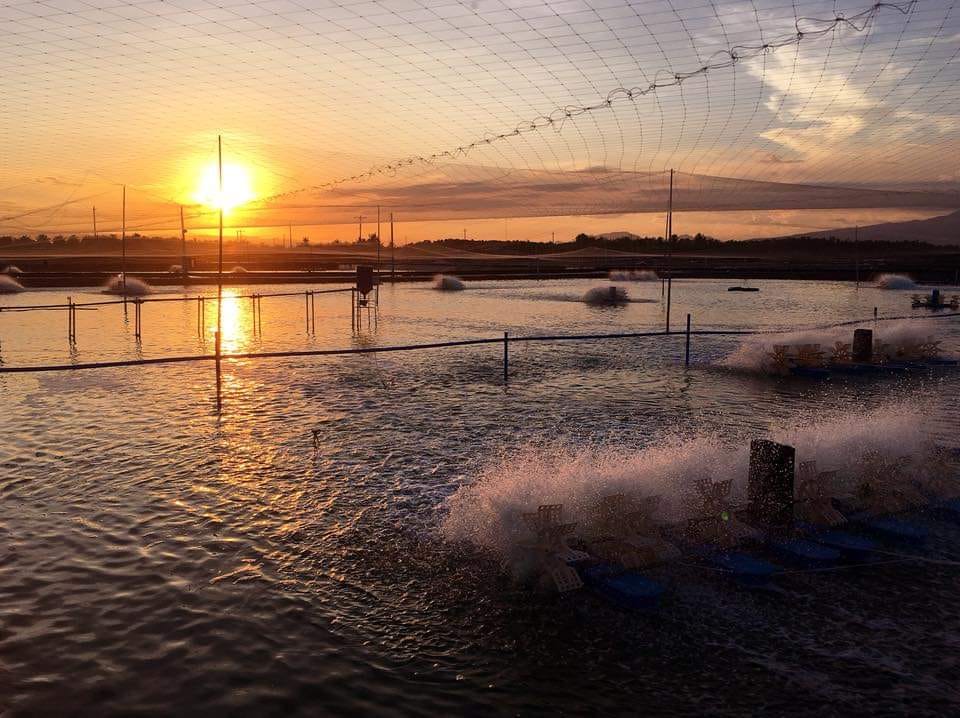
Piñol’s visit to the Charoen Pokphand Foods Philippines (CPF Philippines) facility — part of the Thailand‑based agribusiness giant — underscored the growing confidence in Mindanao as a major shrimp‑producing region.
Modern shrimp farming technology
Thanks to improved hatchery systems, biosecurity protocols, and high‑quality broodstock, the Philippines has significantly increased its production of vannamei (whiteleg shrimp). As of 2025, the country produces an estimated 65,000–70,000 metric tons annually, according to data from the Bureau of Fisheries and Aquatic Resources (BFAR) and industry groups.
However, this output still lags behind regional competitors:
- Vietnam: 450,000+ metric tons/year
- Indonesia: 300,000+ metric tons/year
- Thailand: 280,000+ metric tons/year
Local demand in the Philippines is estimated at 100,000–120,000 metric tons per year, leaving a supply gap that continues to be filled by imports. This gap represents a major opportunity for new investors and returning OFWs.
Mindanao remains the preferred location for vannamei growers due to its cleaner water sources, lower population density, and minimal exposure to typhoons compared to Luzon and Visayas. These natural advantages reduce operational risks and improve survival rates.
Why shrimp farming became attractive after the pandemic
The pandemic reshaped global food systems, and aquaculture — particularly shrimp — proved resilient. Several factors contributed to its rise as a livelihood option:
- Strong domestic demand: Shrimp consumption increased as households cooked more at home.
- Export recovery: By 2024–2025, global shrimp prices stabilized after pandemic disruptions.
- Government support: BFAR and MinDA expanded training, hatchery development, and financing programs.
- Technology adoption: Small farmers gained access to aeration systems, probiotics, and digital water‑quality monitoring tools.
CPF Philippines sources its broodstock from its hatchery in Rayong, Thailand, and partners with Filipino farmers to improve production efficiency. Their model integrates training, technical support, and access to high‑quality post‑larvae (PL), reducing the risks that previously plagued the industry.
Profit potential for OFWs and new investors
According to CPF Philippines Assistant Vice President Marjun Villanueva, a ₱2‑million investment in a properly managed shrimp pond can generate a ₱1‑million net profit per cycle. With up to three cycles per year, a small‑scale farm can potentially earn ₱3 million annually.
These figures depend on several factors:
- Stocking density
- Feed conversion ratio (FCR)
- Water quality management
- Biosecurity protocols
- Market prices (₱220–₱350/kg depending on size)
In 2026, shrimp prices remain strong due to steady domestic demand and limited local supply. The Philippines still imports shrimp from Vietnam and India, which means local producers enjoy a competitive advantage in freshness and logistics.
Training and support for aspiring shrimp farmers
To help returning OFWs and local entrepreneurs, MinDA partnered with CPF Philippines to conduct webinars and on‑site training on:
- White shrimp farming
- Fish cage farming
- Biosecurity and disease prevention
- Feed management and water quality control
- Financial planning for aquaculture
These programs aim to equip Filipinos with the skills needed to run profitable, sustainable aquaculture ventures — especially in Mindanao, where natural conditions favor shrimp production.
Conclusion
Looking back, the pandemic forced many Filipinos to rethink their livelihoods. Shrimp farming emerged as one of the few industries that not only survived but expanded during and after the crisis. With modern technology, strong market demand, and growing government and private‑sector support, shrimp aquaculture remains a promising investment for OFWs and local entrepreneurs in 2026.