Tilapia is the second most important freshwater food fish in the Philippines. Tilapia production in fish pens and ponds is common in major rivers and lakes such as Laguna de Bay in Laguna, Taal Lake in Batangas, and Lake Buhi in Camarines Sur.
Locally, tilapia is also known as “pla-pla”. The most important species is the Nile tilapia (Tilapia nilotica). Tilapia grows fast and can reach a marketable weight of at least 200 grams in less than six months.
A small backyard fishpond for tilapia can supplement family income and provide a steady supply of good-quality fish. Tilapia is suitable for processing into dried, smoked, or salted products.
On the dining table, tilapia is very versatile: it can be fried, grilled, cooked as sinigang (sour soup using tamarind, guava, calamansi, or other natural souring agents), paksiw (vinegar-based stew), and many other recipes.
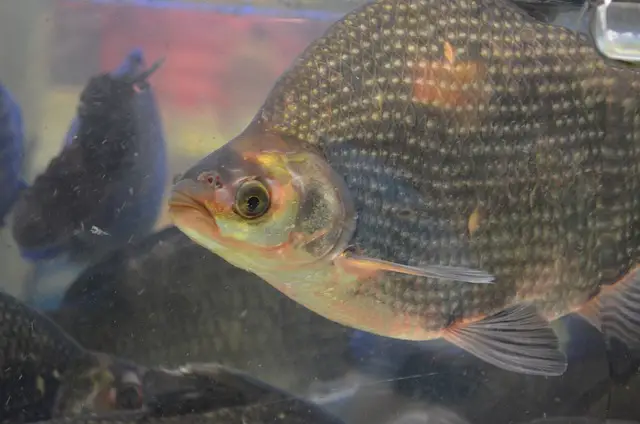
For those who wish to pursue this aquaculture business, below are basic guidelines on pond selection, preparation, stocking, care, and harvesting.
Materials and equipment for a concrete tilapia pond
For backyard-scale operations, a simple rectangular concrete pond with proper inlet and outlet pipes, screens, and a small working area is usually enough. Consult your local agriculture or fisheries office for recommended pond dimensions, reinforcement, and plumbing suited to your site and budget.
Tilapia fishpond selection and preparation
-
Select a suitable fishpond site with the following characteristics:
- Clay or clay-loam soil that can hold water and minimize seepage.
- Reliable water supply all year round (river, spring, deep well, rainwater, or tap water).
- Free from pesticide contamination, industrial effluents, and other pollutants.
- Slightly elevated area to allow water to flow in and out by gravity.
- Initial pond size of about 30–200 sqm, with room to expand as production increases.
- Level the bottom of the pond to prevent uneven depth and excessive seepage.
- For new concrete ponds, remove the toxic effect of cement by washing, flooding, and draining the pond at least three (3) times.
- Fertilize with organic fertilizer (such as chicken manure) at a rate of 1 kg/sqm.
- Fill the pond with water to an initial depth of 5–10 cm after applying organic fertilizer and leave it for about a week. This allows algae and natural food to grow, which you can observe through the greenish color of the water. These serve as natural feed for the fish.
- After natural food has developed, fill the pond to the desired operating depth of 1.0–1.5 m.
- Install a fine-mesh screen on the drainage pipe or outlet to prevent fish from escaping.
Fish stocking
- Stock fingerlings early in the morning or late in the afternoon when the water is cooler to reduce stress. Use good-quality, pure stocks and avoid mixing with other species to maintain genetic quality.
- Transport fingerlings in oxygenated plastic bags or well-aerated containers to maximize survival.
- Upon arrival, acclimate the fingerlings by floating the closed plastic bags in the pond for 30–60 minutes. Then open the bags in the water and gently allow the fingerlings to swim out.
- Stock the pond at a density of about 6 fingerlings per square meter. A common sex ratio is 1 male to 3 females. Avoid stocking too many males, as they may prey on their own fry and fingerlings when feed is insufficient.
Care and maintenance
- Feed tilapia twice daily (morning and afternoon) in a fixed feeding area. Supplement natural food with fine rice bran, bread crumbs, earthworms, or commercial feeds at an initial rate of about 5% of the total body weight of the fish, then adjust as they grow.
- Maintain natural food production by adding organic fertilizer regularly. Place chicken manure in sacks (about 2.5 kg per sack) and suspend them at several points around the pond.
- Keep the water depth between 1.0 and 1.5 m and replace part of the water if it becomes too turbid or foul-smelling.
- After the third month, gradually remove excess fingerlings to maintain the stocking density at around 6 fish per sqm. Extra fingerlings can be used for fish meal or as feed ingredients for livestock and poultry.
- Plant kangkong or gabi along one side of the pond to provide shade and additional habitat for natural food. Water lilies may also be used, but avoid covering too much of the pond surface as this can reduce oxygen and natural food production.
- Repair seepages and leaks by patching with clay or mud. Keep pond dikes free of weeds and strengthen them as needed.
- Plant trees and grasses near the dikes to prevent erosion, and avoid dumping garbage or contaminants near the pond.
Fish harvesting
- To help control excess small fish, some farmers introduce a few catfish several months before harvest. After 4–6 months, tilapia typically reach 200–400 grams and are ready for market.
- For total harvest, drain the pond completely and guide the fish toward the lowest portion near the outlet for easier collection using nets or baskets. After harvest, clean and prepare the pond again before restocking.