-
- Pickup & delivery laundry is now one of the fastest‑growing service businesses in the Philippines due to rising demand for convenience.
- You can start even without owning machines by using an “asset‑light” partnership model.
- Digital booking, cashless payments, and efficient logistics are the backbone of a modern laundry brand.
The laundry industry in the Philippines has evolved from traditional walk‑in shops to a “Doorstep Convenience” model. With more Filipinos working hybrid schedules, living in condos, and valuing their time, pickup & delivery laundry services have become a necessity rather than a luxury. For small entrepreneurs, this business offers low overhead, high repeat customers, and strong potential for scaling.
Whether you’re a returning OFW, a freelancer looking for a side business, or a family wanting to maximize your home space, here’s a complete roadmap to launching a digital‑first laundry pickup & delivery service.
Choosing your operational model
You don’t need to own a full laundromat to start. In 2026, two models dominate the market:
Asset‑light (aggregator model)
You focus on marketing, customer service, pickup, and delivery. The washing is outsourced to a partner laundry shop.
- Best for: Beginners, low‑capital entrepreneurs, OFWs funding a home‑based business.
- Requirements: Delivery motorcycle, reusable bags, digital booking system, partner laundry shop.
- Approx. cost: ₱60,000 – ₱120,000 to start.
- Challenges: Quality control depends on your partner. You must choose a reliable shop.
Example: A tricycle driver’s wife in Laguna started by partnering with a nearby laundromat. She handled pickups in her barangay and earned ₱8,000–₱12,000 monthly without owning a single machine.
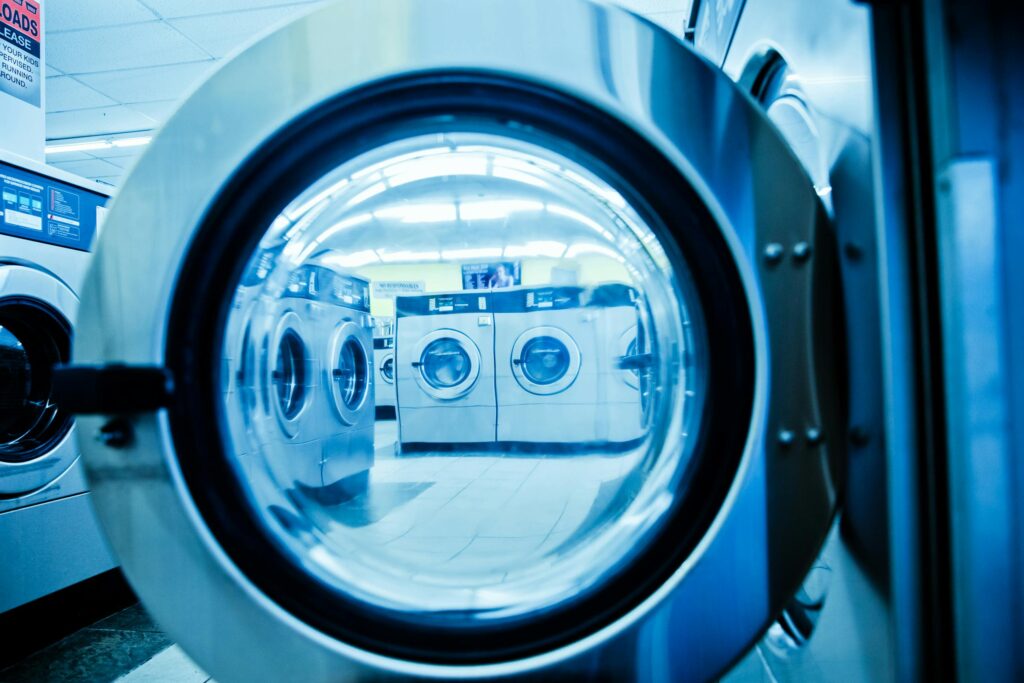
Full‑stack (owner‑operator model)
You own the machines, the space, and the delivery fleet. This gives you full control over quality and pricing.
- Best for: Hands‑on owners, families with extra space, entrepreneurs planning to scale.
- Requirements: Washer/dryer units, water supply, drainage, delivery motorcycle, staff.
- Approx. cost: ₱350,000 – ₱550,000 for a small setup.
- Challenges: Higher electricity bills, machine maintenance, and staff management.
Example: An OFW couple in Cavite converted their garage into a 2‑machine laundry hub and now services 4 subdivisions with daily pickups.
Digital setup: your storefront is an app
In 2026, customers rarely call. They message. Your digital presence is your “branch.”
WhatsApp/Viber Business
- Create a business profile with operating hours, price list, and location pin.
- Use “Quick Replies” for FAQs like “How much per kilo?” or “What time is pickup?”
- Set automated away messages for after‑hours inquiries.
Booking software
Platforms like CleanCloud or Cents allow customers to:
- Pin their exact pickup location
- Track laundry status (“Washing,” “Drying,” “Ready for Delivery”)
- Receive automated reminders
Cashless payments
- Integrate GCash/Maya QR codes into your digital invoices.
- Print QR codes on your laundry bags for easy scanning.
- Offer e‑receipts for corporate clients.
Tip: Condo residents prefer cashless because they often leave payments with guards or receptionists.
Legal and regulatory checklist
Even a home‑based laundry pickup service must be legally registered to avoid penalties and to qualify for corporate clients.
DTI/SEC and Mayor’s Permit
Register your business name and secure your local business permit.
Sanitary Permit
Required because you handle potentially contaminated laundry and wastewater.
Fire Safety Inspection Certificate (FSIC)
Critical if you operate dryers, which are high‑heat appliances.
LTFRB (optional)
If you use a dedicated motorcycle or van exclusively for “transport for hire,” check if your LGU requires a special permit for delivery vehicles.
Example: A laundry operator in Quezon City was asked to register her delivery motorcycle under a special barangay delivery permit because she serviced multiple subdivisions.
Equipment and logistics essentials
| Category | Item | Recommendation |
|---|---|---|
| Machines | Stacked Washer/Dryer | Speed Queen or LG Commercial for durability |
| Fleet | Motorcycle with Top Box | Waterproof, insulated, and lined with clean plastic |
| Supplies | HE Detergent | Use high‑efficiency liquids to protect machines |
| Packaging | Reusable Laundry Bags | Branded nylon bags for eco‑friendly marketing |
Estimated startup costs (small scale)
- DTI/Permits/Initial Marketing: ₱15,000 – ₱25,000
- 2 Units Stacked Washer/Dryer: ₱250,000 – ₱400,000
- Delivery Motorcycle (2nd hand): ₱40,000 – ₱60,000
- Working Capital: ₱50,000
Total Estimated Startup: ₱355,000 – ₱535,000
For an asset‑light model, you can start for under ₱100,000.
2026 diskarte hacks for growth
The subscription model
Offer a “Monthly Family Plan” (e.g., 20kg for a fixed price). This gives you a predictable cash flow and locks in loyal customers.
Segmented marketing
Run Facebook Ads targeting:
- Condo residents within a 3km radius
- Working professionals in business districts
- New homeowners in subdivisions
These groups value convenience and have higher disposable income.
The weight and photo protocol
To avoid “missing item” complaints:
- Driver weighs the bag at pickup
- Takes a photo of the laundry
- Sends the photo via Viber immediately
This builds trust and protects your business from disputes.
Zoning to beat traffic
Instead of accepting pickups everywhere, assign zones:
- North areas: Monday, Wednesday, Friday
- South areas: Tuesday, Thursday, Saturday
This saves fuel and ensures predictable delivery times.
Common challenges and solutions
High electricity bills
Solution: Use gas dryers and wash only full loads. Gas dryers are significantly cheaper to operate in the Philippines.
Traffic delays
Solution: Use zoning and schedule batching. Avoid peak hours when possible.
Quality control issues
Solution: Create a standard operating procedure (SOP) for washing, drying, folding, and packaging. Train staff thoroughly.
Customer complaints
Solution: Use the weight & photo protocol and maintain open communication through Viber or WhatsApp.
Conclusion
Starting a laundry pickup & delivery service in the Philippines is one of the most practical and scalable business ideas. With the right digital tools, a clear operational model, and strong customer service, even a small home‑based setup can grow into a full‑scale laundry brand.
Whether you’re an OFW investing in a family business, a freelancer looking for steady income, or a small entrepreneur ready to scale, the laundry pickup & delivery model offers recurring revenue, high demand, and long‑term potential.
Start small, stay consistent, and build a brand that delivers convenience right to your customer’s doorstep.