- The van rental industry is booming due to domestic tourism, corporate shuttles, and family travel, but it’s also high‑risk if mismanaged.
- Most first‑time owners lose money not because of low demand, but because of avoidable operational and legal mistakes.
- Understanding these pitfalls protects your vehicle, your cash flow, and your long‑term reputation.
- These tips apply whether you’re an OFW investing in a van, a freelancer starting a side business, or a small operator expanding your fleet.
The van rental business in the Philippines is one of the most attractive ventures today. With strong demand from tourists,
balikbayans, corporate clients, and family events, a single van can generate steady income. But because vans are high‑value assets, and because the business involves safety, liability, and logistics. Many beginners make costly mistakes that wipe out their profits.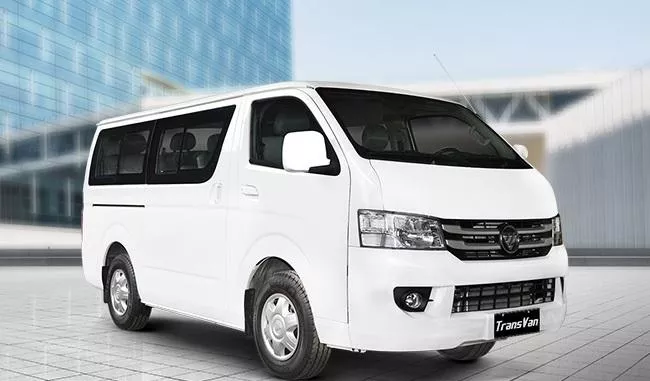
Here are the 10 most common mistakes first‑time van rental owners make, plus practical solutions to avoid them.
Buying the unit as a private vehicle
Many beginners buy a van under a personal loan and plan to “sideline” it for rentals. This is a dangerous shortcut.
The mistake
Using a private vehicle “for hire” voids your insurance. If an accident happens while transporting paying passengers, the insurance company can legally deny the claim.
The solution
- Register the van for commercial use with the LTO.
- Apply for the correct LTFRB franchise (Tourist Transport, Shuttle Service, or TNVS).
- Get commercial insurance that covers passengers.
Real-life example: A van owner in Pampanga had to shoulder ₱180,000 in damages because the insurer discovered the trip was a paid booking.
Skipping the GPS tracker
Rent‑tangay (vehicle theft through rental) remains one of the biggest risks in the industry.
The mistake
Relying on IDs, selfies, or “mukhang mabait naman” impressions.
The solution
- Install two GPS trackers: one visible, one hidden.
- Choose a tracker with remote engine shut‑off.
- Monitor the van through a mobile app.
Tip: A hidden tracker inside the wiring harness is harder to disable.
Offering self‑drive without strict vetting
Self‑drive rentals are convenient but risky if you don’t screen renters properly.
The mistake
Accepting bookings with only one ID or a quick Facebook chat.
The solution
- Require two government IDs.
- Ask for proof of billing (Meralco/Water).
- Do a social media background check.
- For beginners: offer “With Driver Only” for the first 6 months.
Why: A trained driver protects your engine, brakes, and tires from abuse or misuse.
Underestimating maintenance costs
Rental vans age three times faster than family vehicles due to long trips and heavy loads.
The mistake
Following the standard 5,000 km PMS schedule even if the van travels 500 km per day.
The solution
- Follow a Severe Service Schedule.
- Check brakes, suspension, and fluids weekly.
- Replace tires earlier than usual.
Cost reality: A breakdown in Vigan or Bicol can cost ₱20,000+ in towing, refunds, and lost bookings.
Not having a calamity fund
Weather, breakdowns, and cancellations are part of the business.
The mistake
Using 100% of the daily boundary to pay the monthly amortization.
The solution
- Set aside 10–15% of every rental into a “Sinking Fund.”
- Use this only for repairs, parts, and emergencies.
Tip: A well‑funded emergency budget prevents panic borrowing.
Poor contract clarity
Misunderstandings with clients can damage your reputation and lead to disputes.
The mistake
Not specifying fuel rules, toll fees, driver meals, or overtime charges.
The solution
- Use a printed Rental Agreement.
- State “Full‑to‑Full” fuel policy.
- Define penalties for late return, smoking, or eating messy food.
- Include a Grace Period (usually 1 hour).
Real-life example: A van owner in Cebu lost ₱3,000 because the client insisted “akala ko kasama na ang toll.”
Pricing based solely on competitors
Many beginners undercut the market to get bookings—but end up losing money.
The mistake
Charging ₱2,500/day because “yun ang presyo ng kapitbahay,” without calculating your own costs.
The solution
Compute your Break‑Even Point:
- Monthly amortization
- Insurance
- PMS and repairs
- Tire replacement
- Registration and franchise fees
Tip: Your pricing must reflect your actual expenses, not someone else’s.
Neglecting driver relations
If you hire a driver, they represent your business.
The mistake
Treating drivers as replaceable labor instead of partners.
The solution
- Offer a Safe Driving Bonus.
- Provide meals or allowances for long trips.
- Give incentives for 5‑star customer reviews.
Why it matters: A motivated driver protects your van and improves customer satisfaction.
Mixing personal and business use
Using the van for family outings without accounting for fuel and wear‑and‑tear distorts your financials.
The mistake
Treating the van as a family vehicle instead of a business asset.
The solution
- If the family uses the van, “rent” it from the business.
- Pay for fuel and the driver.
- Record the usage in your books.
Why: This shows the true opportunity cost of lost bookings.
Ignoring digital marketing and booking systems
Most travelers now book through Facebook, TikTok, or online travel platforms.
The mistake
Relying only on word‑of‑mouth or neighborhood posters.
The solution
- Create a professional Facebook Page.
- Upload high‑quality interior and exterior photos.
- Respond to inquiries within 10 minutes.
- Use Google Calendar or booking apps to avoid double bookings.
Tip: A slow reply is a lost booking; travelers inquire with multiple operators at once.
Van rental risk and cost comparison table
| Mistake | Risk Level | Potential Loss |
|---|---|---|
| Private Vehicle for Hire | Very High | ₱100,000+ (Insurance Denial) |
| No GPS Tracker | Very High | Full Vehicle Loss |
| Poor Maintenance | High | ₱20,000–₱50,000 (Breakdown) |
| Wrong Pricing | Medium | Monthly Losses |
Conclusion
The van rental business can be highly profitable but only if you treat it like a real business, not a casual sideline. By avoiding these 10 common mistakes, you protect your investment, build a strong reputation, and ensure your van generates income for years.
Start with proper registration, strict vetting, disciplined maintenance, and smart digital marketing. With the right systems and diskarte, your van can become one of your most reliable income‑generating assets.