- Almost all Philippine businesses now need a Fire Safety Inspection Certificate (FSIC) under RA 9514.
- No valid FSIC usually means no Mayor’s/Business Permit, no insurance payout, and risk of closure.
- Microbusinesses like sari-sari stores, carinderias, and small offices have simpler but still mandatory fire safety requirements.
- Preparing early with the right equipment, layout, and documents makes FSIC renewal faster and less stressful every year.
Why fire safety inspection matters for every business
In 2026, the question is no longer “Does my business need a Fire Safety Inspection Certificate?” but “How fast can I get and maintain it?” Under Republic Act No. 9514, the Revised Fire Code of the Philippines, almost all buildings and business establishments must pass a fire safety inspection and secure an FSIC from the Bureau of Fire Protection (BFP) before they can legally operate or renew their Mayor’s/Business Permit.
The FSIC is not just another piece of paper. It is proof that your shop, office, or facility has basic fire protection measures in place—proper wiring, working fire extinguishers, clear exits, and safe storage of flammable materials.
Law firms and compliance guides consistently emphasize that without an FSIC, a business cannot secure or renew its local permit and may be ordered closed by the LGU.
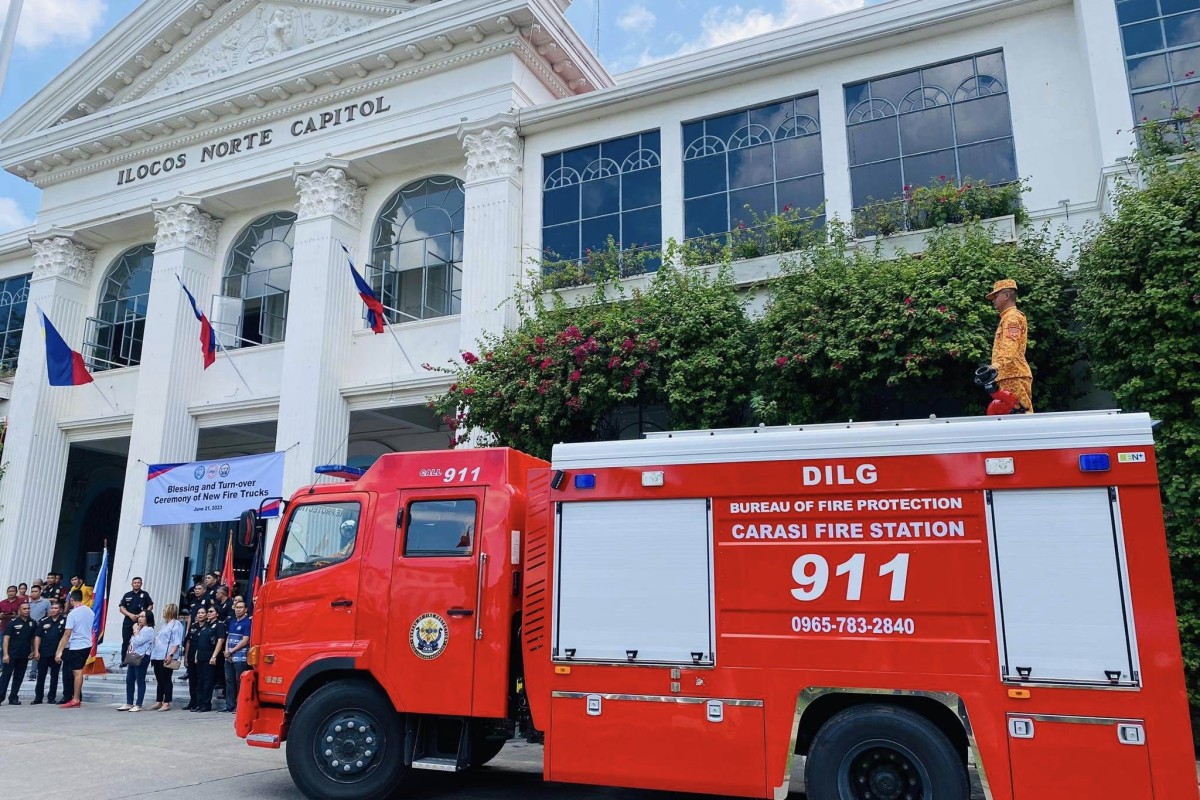
For Filipino entrepreneurs, OFWs returning to start a business, or small shop owners upgrading from “informal” to fully registered, understanding FSIC requirements early can save time, money, and a lot of stress during January renewal season.
Overview of fire safety inspection certificate
The Fire Safety Inspection Certificate is an official document issued by the BFP stating that your building or business has complied with the minimum fire safety standards under RA 9514 and its Implementing Rules and Regulations. It is required in two main situations:
- FSIC for occupancy – Before you occupy a newly constructed or renovated building or unit.
- FSIC for business permit – Required annually as part of your Mayor’s/Business Permit renewal.
Consultancy and compliance firms describe the FSIC as a “critical regulatory requirement” because it is directly tied to your legal right to operate and to your fire insurance coverage.
Which businesses are covered by the fire code
The Fire Code and BFP guidelines classify occupancies (types of buildings and uses) rather than just “big vs. small” businesses. In practice, almost all commercial activities fall under one of these categories. Below is a simplified view for typical Filipino entrepreneurs.
| Business Type | Risk Level | Typical Fire Safety Requirements |
|---|---|---|
| Sari-sari stores, kiosks, small offices | Low | Fire extinguisher, safe wiring, clear exits, basic signage |
| Carinderias, small restaurants, laundromats | Low to medium | Extinguishers, LPG safety, hood/duct cleanliness, no “octopus” wiring |
| Malls, BPO offices, factories, warehouses | Medium to high | Alarm systems, sprinklers, hydrants, emergency lights, evacuation plans |
| Schools, hospitals, dormitories | High | Comprehensive fire protection systems, drills, strict capacity control |
Why your specific business still needs an FSIC
Many small entrepreneurs ask, “Maliit lang naman ang tindahan ko, kailangan pa ba talaga?” Under RA 9514, the answer is almost always yes. The Fire Code applies to:
- Any building or structure used for business, assembly, storage, or public access.
- Any place where people gather, even if it is just a small eatery or mini-grocery.
A 10-square-meter sari-sari store with LPG for cooking and extension cords for freezers can still cause a serious fire in a dense barangay. That is why the BFP treats microbusinesses as “low-risk” but not “no-risk.”
Micro and home-based businesses
Examples: sari-sari store, online seller with a small stockroom, home-based bakery, milk tea kiosk, small laundry shop.
Basic requirements inspectors usually expect:
- At least one ABC dry chemical fire extinguisher of the correct size, with a valid service tag.
- No overloaded “octopus” wiring, no exposed splices, and use of proper circuit breakers.
- Clear path to the exit; no blocking of doors with stocks or freezers.
- Proper LPG cylinder placement (if applicable) with hose and regulator in good condition.
This setup suits hands-on owners who are present daily and can monitor safety—typical sari-sari store owners, tricycle drivers’ spouses running a small shop, or OFWs who converted part of their house into a mini-grocery.
Food and beverage establishments
Examples: carinderia, café, restaurant, bakery, commissary, food kiosk in a mall.
Additional requirements often checked:
- Kitchen hood and exhaust cleanliness to prevent grease fires.
- Safe LPG storage and piping, with no leaks and proper ventilation.
- Emergency lights and illuminated exit signs for larger dining areas.
- Clear separation of cooking area from customer seating and exits.
These businesses are best for owners comfortable with high-pressure, fast-paced environments—like former cooks, hotel staff, or OFWs from F&B who understand both kitchen operations and safety.
Commercial, industrial, and special occupancies
Examples: warehouses, factories, BPO offices, malls, schools, hospitals, dormitories.
Typical fire safety expectations:
- Fire alarm and detection systems, sprinklers, standpipes, and hydrants depending on size and use.
- Formal fire evacuation plans and drills.
- Dedicated fire exits, stairwells, and emergency lighting.
- Storage rules for flammable liquids, chemicals, or bulk materials.
These setups are better suited for entrepreneurs or corporations with technical teams, safety officers, and the budget to hire fire protection engineers. The BFP’s own summaries highlight that system requirements scale with occupancy type and floor area.
How the business one-stop shop works
Most LGUs now operate a Business One-Stop Shop (BOSS) every January, where you can process your Mayor’s Permit, BIR, and FSIC-related payments in one place. The usual flow looks like this:
- Submit your renewal form and previous year’s permits at city hall.
- Pay your local business tax and regulatory fees.
- Pay the fire safety inspection fee, usually a percentage of your business tax or based on floor area and risk classification.
- Wait for the BFP to schedule an on-site inspection.
For low-risk microbusinesses, some LGUs issue a conditional or temporary permit while the inspection is pending, but your permit is only fully valid once the FSIC is released. For higher-risk occupancies, the FSIC is strictly required before full approval.
What inspectors actually look for
While the Fire Code and its IRR are very detailed, most small business inspections focus on a few “make or break” items. Law and engineering summaries of RA 9514 highlight the same core themes: prevent ignition, control fuel, and ensure safe escape.
| Item | What Inspectors Check | Common Problems |
|---|---|---|
| Fire extinguishers | Correct type, size, location, and valid service tag | Expired units, no tag, blocked by shelves or boxes |
| Exits and pathways | Unobstructed doors and clear escape routes | Stock piled in front of doors, locked gates during business hours |
| Electrical safety | No overloading, proper breakers, no exposed wiring | “Octopus” extension cords, taped splices, undersized wires |
| Signage and lighting | Visible EXIT signs, emergency lights for larger spaces | No signage, non-functioning emergency lights |
For a sari-sari store owner in the province, this might mean simply clearing the path from the counter to the door, replacing old extension cords, and placing one serviced extinguisher near the exit. For a small restaurant, it could mean adding emergency lights and ensuring LPG tanks are outside or in a ventilated area.
Digital shift and online FSIC applications
The BFP has been rolling out the Fire Safety Inspection System (FSIS), allowing online applications and payments for FSIC in many regions. Through the FSIS portal, business owners can:
- Create an account and encode establishment details.
- Upload documents such as building permits, occupancy permits, and previous FSICs.
- Pay inspection fees electronically and track application status.
Some law and consulting firms note that this digitalization is part of a broader effort to streamline compliance and reduce face-to-face processing time for micro, small, and medium enterprises.For small entrepreneurs, this means less time queuing at the BFP office and more time running the actual business.
Costs, penalties, and practical realities
FSIC fees are generally based on the type of occupancy, floor area, and assessed value or business tax. For microbusinesses, the amount is usually modest—often a few hundred to a few thousand pesos per year—but it is mandatory.
Typical cost considerations
- Fire safety inspection fee (paid annually via LGU/BOSS).
- Purchase and annual servicing of fire extinguishers.
- Possible upgrades to wiring, signage, or emergency lights.
For a small sari-sari store or carinderia, budgeting around ₱3,000–₱8,000 per year for basic fire safety (extinguisher purchase/servicing plus fees) is realistic. For larger shops or offices, costs increase with size and system complexity.
Penalties for non-compliance
Under RA 9514 and its IRR, operating without a valid FSIC can lead to:
- Administrative fines that can reach tens of thousands of pesos depending on the violation and risk level.
- Suspension or revocation of your Mayor’s/Business Permit by the LGU.
- Possible criminal liability in cases of serious negligence leading to fire.
Law firm analyses emphasize that in the event of a fire, insurers may deny claims if the establishment lacks a valid FSIC or has clear violations of the Fire Code. For a small entrepreneur, that could mean losing not just the shop but also the capital invested in inventory and equipment.
Practical tips for Filipino entrepreneurs
Here are grounded, real-life strategies that work well for small business owners:
- Prepare before January – Schedule extinguisher servicing and basic electrical checks in November or December so you are ready when BOSS opens.
- Take photos of your setup – Clear exits, visible extinguishers, and tidy wiring can be documented and shown if your inspector asks for proof or if your LGU uses digital pre-screening.
- Train your staff – Even in a tiny shop, teach family members or helpers how to use the extinguisher and where the exit path is. A short drill can save lives.
- Think like a customer – If you were a parent with a child inside your store, would you feel safe? If the answer is “hindi masyado,” that’s your cue to improve.
For example, a tricycle driver’s wife running a sari-sari store can mount the extinguisher near the door, remove the extra boxes blocking the exit, and replace old brown extension cords with a proper power strip. A small BPO owner in a provincial city can invest in emergency lights and clear signage to reassure both inspectors and employees.
Conclusion
The Fire Safety Inspection Certificate is not just another bureaucratic hurdle—it is a core part of running a responsible, sustainable business in the Philippines. Whether you operate a tiny sari-sari store, a neighborhood laundry, or a growing office, complying with RA 9514 protects your customers, your staff, and your hard-earned capital.
By understanding your risk level, preparing the right equipment, keeping exits clear, and using the BOSS and FSIS systems wisely, you turn fire safety from a yearly headache into a manageable routine.
In a country where many communities are dense and fires spread quickly, your effort to secure and maintain an FSIC is not only a legal requirement—it is a concrete way of taking care of your neighborhood and your own long-term livelihood.