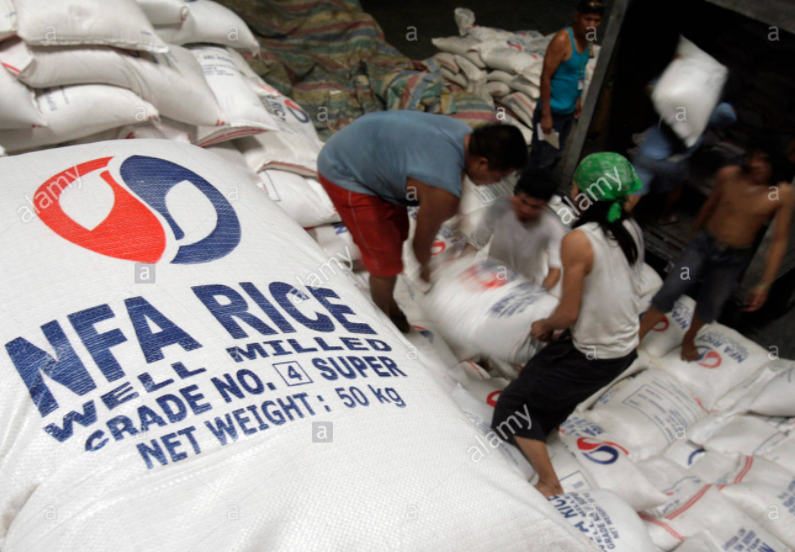
Rice is the staple food among Filipinos so if managed properly, it’s quite a stable business once a steady rice supplier is in place. Becoming an NFA rice dealer is an opportunity to supply this staple food among Filipinos.
If you wish to start a business selling rice or corn from the NFA, a prior license must be secured before commencing the business.
 Securing a license
Before the start in any of the business activity described as selling or distributing rice, the store proprietor or operator should first secure a license from NFA. For those who have already obtained license, they should renew their annual license on any day within their scheduled month allotted by the NFA.
Application for license will be filed at the NFA office that has jurisdiction over the location where the applicant’s primary business is located. If the business owner has more than one store outlet, these outlets, considered branches of the main outlet, should also secure license.
For new applicants, follow these procedures to apply for NFA license:
- Secure application form from the licensing officer upon payment of application fee;
- Accomplish and file application with complete requirements to the licensing officer who in turn checks the documents and determines corresponding license fee;
- Pay license fee to the cashier and get copy of official receipt;
- Prepare the facilities/equipment requirements for inspection by NFA Investigators;
- After inspection of establishments, present notice of inspection to the licensing officer, official receipt and proof of compliance with deficiencies, if any;
- Licensing officer issues license if application is found to be in order;
- Applicants should display the license in their establishments.
Upon submission of application, NFA investigators will inspect establishments and facilities within 20 working days. Those with deficiency are given specific dates when inspection will be conducted again upon provision of outstanding requirements. Otherwise, they will be notified when they can pick up their license. In all these cases, it should not exceed 20 working days after inspection.
Application fee
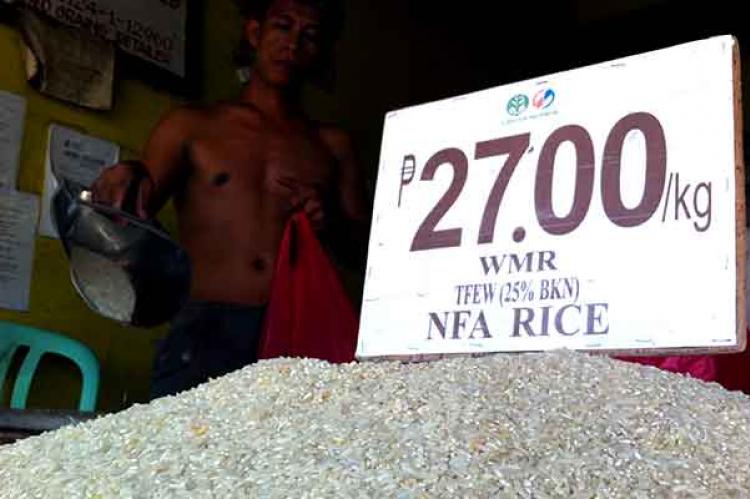
Application fee is P50 for a single line of activity and P100 for two or more activities. License fees depend upon the capacity of the post harvest equipment used.
More than just rice and corn outlets, NFA also requires the registration of facilities such as:
- motor vehicles used or intended to be used in transport/hauling of palay/ rice/corn whether for exclusive use or for hire except public utility vehicles franchised by proper government agencies not principally used for transporting rice/palay/corn;
- warehouses, threshers and sellers for own produce;
- mechanical dryers for owner’s/operators’ exclusive use;
- packaging machines for owner’s/operators’ exclusive use;
- institutions/establishments securing their rice/corn requirements from the NFA;
- poultry and hog raisers securing by-products from the NFA;
- manufacturers/importers/dealers and distributors of rice/corn post-harvest facilities;
- non-operating mills and other post-harvest facilities. In this case, registration is done only once.
All businessmen engaged in the following activities are required to have a license, to wit:
- retailing
- wholesaling
- milling
- warehousing
- corn shelling
- processing/manufacturing
- threshing
- exporting
- importing
- indenting
- packaging
- mechanical drying
Registration is done at the office of the NFA that has jurisdiction over the location of the principal business of the applicant. Registration fees are separate from that of the license fees.
If a business plans to cease operation, license or registration certificate can be surrendered to the NFA office along with a written notice of discontinuance. Otherwise, in case the business reapplies for a license or registration, it would be charged with the fees for the entire period that you have not applied for renewal.
Conclusion
Being a country with rice as staple food, being an NFA rice dealer is an attractive business proposition. As an alternative to the more expensive rice varieties in the market, good quality NFA rice and corn should provide a healthy dose of business opportunity.
FAQ: Becoming a Licensed NFA Rice & Corn Retailer
1. Why do I need an NFA license to sell rice or corn?
An NFA license ensures that rice and corn retailers follow proper standards on storage, pricing, labeling, and food safety. It also helps the government monitor supply and prevent illegal trading.
2. What types of NFA licenses are available?
The NFA issues licenses for retailers, wholesalers, millers, warehouses, and importers. For small businesses, the most common is the Retailer License for selling rice or corn to consumers.
3. What are the requirements to apply for an NFA retailer license?
Basic requirements include a filled-out application form, valid ID, business permit (DTI or SEC), Mayor’s Permit, BIR registration, and a sketch of your store location. Additional documents may be required depending on your business type.
4. How much is the NFA licensing fee?
Fees vary depending on business size and type, but small retailers typically pay an affordable annual fee. Penalties apply for late renewal or operating without a license.
5. How do I apply for an NFA rice or corn retailer license?
Submit your documents to the nearest NFA provincial office, pay the required fees, and undergo inspection. Once approved, you will receive your license and can legally start selling rice or corn.
6. How long does it take to get approved?
Processing usually takes a few days to a couple of weeks, depending on document completeness and inspection schedules. Early submission helps avoid delays.
7. What store standards does the NFA require?
Retailers must maintain clean storage, proper labeling, accurate weighing scales, and visible price tags. Rice must be stored in clean containers and protected from pests and moisture.
8. How often should I renew my NFA license?
The NFA license is renewed annually. Retailers must renew before the expiration date to avoid penalties and business interruptions.