A carinderia business may be one of the most labor‑intensive food ventures to operate. But it can also be one of the most rewarding and profitable small businesses in the Philippines — especially when managed well and located in a community with steady foot traffic.
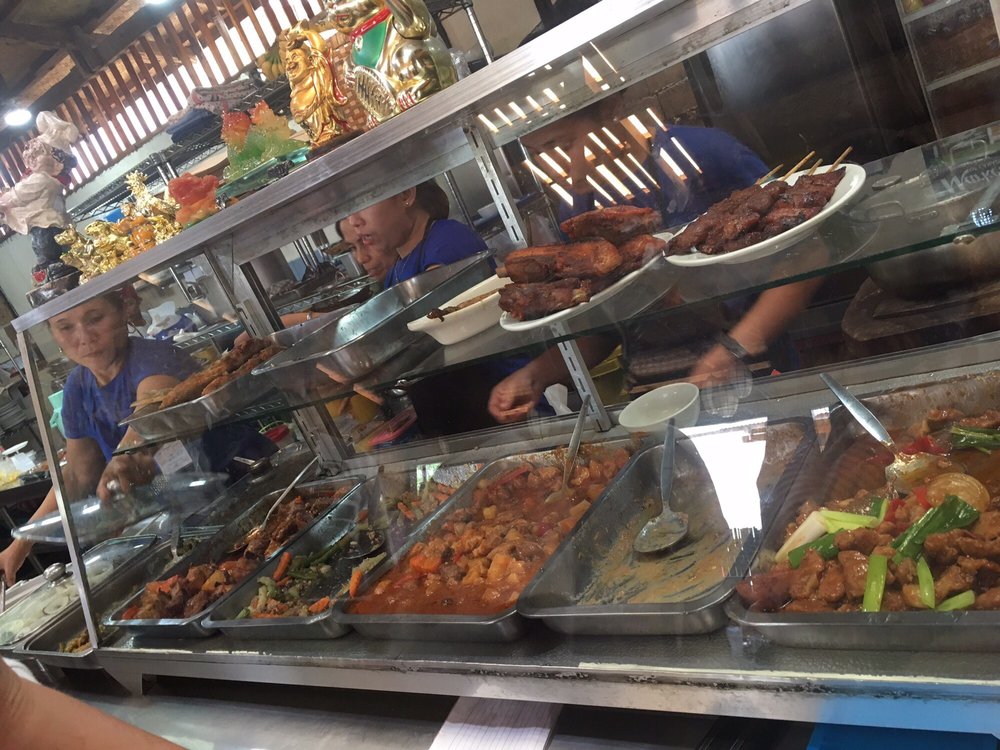
A local eatery — known as karinderya or turo‑turo — is a familiar sight across the country. Whether near markets, schools, terminals, or office buildings, a carinderia is never hard to find. And it’s not difficult to start one either. With accessible ingredients, basic cooking tools, and a small space, you can even begin your carinderia right at home.
Capital money
A small carinderia typically requires around ₱15,000 in startup capital. This covers two weeks’ worth of ingredients, basic cooking tools, business permit fees, fuel, and rental (if applicable). With an estimated net income of around ₱600 per day, many small carinderias break even within their second month of operations.
Cooking materials
If you plan to serve a variety of dishes — soups, stews, vegetables, fried items — you’ll need enough equipment to prepare, cook, and serve them efficiently. This includes multiple stoves, pots, pans, chopping tools, serving utensils, tables, chairs, barbecue grills, condiments, and storage containers. A well‑organized kitchen setup saves time and improves workflow.
Labor
Aside from the main cook, you may need dishwashers, cleaners, servers, or cashiers depending on customer volume. As your menu expands and your customer base grows, additional staff becomes necessary to maintain service quality.
Location
Location is critical. Carinderias thrive in areas with high foot traffic — near schools, terminals, markets, or office buildings. Even a home‑based carinderia can succeed if competition is low and your dishes attract loyal customers.
Dedication for work
Successful carinderia owners are highly dedicated. Many wake up as early as 2:00 AM to buy fresh ingredients, then spend the rest of the day preparing, cooking, serving, and cleaning. Consistency and hard work are essential.
Menu
Your menu should reflect customer preferences and ingredient availability. Some carinderias specialize in a few best‑selling dishes (e.g., lugaw, fried chicken, barbecue), while others offer rotating daily meals. Planning your menu weekly helps control costs and reduce waste.
Price
Pricing must balance affordability and profit. Consider ingredient cost, serving size, wastage, labor, utilities, and overhead. Offering value‑added perks like free soup or unlimited rice can attract more customers.
Do a market research
Before opening your carinderia, it’s crucial to understand your customers, competitors, and the food habits in your area. Market research helps you decide what to serve, how to price your meals, and how to position your business.
Below are essential questions to guide your research, along with explanations and real‑life examples:
- Why do people buy outside instead of cooking at home?
This reveals customer motivations. Office workers buy outside because they lack time. Students buy outside because it’s cheaper than fast food. If your area has many busy workers, offering fast, ready‑to‑serve meals becomes your advantage. - Which meal do people tend to eat outside?
Breakfast demand is high near factories; lunch demand peaks near schools and offices. If you’re near a call center, late‑night meals like silog or lugaw may be more profitable. - How many canteens, restaurants, or fast food chains are present in the area?
Count your competitors. If there are already many carinderias nearby, you must differentiate — better taste, cleaner setup, or unique dishes. - Can I compete with them? Do I need to be unique or follow what’s popular?
If nearby eateries already serve adobo and menudo, you can stand out with laing, Bicol express, or grilled dishes. But if customers prefer familiar meals, stick to classics. - Who is the strongest competition in the area?
Observe the busiest carinderia. Why do people choose them? Taste? Price? Cleanliness? Use this insight to improve your own offering. - What type of food do customers prefer to eat?
Students prefer budget meals (₱40–₱60). Office workers prefer healthier or “lutong-bahay” dishes. Drivers prefer heavy meals like silog. Tailor your menu accordingly. - What do I need to do to get customers?
This may include offering free soup, big portions, friendly service, or a clean dining area. Even small gestures like greeting customers warmly can build loyalty. - How do I promote my carinderia?
Promotion can be simple: a clean signboard, word of mouth, loyalty cards, or posting your daily menu on Facebook. Some carinderias offer “suki discounts” or free drinks. - Should I cook dinuguan, beef steak, and ginataang monggo or pork chop, Bicol express, and laing?
Choose dishes based on customer taste and your cooking strengths. If your area has many Bicolanos, spicy dishes may sell well. If your crowd prefers simple meals, stick to classic ulam. - If I am close to schools, should I offer student meals at reduced price?
Yes — students are price‑sensitive. Offering ₱40–₱50 meals or rice‑all‑you‑can promos can attract steady daily customers. - Is it a good idea to sell other items like load, snacks, or offer videoke?
Add‑ons can increase income. Selling mobile load, soft drinks, or snacks works well in high‑traffic areas. Videoke may work in residential areas but not near schools or offices. - How do I minimize food waste? Should I offer discounts during off‑peak hours?
Yes — offering end‑of‑day discounts helps avoid spoilage. You can also repurpose unsold food into new dishes (e.g., leftover chicken into fried rice), as long as it’s safe and fresh.
Doing proper market research helps you determine whether your carinderia is viable, what dishes to serve, how to price your meals, and how to promote your business effectively.
Purchase equipment
Once you confirm that a carinderia is viable in your chosen location, begin purchasing essential equipment:
- Kitchen tools (stove, frying pans, pots, etc.)
- Kitchen utensils (knives, peelers, chopping boards)
- Dining accessories (plates, glasses, spoons, forks, pitchers)
- Tables and chairs
- Refrigerators — often available on loan from soft drink suppliers
Register business
Business registration can be done while setting up your carinderia. Local government units may require sanitary permits, health certificates, garbage disposal compliance, and other documents.
Find trusted staff
Reliable staff are essential to smooth operations. If you cannot offer high salaries, consider non‑monetary benefits such as free meals, SSS membership, reasonable working hours, and paid leaves. Treat them well and empower them — loyal staff help build a loyal customer base.