- The van rental industry is booming in 2026 due to domestic tourism, digital nomads, and corporate mobility needs.
- Van rental is NOT the same as car rental — it requires LTFRB and DOT compliance to operate legally.
- Your business model determines your permits, insurance, and operational costs.
- With the right systems, a single van can generate steady income from airport transfers, tours, and corporate contracts.
Van rental is one of the most in‑demand transport businesses in the Philippines today. Families traveling to the province, barkadas going on road trips, balikbayans needing airport transfers, and companies shuttling employees all rely on vans. But unlike a simple car rental, a van used for commercial transport must follow strict LTFRB and DOT regulations.
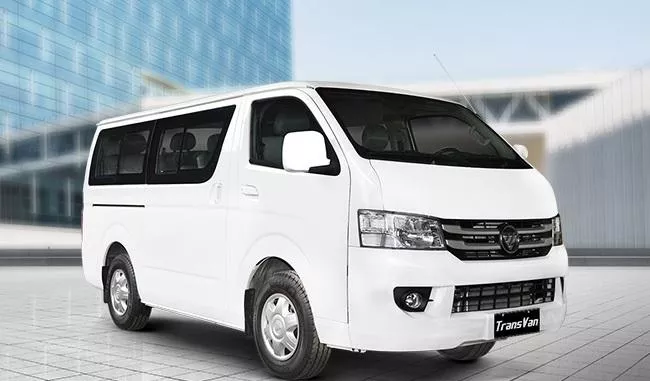
Define your business model
Your business model determines your permits, insurance, and operational risks. Before buying a van, decide which model fits your goals.
Self‑drive rental
High demand for barkada trips and family vacations. However, it carries higher risks:
- Vehicle misuse
- Accidents due to unfamiliar drivers
- Higher insurance premiums
Best for: Owners with strong GPS monitoring and strict rental contracts.
With driver (tourist transport)
The most common and profitable model. Ideal for:
- Airport transfers
- City tours
- Long‑distance “hatid‑sundo” services
Benefits:
- Better vehicle care
- Higher rates
- DOT accreditation eligibility
Corporate lease
Long‑term contracts with companies to shuttle employees.
Pros:
- Stable monthly income
- Predictable routes
- Lower marketing costs
Cons:
- Lower per‑trip earnings
- Stricter service level expectations
Legal and registration roadmap
Van rental is heavily regulated. To avoid colorum operations, follow this three‑stage process.
Step 1: Primary registration
- DTI or SEC Registration: Register your business name.
- Mayor’s Permit: Requires:
- Proof of Garage (photos + land title/lease)
- Barangay Clearance
- Fire Safety Inspection Certificate
- BIR Registration: Under the EOPT Act, you must issue Sales Invoices for all bookings.
Tip: LTFRB will not process your franchise if your garage is on a public road.
Step 2: LTFRB franchise (CPC)
To legally charge for transport, you need a Certificate of Public Convenience (CPC) under the category:
Tourist Transport Service
Key requirements:
- Unit Age: Vans must generally be no older than 5 years from manufacture.
- Financial Capability: Bank certificate showing at least ₱50,000 per unit.
- PAMI Insurance: Passenger Accident Management and Insurance.
- Vehicle Inspection: LTFRB inspection for safety and roadworthiness.
2026 update: LTFRB now accepts online submissions, but a formal hearing is still required.
Step 3: DOT accreditation
Mandatory for tourist transport franchises.
Benefits:
- Allows airport and hotel pickups
- Qualifies you for CREATE MORE tax incentives
- Boosts credibility with foreign tourists
Estimated startup costs (per unit)
| Item | Estimated Cost (₱) | Notes |
|---|---|---|
| Van Downpayment | ₱250,000 – ₱450,000 | For 12–15 seater (Hiace, NV350) |
| Comprehensive Insurance | ₱35,000 – ₱50,000 | Must include Acts of Nature + Passenger Liability |
| LTFRB/DOT Fees | ₱15,000 – ₱25,000 | Includes filing fees and legal notices |
| GPS & Dashcam | ₱5,000 – ₱10,000 | Required for safety and insurance claims |
| Total Initial Capital | ₱305,000 – ₱535,000 | Excludes monthly amortization |
Operational speed hacks for 2026
The boundary vs. salary system
If you provide a driver, you can choose:
- Boundary System: Driver pays you a fixed daily fee and keeps the rest.
- Salary + Commission: Better vehicle care and customer service.
Most 2026 operators prefer Salary + Commission for long‑term sustainability.
Digital booking
Don’t rely on Facebook Messenger alone. Use:
- WhatsApp Business
- Viber Business
- Google Calendar for scheduling
Create a simple catalog showing:
- Rates
- Routes
- Van photos
- Driver profile
GPS monitoring
In 2026, real‑time GPS with engine shutoff capability is standard to prevent “rent‑tangay” schemes.
Benefits:
- Track speed and routes
- Prevent unauthorized trips
- Lower insurance premiums
Marketing: where the tourists are
Google Maps and Waze
Pin your garage or office. Tourists often search “van rental near me” upon landing.
Klook and TripAdvisor partnerships
List your service as a “Private Transfer” option to reach international travelers.
The suki referral system
Offer 5–10% referral incentives to:
- Hotel receptionists
- Airbnb hosts
- Tour guides
These partners can send you consistent bookings.
Critical mistake to avoid
Operating without an LTFRB franchise — known as “colorum” — is extremely risky.
2026 penalties:
- ₱200,000 fine
- 3‑month impoundment
- Possible criminal charges
Never accept paid bookings until your CPC is approved.
Conclusion
A van rental business is one of the most profitable transport ventures in the Philippines — but only if done legally and professionally. With domestic tourism booming and digital nomads exploring the country, demand for safe, reliable transport continues to grow.
Here’s your action plan:
- Choose your business model (self‑drive, with driver, or corporate lease).
- Register with DTI/SEC, LGU, BIR, LTFRB, and DOT.
- Invest in insurance, GPS, and a reliable driver.
- Build your digital presence on Maps, Waze, and booking platforms.
- Protect your business from colorum penalties by securing your CPC early.
With the right systems, your van rental business can become a steady, long‑term income source — perfect for OFWs, retirees, and entrepreneurs looking for a scalable transport venture.
FAQ: Starting and Managing a Van Rental Business in the Philippines
1. Is a van rental business profitable?
Yes. Van rental is profitable due to strong demand for airport transfers, family trips, corporate travel, and tourism. Earnings depend on location, van condition, and marketing, but many operators earn ₱2,000–₱6,000 per day per unit.
2. How much capital do I need to start a van rental business?
Capital varies depending on the vehicle. A second-hand van may cost ₱450,000–₱900,000, while brand-new units range from ₱1.2M–₱2M. Additional costs include registration, insurance, maintenance, and branding.
3. What type of van is best for rental services?
Popular choices include Toyota Hiace, Nissan Urvan, and Hyundai Starex due to their reliability, seating capacity, and availability of spare parts. Fuel-efficient models help reduce operating costs.
4. What permits do I need for a van rental business?
Basic requirements include DTI Business Name Registration, Barangay Clearance, Mayor’s Permit, and BIR Certificate of Registration. If operating as a transport service, LTFRB accreditation may be required depending on your business model.
5. How much can I charge for van rental services?
Rates vary by location and destination. Local city trips may range from ₱1,500–₱3,000, while out-of-town trips range from ₱4,000–₱10,000 depending on distance, fuel, and driver fees.
6. Do I need a dedicated driver for my van rental business?
Most operators provide a driver for safety and convenience. Self-drive rentals are possible but require stricter screening, higher deposits, and additional insurance coverage.
7. What are the biggest expenses in a van rental business?
Major expenses include fuel, maintenance, insurance, repairs, and driver fees. Regular preventive maintenance helps avoid costly breakdowns and keeps the van in good condition.
8. How can I market my van rental business?
Promote through Facebook Marketplace, travel groups, Google Maps, and partnerships with hotels, travel agencies, and event organizers. Clear pricing and fast response times help attract more bookings.