- Headline inflation may look “low,” but small businesses feel the deeper impact of rising utilities, raw materials, and wages.
- MSMEs are hit harder because they lack bulk‑buying power and have thinner margins.
- Consumer behavior in 2026 has shifted toward value, essentials, and tingi purchases.
- Government programs exist, but business owners still need practical survival strategies to stay profitable.
Inflation is more than a number on the news — it’s a daily operational challenge for Filipino small business owners. Even if the official inflation rate sits at around 2.4% as of February 2026, many MSMEs feel like prices are rising much faster. That’s because small businesses experience inflation differently: they buy in smaller quantities, pay higher per‑unit costs, and operate with limited cash flow.
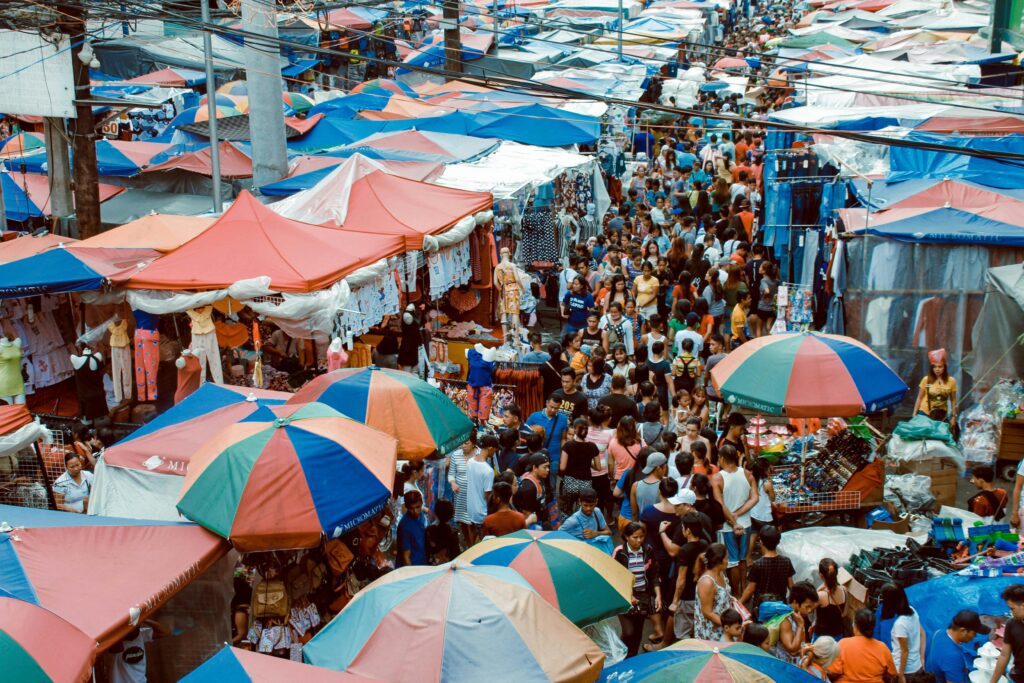
The triple squeeze on MSMEs
Inflation hits small businesses from three directions: inventory, utilities, and labor. This “triple squeeze” makes it harder to maintain margins without losing customers.
Inventory and supply chain volatility
Small businesses don’t have the bulk‑buying power of supermarkets or large distributors. When prices rise, MSMEs feel it immediately.
Key pressures:
- Base effect: Because 2025 had relatively low inflation, the 2026 rebound feels sharper.
- Food inflation: Rice, vegetables, and cooking oil have seen gradual price increases — hitting carinderias, bakeries, and food processors hardest.
- Import costs: With the Philippine peso testing ₱59.50–₱61.00 per USD, anything imported (flour, packaging, spare parts) becomes more expensive.
Real‑life example: A small bakery in Bulacan reported a 12% increase in flour costs due to exchange rate fluctuations, forcing them to adjust portion sizes.
Surging utility overheads
Housing, water, and electricity inflation rose to around 3.5% in February 2026. For MSMEs, utilities are unavoidable fixed costs.
Electricity:
- Meralco and regional cooperatives implemented rate hikes averaging ₱0.22/kWh in early 2026.
- Cold storage, freezers, and exhaust fans now cost more to operate.
Water:
- March 2026 FCDA adjustments increased tariffs for both Manila Water and Maynilad.
- Water‑heavy businesses — laundromats, car washes, carinderias — feel the impact immediately.
Example: A laundromat in Quezon City saw a ₱600–₱900 increase in monthly water bills after the tariff adjustment.
Labor and wage pressure
Minimum wage adjustments averaging 5.5% for 2026 help workers cope with rising living costs — but they also increase payroll expenses for small employers.
For MSMEs with 2–5 staff, even a ₱30–₱50 daily increase per worker adds up quickly.
Example: A small eatery with four staff members now spends an additional ₱3,000–₱4,000 per month on wages.
Changes in consumer behavior
Inflation doesn’t just affect business costs — it changes how customers spend.
Filipinos are becoming value‑centric
Consumers are prioritizing necessities over discretionary purchases. Essentials like food, utilities, and transportation take up a larger share of household budgets.
This means:
- Less impulse buying
- More price comparison
- Higher sensitivity to portion size and quality
The tingi surge
As budgets tighten, Filipinos return to micro‑purchases. This affects everything from shampoo to ulam portions. Businesses that don’t offer smaller, more affordable options often see a drop in transaction volume.
Example: A carinderia in Pasay introduced ₱35 “mini‑ulam” portions and saw a 17% increase in daily customer count.
Government support and mitigation
The government has rolled out several programs to help MSMEs manage inflationary pressures.
Increased capitalization for SBCorp
The Small Business Corporation received an additional ₱1 billion for 2026 to provide:
- Collateral‑free loans
- Low‑interest financing
- Recovery loans for inflation‑affected MSMEs
Shared Service Facilities (SSF)
A ₱569 million budget was allocated to help MSMEs access modern machinery without buying it themselves.
Examples:
- Food processing equipment
- Packaging machines
- Cold storage
This reduces production costs and improves product quality.
CREATE MORE Act incentives
The 2026 CREATE MORE Act provides enhanced tax deductions for:
- Power expenses
- Labor expenses
- Research and development
For registered businesses, these deductions help offset inflation‑driven cost increases.
Strategic inflation survival checklist
| Area | Action Item | Benefit |
|---|---|---|
| Pricing | Use shrinkflation carefully — reduce portion size slightly instead of raising prices | Keeps entry‑level prices attractive |
| Energy | Switch to LED lighting and enforce a strict power‑off schedule | Lowers electricity bills |
| Sourcing | Shift to local “Tatak Pinoy” suppliers | Reduces exposure to Peso‑Dollar volatility |
| Payments | Use digital wallets to track cash flow | Prevents leakage and improves accounting accuracy |
Conclusion
Inflation affects every Filipino business — but it doesn’t affect all businesses equally. MSMEs feel the pressure more intensely because they operate with smaller buffers, smaller inventories, and smaller margins. But with the right strategies, small businesses can stay resilient.
Here’s your action plan:
- Monitor your costs weekly, not monthly
- Offer value‑driven portions and tingi options
- Shift to local suppliers where possible
- Use digital tools to track every peso
- Explore government programs that reduce your cost burden
Inflation is a challenge — but it’s also an opportunity to streamline operations, strengthen customer loyalty, and build a more resilient business. With smart adjustments, your small business can thrive even in a high‑cost environment.
FAQ: Inflation and Small Business Survival in the Philippines
1. What is inflation and why does it affect small businesses?
Inflation is the rise in prices of goods and services over time. For MSMEs, it increases the cost of supplies, utilities, labor, and logistics—directly reducing profit margins.
2. Which small businesses are most affected by inflation?
Food businesses, sari-sari stores, carinderias, retail shops, and service providers with high supply or utility usage feel inflation the most.
3. How does inflation affect pricing?
Suppliers raise their prices, forcing small businesses to adjust retail prices or reduce margins. Frequent price changes can also affect customer loyalty.
4. Why do utilities become more expensive during inflation?
Fuel price hikes increase the cost of electricity generation and logistics. This raises electricity, LPG, and transport expenses for MSMEs.
5. How does inflation affect customer behavior?
Customers buy fewer non-essential items, switch to cheaper brands, and become more price-sensitive. This reduces sales volume for many MSMEs.
6. Should small businesses increase prices during inflation?
Yes, but gradually and strategically. Use smaller price increments, offer budget-friendly options, and communicate changes clearly to customers.
7. How can MSMEs reduce the impact of inflation?
Buy in bulk, negotiate with suppliers, track inventory closely, reduce waste, optimize energy use, and adjust menus or product lines.
8. How can small businesses maintain profitability during high inflation?
Improve efficiency, focus on best-selling items, adjust portion sizes responsibly, diversify suppliers, and adopt digital tools for monitoring costs.