- A cheap rental is never worth it if the location kills your foot traffic and food quality.
- Heat, smell, and hidden competitors can quietly destroy your daily sales.
- Carinderias succeed when they sit on the right side of the road, near the right people, at the right time of day.
Every carinderia owner has a story about a location that looked perfect on paper but turned into a daily struggle. Maybe the rent was cheap, maybe the landlord was friendly, or maybe the space looked “okay” during your first visit. But once the lunch rush came, the problems appeared — heat, smell, foot traffic, zoning issues, or a hidden competitor you didn’t know existed.
If you’re planning to open a carinderia, learning from these mistakes can save you thousands of pesos and months of frustration. Here are the location lessons I’ll never ignore again.
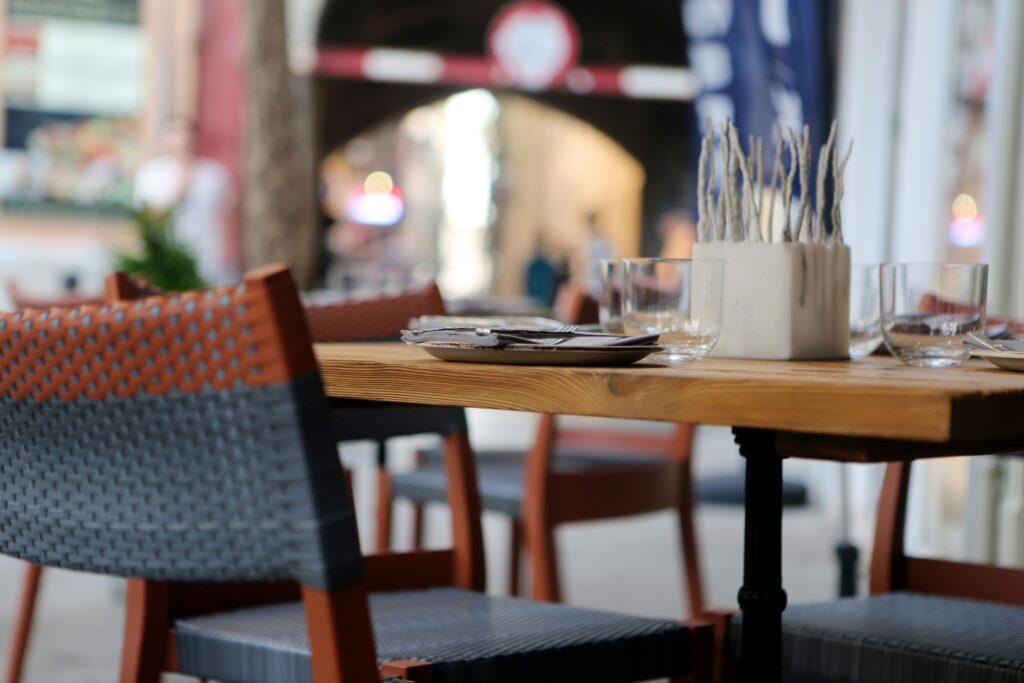
The sun‑facing trap
One of the biggest mistakes is choosing a west‑facing space — the side that absorbs the afternoon sun. By 11:30 AM, just as customers are lining up, the entire place turns into a furnace.
When the temperature rises:
- Food spoils faster
- Customers eat quickly or avoid the place entirely
- Your staff gets exhausted faster
- Your electricity bill skyrockets from fans running all day
A hot carinderia is likely an empty carinderia. Customers want comfort, especially when eating hot meals like sinigang or adobo.
The fix is simple: choose an east‑facing spot or invest in proper ventilation — industrial fans, high ceilings, and open windows. A cool dining area increases customer stay time and repeat visits.
Ignoring the walking side of the road
Many owners choose a location based on vehicle traffic. But cars don’t buy lunch — people do. And in the Philippines, foot traffic is not evenly distributed on both sides of the road.
Commuters usually walk on the side closest to:
- Jeepney stops
- Tricycle terminals
- Pedestrian crossings
If your carinderia is on the “wrong” side, people will simply walk past the other side and never cross over.
The best way to check is to stand at the location for three days and count how many people walk past between 11:00 AM and 1:00 PM. If the crowd is on the opposite sidewalk, that’s where your carinderia should be.
The hidden competitor: the workplace canteen
Seeing a large office or factory nearby can make you think you’ve found a goldmine with a steady flow of workers making their lunch breaks into your carinderia. But also be aware that many companies provide free or subsidized meals inside their own canteen.
If you don’t check this, you may end up fighting for the tiny percentage of employees who prefer to eat outside.
The fix is simple: talk to the employees. Ask them:
- Where do you usually eat lunch
- Does your company have a canteen
- Do you get free meals
A five‑minute conversation can save you from a five‑year mistake.
Underestimating the smell of the surroundings
Appetite is heavily influenced by smell. Even if your food is delicious, customers will avoid your carinderia if the surrounding area smells unpleasant.
Common smell and pollution hazards include:
- Stagnant drainage canals
- Garbage collection points
- Nearby construction sites
- Flood‑prone areas that smell after rain
The fix: visit the location after a heavy rain. If the smell becomes unbearable, walk away. No amount of marketing can overcome a bad odor.
Failing to check zoning and PMO rules
Some buildings look perfect — clean, modern, and affordable. But many residential or mixed‑use buildings have strict rules against heavy cooking.
Common restrictions include:
- No LPG tanks allowed
- No charcoal grilling
- No heavy fumes
- No external exhaust systems
If you ignore this, you may be forced to use electric stoves, which are expensive to operate and will destroy your margins.
The fix: always get a written “No Objection” letter from the Property Management Office (PMO) before signing the lease.
Location audit checklist
Before committing to any space, evaluate it using this simple checklist:
- Foot Traffic Density: At least 20–30 potential customers walking by every 10 minutes during lunch
- Proximity to Anchors: Schools, hospitals, terminals, churches, or offices
- Ease of Access: No steep stairs, no confusing entrances
- Security: Well‑lit area, safe for evening customers
- Utility Stability: Reliable water supply and minimal power interruptions
A carinderia cannot survive without water — dishwashing, cooking, and cleaning all depend on it.
Summary table: good vs bad location traits
| Feature | The Danger Zone | The Gold Mine |
|---|---|---|
| Visibility | Hidden behind posts or parked vehicles | Clear view from the main sidewalk |
| Neighbors | Another carinderia with a long head start | Complementary shops like sari‑sari stores or lotto outlets |
| Street Side | Going‑home side (people are rushing) | Going‑to‑work side (people are buying lunch) |
| Ventilation | Narrow tunnel‑type spaces | Corner lots with cross‑ventilation |
Conclusion and action plan
A cheap rental can become the most expensive mistake you’ll ever make if it costs you half your potential customers. Location determines your foot traffic, your food quality, your comfort level, and ultimately your daily income.
Before signing any lease:
- Visit the location at 12:00 noon on a regular Tuesday
- Visit again at 12:00 noon on a payday Friday
- Observe the heat, the smell, and the foot traffic
- Talk to nearby workers and residents
- Check zoning and PMO rules
If the crowd isn’t there, neither should your carinderia be. Choose wisely, and your location will work for you — not against you.