Running a carinderia business in the Philippines remains one of the most resilient food ventures — surviving inflation, pandemic lockdowns, and fierce competition from fast-food chains. The reason is simple: customers visit their favorite carinderia for practical reasons. Many don’t have the time or energy to cook at home. Others aren’t confident in their kitchen skills. Some want to avoid the wet market, the lines, and the prep work altogether.
For many households, cooking equipment is incomplete, the kitchen is too small, or the LPG tank runs out at the worst possible moment. In these situations, the carinderia becomes the most convenient and reliable option. But beyond convenience, a deeper habit forms — customers get used to the rhythm of scanning the ulam choices, picking what to eat, and paying an amount they already expect. Once that habit forms, it’s hard to break.
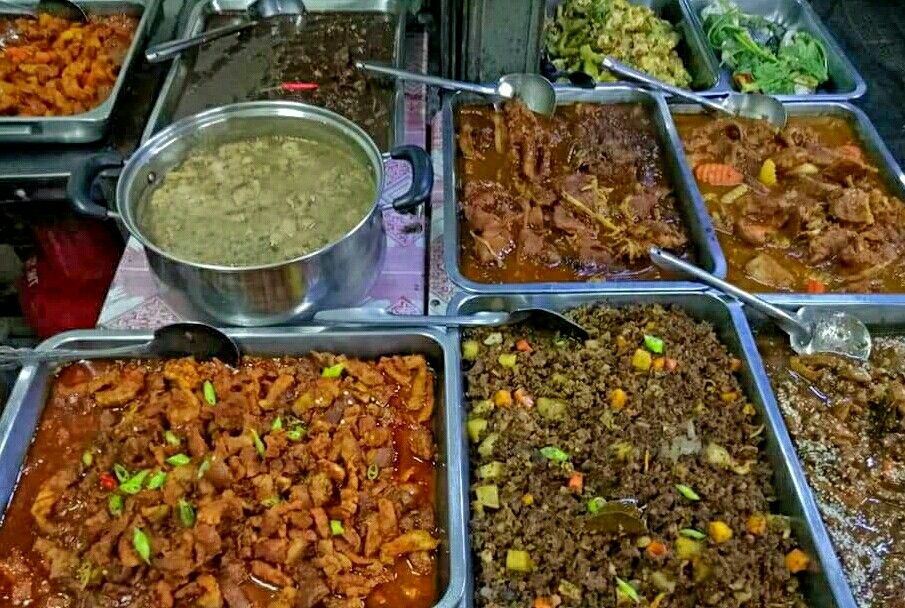
This guide is the most comprehensive 2026 carinderia menu and costing resource on PinoyNegosyo.net. It covers 143 dishes across 12 categories, a complete 7-day weekly menu rotation, ingredient costs and suggested SRPs benchmarked against the DTI Suggested Retail Price (SRP) bulletin and Q1 2026 wet market price boards, a downloadable PDF menu sheet and Excel costing workbook, the standard PH carinderia food-cost framework (30-35% food cost, 25% labor, 20% overhead, 5-8% wastage, 30% target profit), and a pricing strategy section that explains how to set prices that actually earn.
Whether you’re launching a new eatery or improving an existing one, use the lists and tools below to plan your daily ulam line-up, tame food cost, and build a menu that customers come back for. (Already running a sari-sari store on the side? See the companion 2026 sari-sari store price list.)
- Why carinderias still thrive in 2026
- How to plan a carinderia menu
- Free downloads: PDF menu sheet + Excel costing workbook
- 7-day weekly menu rotation
- Top 20 most-profitable carinderia dishes
- Fast-moving dishes (high turnover)
- Complete menu database (143 dishes, 12 categories)
- Food costing framework
- Pricing strategy and markup guide
- Frequently asked questions (15)
Why carinderias still thrive in 2026
There are no formal surveys here — just decades of observation from Filipino eaters and operators. Customers keep coming back for reasons that no fast-food chain has fully replicated.
The taste is familiar
“Sabaw pa lang, ulam na” is the phrase that captures it. People are loyal to certain carinderias because the food tastes like home, the preparation is trusted, and the place has a reputation for clean handling. Familiarity beats novelty almost every time.
The food is cheap
“Nairaos ang petsa de peligro” — a statement from any cash-strapped worker who stretched the budget through the last days of the month. A cup of rice, an ulam, and a glass of water already fills a hungry tummy. According to operator interviews and Reddit discussions in r/Philippines, a typical carinderia meal in Metro Manila and most urban centers still falls in the ₱50-100 range in 2026 — well below the ₱150-250 fast-food combo.
The location matches the customer
Carinderias serve dishes based on where they sit and who walks past. Pampanga’s carinderias lean on sisig. Cebu has lechon. Ilocos has bagnet. Eateries near the sea push fresh seafood. If unlimited rice is on offer, the working-class crowd will come.
The rhythm fits a Filipino workday
Customers scan the ulam choices, pick two viands, get a cup of rice, sit down, and pay an amount they already expect. The whole transaction takes 2 minutes. For tricycle drivers, construction workers, students, and call-center agents on break, that speed is the entire value proposition.
How to plan a carinderia menu
Before listing dishes, decide what you are actually selling. A 12-seat eatery in a barangay corner is not the same business as a 4-table office-lunch spot in Makati. Use these three lenses to plan.
1. The weather and the season
Comfort food matches the mood, and the mood is often dictated by the weather. Hot days move nilagang baka, tinolang manok, and sinigang slower than they would on a rainy evening. Fried, dry dishes like tapsilog, liempo, and lumpia move faster on hot days. During Holy Week, switch to fish, vegetable, and pasta dishes — meat goes untouched. During payday week (15th and end of month), premium items like beef caldereta, lechon kawali, and crispy pata sell out first.
2. The location and the customer
A carinderia near a school sells rice meals, silog combos, and merienda items (siomai, lumpiang shanghai, fishball, taho). A carinderia near a transport hub sells fast-movers (adobo, menudo, tinola) and grab-and-go ulam. A carinderia near offices needs ₱80-120 ulam-rice combos served fast between 11:30 AM and 1:30 PM.
3. Cost, prep time, and shelf life
Every dish on the menu must earn its place. A ₱200-cost batch that yields 10 servings at ₱25 SRP earns a poor margin and ties up burner space. A ₱350-cost batch that yields 20 servings at ₱35 SRP — like classic pork adobo — earns 50%+ margin, holds well for 6 hours on the steam table, and reheats without breaking. Build the menu around dishes that cook in bulk, hold their texture, and reheat well.
The complete menu database below labels every dish with these flags so you can choose by use case.
Free downloads: 2026 carinderia menu sheet + costing workbook
- 📄 PinoyNegosyo.net 2026 Carinderia Menu Ideas (PDF) — 143 dishes with ingredient cost, suggested SRP, margin %, prep time, and 7-day weekly rotation. Print-ready.
- 📊 PinoyNegosyo.net 2026 Carinderia Costing Workbook (Excel) — Master menu sheet with live margin formulas, weekly rotation planner, daily food cost tracker, sales log, wastage log, top-margin dish list, and supplier directory.
Last updated: June 2026. Prices benchmarked against DTI BNPC SRP (Feb 2025), Q1 2026 wet market price boards in Quezon City, Cebu, and Davao, and PH carinderia operator interviews via r/Philippines and Facebook groups.
7-day weekly menu rotation
This is a sample weekly rotation we use in our planning workbook. It balances cost (heavier meat dishes on payday-adjacent days, budget dishes mid-week), prep complexity (alternating fried, stewed, and grilled), and customer fatigue (no dish repeats within 3 days).
| Day | Theme | Suggested 7 ulam line-up |
|---|---|---|
| Monday | Restock day — keep menu lean since suppliers haven’t delivered fresh stock yet | Adobong Baboy (classic pork adobo), Adobong Manok, Galunggong, Fried, Tinolang Manok, Ginisang Munggo, Ginisang Pechay, Pancit Bihon Guisado |
| Tuesday | Mid-week comfort — heartier dishes as customers settle into the work week | Pork Menudo, Chicken Afritada, Tilapia, Fried, Sinigang na Baboy (sampalok), Pinakbet, Adobong Kangkong, Pancit Canton |
| Wednesday | Variety day — introduce a regional specialty to keep regulars curious | Pork Giniling (Picadillo), Chicken Curry, Beef Pares (Filipino braised), Mami (chicken noodle), Chopsuey, Tortang Talong, Sotanghon Guisado |
| Thursday | Soup-day specials — pre-payday savings mode for regulars | Dinuguan (pork blood stew), Chicken Inasal (Bacolod), Bangus (milkfish) Sinigang, Sopas (chicken macaroni), Laing (taro leaves in coconut milk), Adobong Sitaw, Pancit Habhab (Lucban) |
| Friday | Payday Friday — bring out the festive ulam; customers spend more | Pork Sisig (Pampanga style), Fried Chicken (Filipino-style), Beef Caldereta, Bulalo (beef bone marrow), Pinakbet, Lumpiang Togue, Pancit Palabok |
| Saturday | Weekend BBQ + paluto — families and weekend workers | Pork BBQ (skewered), Chicken BBQ, Lechon Kawali (crispy pork belly), Sinigang na Baboy (sampalok), Ensaladang Talong (eggplant salad), Atchara (papaya pickle, side), Spaghetti (Filipino-style sweet) |
| Sunday | Family day — slow-cooked specials, lighter on quantity but higher ticket | Pata Tim (braised pork hock), Chicken Caldereta, Beef Kare-Kare (oxtail/tripe), Tinolang Manok, Ginisang Upo with Hipon, Ginataang Kalabasa with Shrimp, Pancit Malabon |
Aim for 6-8 ulam options per day — fewer than 5 looks bare, more than 9 risks wastage. Always include at least one veggie dish and one soup.
Top 20 most-profitable carinderia dishes
These dishes deliver the highest gross margin per serving in the database. Most are small-cost / high-perceived-value items — beverages, merienda, and add-on sides — that you should always have available. The big-margin lesson: volume on small items beats thin margin on big items.
| Dish | Category | Cost/serving | SRP | Margin |
|---|---|---|---|---|
| Brewed Coffee (per cup) | Beverages | ₱2.50 | ₱20.00 | 88% |
| Lumpiang Shanghai (per piece, 6pcs/order) | Fried & Grilled Favorites | ₱10.00 | ₱50.00 | 80% |
| Mango Juice (powder mix, per glass) | Beverages | ₱5.00 | ₱20.00 | 75% |
| Plain rice (per cup) | Rice Meals & Silog | ₱4.00 | ₱15.00 | 73% |
| Siomai (3pcs) | Merienda (3 PM-5 PM) | ₱8.00 | ₱30.00 | 73% |
| Coffee 3-in-1 (sachet) | Beverages | ₱4.00 | ₱15.00 | 73% |
| Adobong Kangkong | Vegetable Mains | ₱5.60 | ₱20.00 | 72% |
| Iced Tea (homemade, per pitcher 8 glasses) | Beverages | ₱5.62 | ₱20.00 | 72% |
| Garlic rice / sinangag (per cup) | Rice Meals & Silog | ₱6.00 | ₱20.00 | 70% |
| Sago’t Gulaman | Merienda (3 PM-5 PM) | ₱6.00 | ₱20.00 | 70% |
| Sago’t Gulaman (per glass) | Beverages | ₱6.00 | ₱20.00 | 70% |
| Pandesal + Coffee combo | Breakfast Specials (5:30 AM-9 AM) | ₱8.00 | ₱25.00 | 68% |
| Hot Chocolate / Milo (per glass) | Beverages | ₱8.00 | ₱25.00 | 68% |
| Ginisang Pechay | Vegetable Mains | ₱6.67 | ₱20.00 | 67% |
| Ginisang Sayote | Vegetable Mains | ₱7.50 | ₱20.00 | 62% |
| Adobong Sitaw | Vegetable Mains | ₱7.50 | ₱20.00 | 62% |
| Ginisang Munggo | Vegetable Mains | ₱9.60 | ₱25.00 | 62% |
| Lugaw (plain rice porridge) | Soups & Stews | ₱6.00 | ₱15.00 | 60% |
| Leche Flan (per serving) | Merienda (3 PM-5 PM) | ₱14.00 | ₱35.00 | 60% |
| Camote-cue (skewered fried sweet potato) | Merienda (3 PM-5 PM) | ₱4.00 | ₱10.00 | 60% |
Fast-moving carinderia dishes (high turnover)
These dishes sell out fastest in most carinderias because they’re familiar, cheap, and reheat well. Always have at least 5-6 of these on the steam table:
Adobong Baboy (classic pork adobo), Pork Menudo, Pork Sinigang sa Sampalok, Pork Giniling (Picadillo), Pork Sisig (Pampanga style), Pork BBQ (skewered), Adobong Manok, Chicken Tinola, Fried Chicken (Filipino-style), Chicken Afritada, Chicken Inasal (Bacolod), Chicken BBQ, Bistek Tagalog, Beef Pares (Filipino braised), Tapsilog Toppings (beef tapa).
If you only have burner space for 6 ulam per service, pick 4 fast-movers + 1 veggie + 1 soup. That mix covers 80% of customer orders without the prep complexity of a wider menu.
Complete carinderia menu database
Jump to: Pork Mains • Chicken Mains • Beef Mains • Seafood Mains • Vegetable Mains • Soups & Stews • Noodles & Pancit • Rice Meals & Silog • Fried & Grilled Favorites • Breakfast Specials (5:30 AM-9 AM) • Merienda (3 PM-5 PM) • Beverages
Every dish below shows batch yield (servings produced per batch), batch ingredient cost (Q1 2026 wet market + supermarket benchmarks), cost per serving, suggested SRP, gross margin, prep time, and behavior flags. Use these as a planning baseline — adjust SRPs ±10-15% based on your location’s price ceiling.
FAST fast-moving |
BUDGET low cost-per-serving |
RAINY rainy-day favorite |
PAYDAY premium / payday seller |
VEGGIE vegetable-forward |
HOLY-WEEK meat-free
Pork Mains (15 dishes)
| Dish | Batch yield | Batch cost | Cost/serving | Suggested SRP | Margin | Prep | Flags |
|---|---|---|---|---|---|---|---|
| Adobong Baboy (classic pork adobo) | 20 | ₱350 | ₱17.50 | ₱35.00 | 50% | 75m | FAST BUDGET |
| Pork Menudo | 20 | ₱420 | ₱21.00 | ₱40.00 | 48% | 60m | FAST |
| Pork Caldereta | 18 | ₱520 | ₱28.89 | ₱50.00 | 42% | 90m | PAYDAY |
| Pork Sinigang sa Sampalok | 22 | ₱480 | ₱21.82 | ₱45.00 | 52% | 60m | FAST RAINY |
| Pork Giniling (Picadillo) | 25 | ₱380 | ₱15.20 | ₱30.00 | 49% | 45m | FAST BUDGET |
| Lechon Kawali (crispy pork belly) | 16 | ₱580 | ₱36.25 | ₱65.00 | 44% | 60m | PAYDAY |
| Pork Humba | 20 | ₱460 | ₱23.00 | ₱45.00 | 49% | 90m | |
| Pork Sisig (Pampanga style) | 18 | ₱540 | ₱30.00 | ₱60.00 | 50% | 75m | FAST PAYDAY |
| Bicol Express (pork in coconut chili) | 18 | ₱500 | ₱27.78 | ₱50.00 | 44% | 60m | |
| Tokwa’t Baboy | 24 | ₱320 | ₱13.33 | ₱30.00 | 56% | 45m | BUDGET |
| Pork Nilaga | 20 | ₱460 | ₱23.00 | ₱45.00 | 49% | 90m | RAINY |
| Dinuguan (pork blood stew) | 22 | ₱380 | ₱17.27 | ₱35.00 | 51% | 60m | BUDGET |
| Pata Tim (braised pork hock) | 14 | ₱620 | ₱44.29 | ₱70.00 | 37% | 150m | PAYDAY |
| Pork Embutido (steamed loaf) | 20 | ₱420 | ₱21.00 | ₱40.00 | 48% | 75m | |
| Pork BBQ (skewered) | 30 | ₱480 | ₱16.00 | ₱25.00 | 36% | 60m | FAST PAYDAY |
Chicken Mains (12 dishes)
| Dish | Batch yield | Batch cost | Cost/serving | Suggested SRP | Margin | Prep | Flags |
|---|---|---|---|---|---|---|---|
| Adobong Manok | 20 | ₱320 | ₱16.00 | ₱35.00 | 54% | 60m | FAST BUDGET |
| Chicken Tinola | 22 | ₱380 | ₱17.27 | ₱40.00 | 57% | 60m | FAST RAINY |
| Fried Chicken (Filipino-style) | 24 | ₱480 | ₱20.00 | ₱45.00 | 56% | 45m | FAST PAYDAY |
| Chicken Afritada | 20 | ₱420 | ₱21.00 | ₱40.00 | 48% | 75m | FAST |
| Chicken Curry | 20 | ₱440 | ₱22.00 | ₱45.00 | 51% | 60m | |
| Chicken Inasal (Bacolod) | 22 | ₱480 | ₱21.82 | ₱50.00 | 56% | 75m | FAST PAYDAY |
| Chicken Pochero | 18 | ₱460 | ₱25.56 | ₱50.00 | 49% | 90m | |
| Chicken BBQ | 30 | ₱460 | ₱15.33 | ₱25.00 | 39% | 60m | FAST |
| Chicken Caldereta | 18 | ₱500 | ₱27.78 | ₱50.00 | 44% | 90m | PAYDAY |
| Pininyahang Manok (chicken pineapple) | 20 | ₱440 | ₱22.00 | ₱45.00 | 51% | 60m | |
| Arroz Caldo | 25 | ₱320 | ₱12.80 | ₱30.00 | 57% | 75m | BUDGET RAINY |
| Chicken Galantina (special) | 14 | ₱580 | ₱41.43 | ₱70.00 | 41% | 120m | PAYDAY |
Beef Mains (8 dishes)
| Dish | Batch yield | Batch cost | Cost/serving | Suggested SRP | Margin | Prep | Flags |
|---|---|---|---|---|---|---|---|
| Bistek Tagalog | 18 | ₱580 | ₱32.22 | ₱60.00 | 46% | 45m | FAST |
| Beef Caldereta | 16 | ₱720 | ₱45.00 | ₱75.00 | 40% | 120m | PAYDAY |
| Beef Nilaga | 18 | ₱680 | ₱37.78 | ₱65.00 | 42% | 120m | RAINY |
| Beef Mechado | 18 | ₱700 | ₱38.89 | ₱70.00 | 44% | 90m | |
| Beef Kare-Kare (oxtail/tripe) | 16 | ₱820 | ₱51.25 | ₱90.00 | 43% | 180m | PAYDAY |
| Beef Pares (Filipino braised) | 20 | ₱620 | ₱31.00 | ₱55.00 | 44% | 120m | FAST RAINY |
| Beef Steak Tagalog | 16 | ₱740 | ₱46.25 | ₱80.00 | 42% | 60m | PAYDAY |
| Tapsilog Toppings (beef tapa) | 24 | ₱560 | ₱23.33 | ₱40.00 | 42% | 45m | FAST |
Seafood Mains (11 dishes)
| Dish | Batch yield | Batch cost | Cost/serving | Suggested SRP | Margin | Prep | Flags |
|---|---|---|---|---|---|---|---|
| Bangus (milkfish) Sinigang | 18 | ₱460 | ₱25.56 | ₱50.00 | 49% | 60m | RAINY HOLY-WEEK |
| Tilapia, Fried | 24 | ₱420 | ₱17.50 | ₱40.00 | 56% | 30m | FAST BUDGET HOLY-WEEK |
| Galunggong, Fried | 30 | ₱380 | ₱12.67 | ₱25.00 | 49% | 30m | FAST BUDGET HOLY-WEEK |
| Daing na Bangus | 20 | ₱460 | ₱23.00 | ₱45.00 | 49% | 45m | HOLY-WEEK |
| Fish Escabeche (sweet-sour) | 16 | ₱500 | ₱31.25 | ₱55.00 | 43% | 60m | PAYDAY HOLY-WEEK |
| Pinangat na Isda | 18 | ₱420 | ₱23.33 | ₱45.00 | 48% | 60m | HOLY-WEEK |
| Tinapa, Fried | 24 | ₱320 | ₱13.33 | ₱25.00 | 47% | 20m | BUDGET HOLY-WEEK |
| Sardinas (homemade Spanish-style) | 30 | ₱420 | ₱14.00 | ₱30.00 | 53% | 90m | BUDGET HOLY-WEEK |
| Pusit, Adobo / Calamares | 18 | ₱520 | ₱28.89 | ₱55.00 | 47% | 45m | HOLY-WEEK |
| Shrimp, Halabos | 18 | ₱580 | ₱32.22 | ₱65.00 | 50% | 30m | PAYDAY HOLY-WEEK |
| Crispy Dilis (fried anchovies) | 24 | ₱220 | ₱9.17 | ₱20.00 | 54% | 20m | BUDGET HOLY-WEEK |
Vegetable Mains (14 dishes)
| Dish | Batch yield | Batch cost | Cost/serving | Suggested SRP | Margin | Prep | Flags |
|---|---|---|---|---|---|---|---|
| Ginisang Munggo | 25 | ₱240 | ₱9.60 | ₱25.00 | 62% | 90m | BUDGET RAINY VEGGIE HOLY-WEEK |
| Pinakbet | 22 | ₱320 | ₱14.55 | ₱30.00 | 52% | 45m | FAST BUDGET VEGGIE |
| Chopsuey | 20 | ₱360 | ₱18.00 | ₱35.00 | 49% | 30m | FAST VEGGIE |
| Ginisang Sayote | 24 | ₱180 | ₱7.50 | ₱20.00 | 62% | 25m | BUDGET VEGGIE HOLY-WEEK |
| Ginisang Upo with Hipon | 22 | ₱240 | ₱10.91 | ₱25.00 | 56% | 30m | VEGGIE HOLY-WEEK |
| Ginisang Pechay | 24 | ₱160 | ₱6.67 | ₱20.00 | 67% | 20m | BUDGET VEGGIE HOLY-WEEK |
| Adobong Kangkong | 25 | ₱140 | ₱5.60 | ₱20.00 | 72% | 20m | BUDGET VEGGIE HOLY-WEEK |
| Laing (taro leaves in coconut milk) | 20 | ₱320 | ₱16.00 | ₱35.00 | 54% | 75m | VEGGIE HOLY-WEEK |
| Ginataang Kalabasa with Shrimp | 22 | ₱320 | ₱14.55 | ₱30.00 | 52% | 45m | VEGGIE HOLY-WEEK |
| Tortang Talong | 20 | ₱280 | ₱14.00 | ₱30.00 | 53% | 30m | FAST BUDGET VEGGIE |
| Lumpiang Togue | 30 | ₱240 | ₱8.00 | ₱15.00 | 47% | 45m | BUDGET VEGGIE |
| Atchara (papaya pickle, side) | 40 | ₱180 | ₱4.50 | ₱10.00 | 55% | 60m | BUDGET VEGGIE |
| Ensaladang Talong (eggplant salad) | 24 | ₱200 | ₱8.33 | ₱20.00 | 58% | 20m | BUDGET VEGGIE HOLY-WEEK |
| Adobong Sitaw | 24 | ₱180 | ₱7.50 | ₱20.00 | 62% | 25m | BUDGET VEGGIE |
Soups & Stews (11 dishes)
| Dish | Batch yield | Batch cost | Cost/serving | Suggested SRP | Margin | Prep | Flags |
|---|---|---|---|---|---|---|---|
| Sinigang na Baboy (sampalok) | 22 | ₱480 | ₱21.82 | ₱45.00 | 52% | 60m | FAST RAINY |
| Tinolang Manok | 22 | ₱380 | ₱17.27 | ₱40.00 | 57% | 60m | FAST RAINY |
| Nilagang Baka | 18 | ₱680 | ₱37.78 | ₱65.00 | 42% | 120m | RAINY PAYDAY |
| Sinigang na Bangus (Holy Week) | 18 | ₱460 | ₱25.56 | ₱50.00 | 49% | 60m | RAINY HOLY-WEEK |
| Bulalo (beef bone marrow) | 16 | ₱780 | ₱48.75 | ₱90.00 | 46% | 180m | RAINY PAYDAY |
| Batchoy (Ilonggo) | 20 | ₱420 | ₱21.00 | ₱45.00 | 53% | 90m | RAINY |
| Lomi | 20 | ₱380 | ₱19.00 | ₱40.00 | 52% | 60m | RAINY |
| Mami (chicken noodle) | 24 | ₱380 | ₱15.83 | ₱35.00 | 55% | 60m | RAINY BUDGET |
| Goto (rice porridge with tripe) | 22 | ₱380 | ₱17.27 | ₱35.00 | 51% | 90m | RAINY BUDGET |
| Sopas (chicken macaroni) | 24 | ₱320 | ₱13.33 | ₱30.00 | 56% | 45m | RAINY BUDGET |
| Lugaw (plain rice porridge) | 30 | ₱180 | ₱6.00 | ₱15.00 | 60% | 60m | BUDGET RAINY |
Noodles & Pancit (8 dishes)
| Dish | Batch yield | Batch cost | Cost/serving | Suggested SRP | Margin | Prep | Flags |
|---|---|---|---|---|---|---|---|
| Pancit Bihon Guisado | 30 | ₱380 | ₱12.67 | ₱25.00 | 49% | 45m | FAST BUDGET |
| Pancit Canton | 25 | ₱420 | ₱16.80 | ₱30.00 | 44% | 45m | FAST BUDGET |
| Pancit Palabok | 20 | ₱480 | ₱24.00 | ₱45.00 | 47% | 75m | FAST PAYDAY |
| Sotanghon Guisado | 25 | ₱380 | ₱15.20 | ₱30.00 | 49% | 45m | BUDGET |
| Pancit Malabon | 18 | ₱540 | ₱30.00 | ₱55.00 | 45% | 90m | PAYDAY |
| Spaghetti (Filipino-style sweet) | 25 | ₱480 | ₱19.20 | ₱35.00 | 45% | 60m | FAST PAYDAY |
| Pancit Habhab (Lucban) | 25 | ₱380 | ₱15.20 | ₱30.00 | 49% | 45m | FAST |
| Carbonara (Pinoy creamy) | 22 | ₱520 | ₱23.64 | ₱45.00 | 47% | 45m | PAYDAY |
Rice Meals & Silog (11 dishes)
| Dish | Batch yield | Batch cost | Cost/serving | Suggested SRP | Margin | Prep | Flags |
|---|---|---|---|---|---|---|---|
| Tapsilog (beef tapa) | 1 | ₱38 | ₱38.00 | ₱75.00 | 49% | 15m | FAST PAYDAY |
| Tocilog (sweet pork) | 1 | ₱32 | ₱32.00 | ₱65.00 | 51% | 15m | FAST |
| Longsilog (longanisa) | 1 | ₱30 | ₱30.00 | ₱60.00 | 50% | 15m | FAST |
| Cornsilog (corned beef) | 1 | ₱28 | ₱28.00 | ₱55.00 | 49% | 10m | FAST BUDGET |
| Hotsilog (hotdog) | 1 | ₱22 | ₱22.00 | ₱50.00 | 56% | 10m | FAST BUDGET |
| Bangsilog (fried bangus) | 1 | ₱35 | ₱35.00 | ₱70.00 | 50% | 15m | FAST |
| Spamsilog | 1 | ₱38 | ₱38.00 | ₱75.00 | 49% | 10m | PAYDAY |
| Chixilog (fried chicken) | 1 | ₱38 | ₱38.00 | ₱75.00 | 49% | 20m | FAST |
| Adobong rice (with adobo flakes) | 1 | ₱25 | ₱25.00 | ₱50.00 | 50% | 10m | BUDGET |
| Plain rice (per cup) | 1 | ₱4 | ₱4.00 | ₱15.00 | 73% | 0m | FAST BUDGET |
| Garlic rice / sinangag (per cup) | 1 | ₱6 | ₱6.00 | ₱20.00 | 70% | 5m | FAST |
Fried & Grilled Favorites (13 dishes)
| Dish | Batch yield | Batch cost | Cost/serving | Suggested SRP | Margin | Prep | Flags |
|---|---|---|---|---|---|---|---|
| Pork BBQ Stick | 1 | ₱16 | ₱16.00 | ₱25.00 | 36% | 15m | FAST PAYDAY |
| Chicken BBQ | 1 | ₱18 | ₱18.00 | ₱30.00 | 40% | 20m | FAST |
| Chicken Skin (grilled) | 1 | ₱10 | ₱10.00 | ₱20.00 | 50% | 10m | FAST BUDGET |
| Isaw (chicken intestines) | 1 | ₱6 | ₱6.00 | ₱15.00 | 60% | 10m | FAST BUDGET |
| Adidas (chicken feet) | 1 | ₱8 | ₱8.00 | ₱15.00 | 47% | 15m | BUDGET |
| Betamax (grilled blood) | 1 | ₱5 | ₱5.00 | ₱10.00 | 50% | 10m | BUDGET |
| Lechon Manok (whole, by portion) | 1 | ₱35 | ₱35.00 | ₱65.00 | 46% | 60m | FAST PAYDAY |
| Crispy Pata (per portion) | 1 | ₱95 | ₱95.00 | ₱150.00 | 37% | 90m | PAYDAY |
| Daing na Bangus (single) | 1 | ₱32 | ₱32.00 | ₱60.00 | 47% | 15m | |
| Fried Pork Chop | 1 | ₱35 | ₱35.00 | ₱65.00 | 46% | 15m | FAST |
| Fried Chicken Leg (single) | 1 | ₱28 | ₱28.00 | ₱50.00 | 44% | 15m | FAST |
| Tortang Giniling (single) | 1 | ₱18 | ₱18.00 | ₱35.00 | 49% | 15m | BUDGET |
| Lumpiang Shanghai (per piece, 6pcs/order) | 6 | ₱60 | ₱10.00 | ₱50.00 | 80% | 30m | FAST |
Breakfast Specials (5:30 AM-9 AM) (10 dishes)
| Dish | Batch yield | Batch cost | Cost/serving | Suggested SRP | Margin | Prep | Flags |
|---|---|---|---|---|---|---|---|
| Pandesal + Coffee combo | 1 | ₱8 | ₱8.00 | ₱25.00 | 68% | 2m | FAST BUDGET |
| Pandesal + Egg + Coffee | 1 | ₱14 | ₱14.00 | ₱35.00 | 60% | 5m | FAST BUDGET |
| Champorado (chocolate rice) | 25 | ₱280 | ₱11.20 | ₱25.00 | 55% | 45m | FAST BUDGET |
| Arroz Caldo (breakfast) | 25 | ₱320 | ₱12.80 | ₱30.00 | 57% | 75m | FAST BUDGET |
| Goto special | 22 | ₱380 | ₱17.27 | ₱40.00 | 57% | 90m | FAST |
| Lugaw + Tokwa’t Baboy combo | 1 | ₱22 | ₱22.00 | ₱45.00 | 51% | 5m | FAST BUDGET |
| Pancit Canton (instant, per pack) | 1 | ₱12 | ₱12.00 | ₱25.00 | 52% | 5m | FAST BUDGET |
| Sopas (breakfast) | 24 | ₱320 | ₱13.33 | ₱30.00 | 56% | 45m | FAST BUDGET |
| Sinangag + Itlog + Tuyo combo | 1 | ₱22 | ₱22.00 | ₱45.00 | 51% | 10m | FAST BUDGET |
| Pan de Sal (per piece) | 1 | ₱3 | ₱3.00 | ₱5.00 | 40% | 0m | FAST BUDGET |
Merienda (3 PM-5 PM) (17 dishes)
| Dish | Batch yield | Batch cost | Cost/serving | Suggested SRP | Margin | Prep | Flags |
|---|---|---|---|---|---|---|---|
| Turon (banana spring roll) | 30 | ₱180 | ₱6.00 | ₱12.00 | 50% | 30m | FAST BUDGET |
| Maruya (banana fritters) | 30 | ₱150 | ₱5.00 | ₱10.00 | 50% | 30m | FAST BUDGET |
| Camote-cue (skewered fried sweet potato) | 30 | ₱120 | ₱4.00 | ₱10.00 | 60% | 30m | FAST BUDGET |
| Banana-cue (skewered fried banana) | 30 | ₱130 | ₱4.33 | ₱10.00 | 57% | 30m | FAST BUDGET |
| Bibingka | 20 | ₱320 | ₱16.00 | ₱35.00 | 54% | 60m | PAYDAY |
| Puto (steamed rice cake) | 30 | ₱220 | ₱7.33 | ₱12.00 | 39% | 60m | FAST BUDGET |
| Kutsinta | 30 | ₱200 | ₱6.67 | ₱10.00 | 33% | 60m | FAST BUDGET |
| Suman sa Lihiya | 25 | ₱240 | ₱9.60 | ₱15.00 | 36% | 90m | BUDGET |
| Bibingkang Malagkit | 20 | ₱280 | ₱14.00 | ₱30.00 | 53% | 75m | |
| Halo-halo (standard) | 1 | ₱28 | ₱28.00 | ₱65.00 | 57% | 10m | FAST PAYDAY |
| Mais con Yelo / Saba con Yelo | 1 | ₱14 | ₱14.00 | ₱30.00 | 53% | 5m | FAST BUDGET |
| Sago’t Gulaman | 1 | ₱6 | ₱6.00 | ₱20.00 | 70% | 3m | FAST BUDGET |
| Buko Salad (per cup) | 1 | ₱18 | ₱18.00 | ₱45.00 | 60% | 10m | PAYDAY |
| Leche Flan (per serving) | 1 | ₱14 | ₱14.00 | ₱35.00 | 60% | 5m | |
| Empanada (per piece) | 1 | ₱12 | ₱12.00 | ₱25.00 | 52% | 30m | FAST |
| Siopao (asado/bola-bola) | 1 | ₱16 | ₱16.00 | ₱35.00 | 54% | 60m | FAST |
| Siomai (3pcs) | 3 | ₱24 | ₱8.00 | ₱30.00 | 73% | 30m | FAST |
Beverages (13 dishes)
| Dish | Batch yield | Batch cost | Cost/serving | Suggested SRP | Margin | Prep | Flags |
|---|---|---|---|---|---|---|---|
| Coffee 3-in-1 (sachet) | 1 | ₱4 | ₱4.00 | ₱15.00 | 73% | 2m | FAST BUDGET |
| Brewed Coffee (per cup) | 30 | ₱75 | ₱2.50 | ₱20.00 | 88% | 5m | FAST BUDGET |
| Bottled Water 500ml | 1 | ₱11 | ₱11.00 | ₱20.00 | 45% | 0m | FAST |
| Wilkins Pure 1L | 1 | ₱22 | ₱22.00 | ₱35.00 | 37% | 0m | FAST |
| Coca-Cola Mismo 295ml | 1 | ₱17 | ₱17.00 | ₱30.00 | 43% | 0m | FAST |
| Coke 1L (per glass, 4 glasses) | 4 | ₱55 | ₱13.75 | ₱25.00 | 45% | 0m | FAST BUDGET |
| Royal/Sprite Mismo 295ml | 1 | ₱16 | ₱16.00 | ₱30.00 | 47% | 0m | FAST |
| Iced Tea (homemade, per pitcher 8 glasses) | 8 | ₱45 | ₱5.62 | ₱20.00 | 72% | 5m | FAST BUDGET |
| Mango Juice (powder mix, per glass) | 1 | ₱5 | ₱5.00 | ₱20.00 | 75% | 2m | FAST BUDGET |
| Calamansi Juice (fresh, per glass) | 1 | ₱8 | ₱8.00 | ₱20.00 | 60% | 5m | BUDGET |
| Buko Juice (per glass) | 1 | ₱15 | ₱15.00 | ₱30.00 | 50% | 5m | PAYDAY |
| Sago’t Gulaman (per glass) | 1 | ₱6 | ₱6.00 | ₱20.00 | 70% | 3m | FAST BUDGET |
| Hot Chocolate / Milo (per glass) | 1 | ₱8 | ₱8.00 | ₱25.00 | 68% | 3m | FAST |
Food costing framework (PH carinderia standard)
Successful carinderia owners don’t price by feel — they price by formula. The standard PH carinderia cost structure, validated against the Comprehensive Food Business Costing reference (Feb 2026 update) and operator interviews, breaks down like this for every ₱100 of revenue:
| Cost component | % of revenue | What it covers |
|---|---|---|
| Food cost (COGS) | 30-35% | Raw ingredients, condiments, oil, salt, MSG, rice |
| Labor | 20-25% | Cook salary, dishwasher, owner draw (if working) |
| Overhead | 18-22% | Rent, LPG, electricity, water, permits, internet |
| Wastage | 5-8% | Unsold ulam, spoilage, overcooked rice, broken plates |
| Target profit | 25-30% | Net margin to owner before reinvestment |
How to set the SRP for any new dish
The simple formula every operator should memorize:
So if a serving of pork adobo costs you ₱17.50 in ingredients, the SRP should be ₱17.50 ÷ 0.30 = ₱58.33 → round to ₱60. That keeps food cost at 30%, leaves room for the other 70% (labor + overhead + wastage + profit).
Wastage control: the silent profit killer
A 10% food cost overrun (e.g., 40% instead of 30%) eats your entire profit margin. Three habits cut wastage:
- Cook to expected sales, not capacity. Track your last 30 days of sales per dish and produce 85-90% of average. The “always fresh” carinderias undercook by design and sell out by 7 PM.
- Repurpose unsold ulam. Yesterday’s adobo becomes today’s adobo flakes rice topping. Yesterday’s lechon kawali becomes sisig. Build a “yesterday menu” of repurposed dishes priced 10-15% lower.
- Track wastage daily. Use the Wastage Log sheet in the Excel workbook. If a dish wastes more than 15% three weeks running, drop it from the rotation.
Pricing strategy and markup guide
The biggest pricing mistake new operators make is copying the carinderia next door. Their cost structure isn’t your cost structure. Here’s how to price intentionally.
Three pricing tiers — and how to pick yours
| Tier | Typical ulam price | Customer | Location |
|---|---|---|---|
| Budget | ₱25-40 per ulam, ₱4-5 rice | Tricycle drivers, students, laborers | Barangay, market, terminal |
| Mid-tier | ₱45-70 per ulam, ₱5-8 rice | Office workers, BPO agents | Office area, school zone |
| Premium | ₱75-150 per ulam, ₱10-15 rice | Lunch crowd from corporate areas | BGC, Makati, Ayala-adjacent |
Bundle pricing (the carinderia’s secret weapon)
Loose-item pricing trains customers to under-spend. Bundles increase average check by 25-40%. Examples:
- Solo Combo (₱85): 1 ulam + rice + soup of the day. (Costs you ~₱28, margin 67%.)
- Lunch Set (₱110): 1 ulam + rice + drink + small dessert (banana or palitaw).
- Pamilya Combo (₱350): 2 ulam (1 fish/chicken + 1 veggie) + 3 cups rice + soup + 4 drinks. Sized for 3-4 people.
Psychological pricing tactics that work in PH
- Avoid ₱99 / ₱49 / ₱29. Filipino carinderia customers expect round pesos. ₱50, ₱60, ₱75, ₱100 read as fair. ₱49 reads as gimmicky.
- Use “Add ₱5” upsells. “Add ₱5 for extra sauce / extra rice / extra egg” — high acceptance, near-100% margin on the add-on.
- Anchor with one premium dish. Putting one ₱150 crispy pata on the menu makes ₱60 adobo feel cheap. Most won’t order the ₱150 — they don’t need to.
- Round up, don’t round down. ₱57 cost should price at ₱60, not ₱55. The ₱3 absorbs your wastage buffer.
Frequently asked questions
How much capital do I need to start a small carinderia in 2026?
A small barangay-corner carinderia (4-6 tables, 12-20 seats) needs roughly ₱80,000-₱150,000 in starting capital. Breakdown: ₱30,000-50,000 for equipment (gas stove, LPG tank, 3-4 kawalis, food warmers, plates/glasses, tables/chairs), ₱20,000-30,000 for initial inventory (raw meat, rice 1-2 sacks, condiments, vegetables for first week), ₱15,000-25,000 for permits and signage (DTI/SEC, barangay clearance, mayor’s permit, BIR, sanitary permit, FDA if you cater), and ₱15,000-45,000 buffer for first-month rent and utilities. See our full carinderia business plan for line-item details.
What are the most profitable dishes to serve in a carinderia?
Based on our 2026 menu database, the highest-margin dishes are beverages (brewed coffee at 87% margin, mango juice powder mix at 75%), merienda items (siomai 73%, banana cue 70%, lumpiang shanghai 80%), and plain rice at 73% margin. The biggest absolute profit per dish goes to ulam stews — adobo, menudo, afritada, mechado — that cook in 20-serving batches and hold all day. Volume of cheap add-ons + steady ulam sales is the proven model.
How do I price my carinderia dishes correctly?
Use the standard formula: SRP = (Ingredient cost per serving ÷ 0.30), rounded to nearest ₱5. This targets a 30% food-cost ratio, which is the PH carinderia industry benchmark. Example: pork adobo serving costs ₱17.50 in ingredients → ₱17.50 ÷ 0.30 = ₱58.33 → SRP ₱60. Adjust ±10-15% based on your location’s price ceiling. Download our free Excel costing workbook above to auto-calculate SRPs for all 143 dishes.
How many dishes should I serve per day?
Aim for 6-8 ulam per service. Fewer than 5 looks bare and loses customers. More than 9 risks wastage. The optimal mix: 4 fast-movers (adobo, menudo, tinola, fried chicken or pancit), 1 veggie (pinakbet, ginisang munggo, chopsuey), 1 soup (sinigang, nilaga, sotanghon), 1 grilled/fried (liempo, fish, lumpia), plus rice and 2-3 merienda items for the 3 PM rush.
What is the standard food cost percentage for a carinderia?
30-35% of revenue. Anything above 38% means you’re either overspending on ingredients, under-pricing your dishes, or wasting too much unsold ulam. Anything below 28% usually means portion sizes are too small and customers will notice. The Excel workbook’s Daily Food Cost Tracker sheet computes this automatically from your purchase log and sales log.
Which dishes sell best on rainy days vs. payday?
Rainy days: Hot soup dishes dominate — arroz caldo, lugaw, sinigang na baboy, bulalo, tinolang manok, sopas, mami. Also champorado for merienda. Payday week (15th and end-of-month): Premium items sell out first — crispy pata, lechon kawali, beef caldereta, kare-kare, lechon manok, bistek, sisig. Stock 1.5× normal volume on Fridays after the 15th. During Holy Week, switch entirely to fish, vegetables, and pasta — no meat orders.
How do I deal with unsold ulam at the end of the day?
Three habits cut wastage from 15% down to 5%: (1) Produce 85-90% of your 30-day average per dish, not your capacity. (2) Repurpose — yesterday’s adobo becomes today’s adobo flakes rice topping, lechon kawali becomes sisig, leftover bistek becomes bistek fried rice. Price the repurposed ‘yesterday menu’ 10-15% lower. (3) Daily wastage log — if a dish wastes more than 15% three weeks running, drop it from the rotation.
Should I offer unlimited rice (unli-rice)?
Only if your ulam margin can absorb it. Unli-rice typically adds 0.6-0.8 cups per customer (₱2.40-₱3.20 cost). You need to raise your ulam-rice combo price by ₱8-10 to break even. Carinderias near construction sites and BPO offices do well with unli-rice as a traffic driver. Office-lunch carinderias usually skip it. See our unli-rice cost analysis for the full math.
What permits do I need to operate a carinderia legally?
At minimum: (1) DTI Business Name Registration (₱200-2,000 depending on territorial scope), (2) Barangay Business Clearance, (3) Mayor’s Permit (varies ₱2,000-₱10,000 by city), (4) BIR Certificate of Registration + Sales Receipts, (5) Sanitary Permit from the City Health Office, (6) Food Handler’s Certificates for all kitchen staff (1-day seminar), and (7) Fire Safety Inspection Certificate. Total first-year cost ranges ₱15,000-₱25,000. Renew annually.
How do I price bundles and combo meals?
Bundle price = (sum of individual SRPs) × 0.85-0.90. The 10-15% discount drives the bundle uptake; the higher average check more than compensates. Example: ulam ₱60 + rice ₱5 + soup ₱20 = ₱85 individual. Bundle as ‘Solo Combo ₱75’ = 12% discount, but you’ve locked in a ₱75 sale where the customer might have ordered ulam-rice only at ₱65. Net win: +₱10 per ticket and an upsold soup that costs you ₱4 to make.
What’s the best location for a carinderia?
The traffic-and-affordability balance matters most. Best locations: (1) Beside a public market or transport terminal — captive lunch crowd, low rent. (2) Near a school, university, or BPO office — predictable 11:30 AM-2 PM and 6-8 PM peaks. (3) Inside or beside a construction site — high-volume, low-ticket. (4) Beside a hospital or government office — steady all-day traffic. Avoid: high-rent malls (unless you have a kiosk model), isolated residential streets, and saturated ‘carinderia rows’ where 4+ eateries already compete.
Can I run a carinderia as a home-based or small-scale business?
Yes — many start as home-based ‘paluto’ or ‘meryenda’ stations serving from a window or front yard, then graduate to a rented space once weekday sales clear ₱2,500-₱3,000 per day. Start small with 3-4 ulam choices and merienda items (siomai, lumpia, banana cue). Use Facebook/Viber to take pre-orders for office lunch deliveries. Initial capital can be as low as ₱15,000-₱25,000.
How do I handle the rising cost of ingredients in 2026?
Three strategies operators use: (1) Buy from the wet market early — 5-6 AM prices are 10-15% lower than 9 AM. (2) Substitute strategically — when pork hits ₱400/kg, push chicken (₱180-200/kg) and vegetable dishes harder. (3) Buy rice and condiments in bulk monthly — a 50kg sack of rice costs 8-12% less than buying weekly. (4) Adjust portion size before raising prices — customers notice a ₱5 price jump but accept a slightly smaller serving. Track ingredient costs weekly in the Excel workbook.
How many staff do I need for a small carinderia?
A 12-20 seat carinderia typically needs 3 people: 1 cook (or cook + helper for prep at 5-7 AM), 1 server/cashier (handles ordering, plating, payment), and 1 dishwasher/runner (clears tables, washes dishes, refills rice). For solo-owner setups under 12 seats, 1 cook + 1 helper can manage during lunch with a family member helping at peak. Budget ₱14,000-₱18,000/month per non-owner staff in Metro Manila.
What other PinoyNegosyo guides should I read alongside this menu list?
If you’re planning to open or improve a carinderia, read these companion guides: our carinderia business plan (capital, breakeven, ROI math), the importance of the carinderia business (market context), our common carinderia challenges (and how to solve them), the carinderia experience overview, and the unli-rice cost analysis. Also see the companion 2026 sari-sari store price list if you’re combining both businesses.
Your next steps
- Download the PDF and Excel above — print the PDF for your kitchen wall, open the Excel to start logging today’s sales and food cost.
- Pick your 6-8 daily ulam from the menu database using the weekly rotation as a template. Mix 4 fast-movers + 1 veggie + 1 soup + 1 fried/grilled.
- Set your SRPs using the (cost ÷ 0.30) formula. The Excel workbook does this automatically.
- Track wastage daily for the first 30 days. Adjust batch sizes downward by 10% per dish that wastes more than 15%.
- Review monthly. Compare your food cost % to the 30-35% benchmark. If it’s drifting above 35%, audit purchasing and portion sizes before raising prices.
Got an updated price or a dish we missed? Send corrections to the comments section below — we update this guide every quarter.
Related guides on PinoyNegosyo
- Carinderia business plan: capital, breakeven, and ROI
- Why the carinderia business matters in PH
- Common challenges carinderias face — and fixes
- Carinderia business overview and customer behavior
- Unli-rice cost analysis: is it worth offering?
- 2026 sari-sari store price list (293 products)
Article last refreshed June 2026. Prices and benchmarks based on DTI BNPC SRP (Feb 2025), Q1 2026 wet market price boards in Quezon City, Cebu, and Davao, carinderia operator interviews via r/Philippines and Facebook PH carinderia groups, and the Comprehensive Food Business Costing PH reference (Scribd, Feb 2026). All suggested SRPs are baseline planning figures — adjust to your location.