In the Philippines, a carinderia is rarely just a business. It is a family’s lifeline — a shared source of income, food, and pride. Hiring relatives feels natural: you trust them, you know their character, and you share the same goal of keeping the business alive.
But when the kitchen becomes both a workplace and a family gathering spot, home habits can clash with the discipline needed to run a profitable food business. The challenge is simple but delicate: how do you keep the heart of a home while running the kitchen like a real business?
This guide helps carinderia owners — especially those working with siblings, cousins, titas, and in-laws — build a system that protects both the business and the family bond.
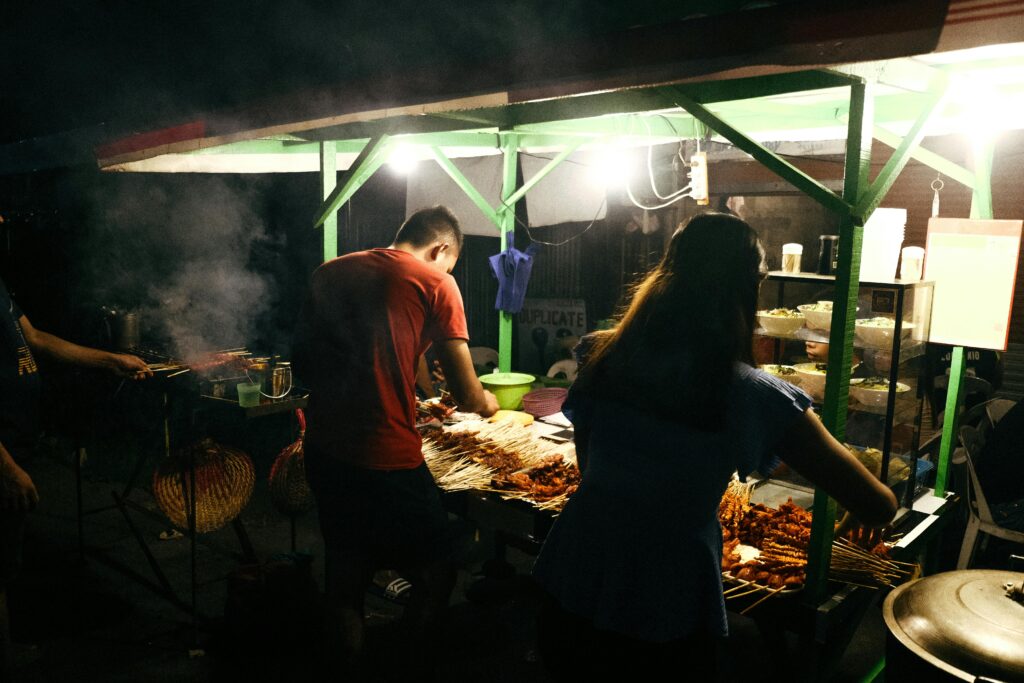
The practicality: why family-run is the Filipino standard
The shared livelihood
When the business wins, the family eats. This creates natural malasakit — a deep sense of care and ownership that you rarely get from non-family hires.
Family members understand that every sold ulam, every returning suki, and every clean pot directly affects the household budget. Because the carinderia is tied to their daily survival, they tend to be more invested in keeping the business running smoothly, even during slow days or difficult seasons.
Trust and security
You don’t worry about the cashier disappearing with the day’s earnings if the cashier is your sister or daughter. Trust is the backbone of Filipino family businesses. Money handling becomes less stressful because you know the person behind the counter values the relationship more than the cash.
This emotional security allows owners to focus on cooking, sourcing ingredients, or improving the menu instead of constantly monitoring the till.
Flexible labor
During fiestas, barangay events, or peak seasons, family members often step in without complaint. They understand the stakes and are willing to help beyond their job description. A cousin might wash dishes during a sudden lunch rush, or a sibling might run to the palengke when ingredients run low.
This flexibility is something you rarely get from regular employees, and it often becomes the secret weapon that keeps a small carinderia afloat during its busiest days.
The hidden risks: when home habits enter the kitchen
The lack of professional training
Cooking for 50 customers is different from cooking for 5 family members. Without training, lutong bahay can become a luging negosyo.
The motivation gap
Some relatives feel they can’t be fired, leading to tardiness, long breaks, or slacking off during rush hour.
Discipline versus respect
Correcting an older relative can be tricky. A simple reminder like “Tita, please wear a hairnet” can be misinterpreted as disrespect or pagmamarunong.
What to teach: the carinderia standards
Portion control (the sandok rule)
One serving equals one scoop. Giving extra to friends or suki may feel generous, but it destroys your margins.
Food safety (First In, First Out)
Teach why yesterday’s adobo must be sold first, why leftovers must be cooled properly, and why containers must be labeled with dates.
Customer service excellence
Family members must understand that customers should be served in under two minutes, and that kwentuhan is for after work.
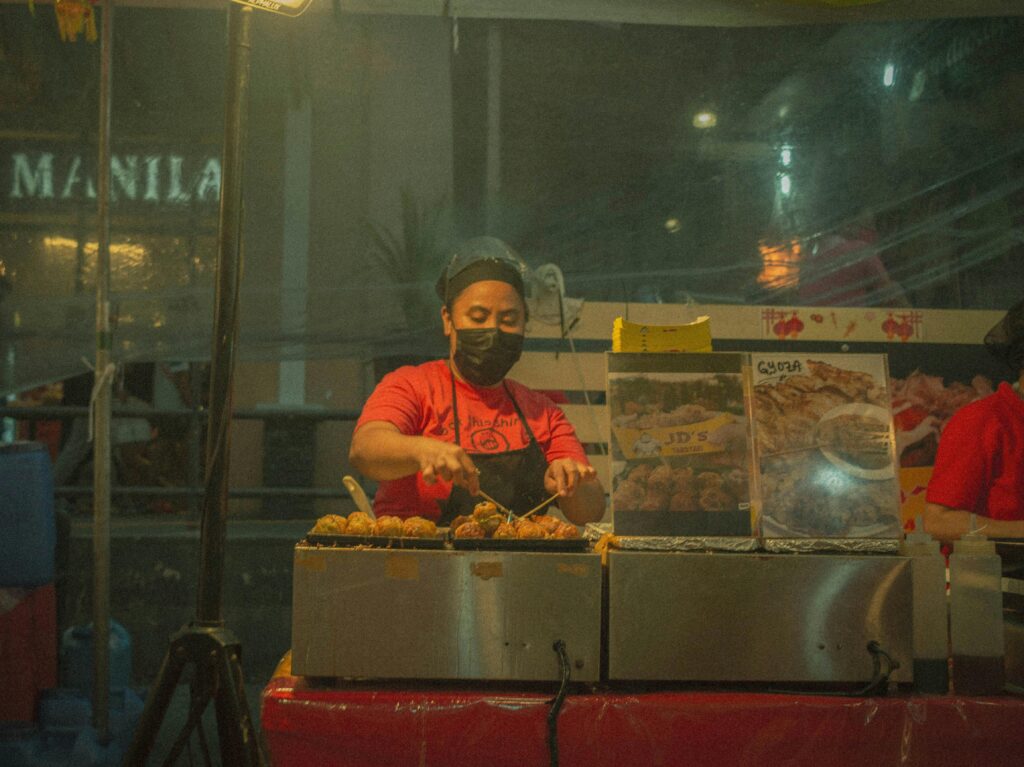
Fair compensation: moving beyond libreng pagkain
Fixed allowance or salary
Even if small, give a consistent amount. Never let relatives get from the drawer for personal needs.
The sari-sari benefit
Allow discounts on meals or goods, but track them to avoid confusion.
Incentive-based bonuses
Examples include perfect attendance, cleanest station, or most sales rewards.
Government contributions
If the business grows, help family staff register for SSS, PhilHealth, and Pag-IBIG. This gives them long-term security.
Common challenges and potential solutions
| Challenge | Relatable Example | Solution |
|---|---|---|
| Mixing budgets | Sister takes 500 pesos from the till to buy school supplies. | Use petty cash vouchers for all withdrawals. |
| Seniority conflict | Auntie gets offended when asked to wear a hairnet. | Post written kitchen rules so it’s the rule talking, not you. |
| Inconsistent quality | Sinigang is sour today, salty tomorrow. | Use standardized recipes with measuring tools. |
| Burnout | Your brother works 14 hours daily and becomes irritable. | Implement scheduled shifts and rest days. |
Expanding on solutions: professionalizing the kusina
Hold family-staff meetings
Once a week, sit down over coffee and talk about the business as business owners, not as siblings. Discuss what sold well, what went to waste, and what needs improvement.
Define clear roles — and why it matters
This is one of the most important steps in professionalizing a family-run carinderia. When roles are unclear, problems arise: two people assume the other bought ingredients, no one takes responsibility for spoiled food, cash shortages become mysteries, cooking quality changes depending on who’s in the kitchen, and arguments erupt because akala ko ikaw gagawa niyan.
Clearly defined carinderia staff roles prevent these issues and create a smoother workflow.
What clear roles look like
- Purchasing/Marketing – buys ingredients, checks prices, manages suppliers
- Cooking – handles prep, cooking, and food safety
- Cashier/Service – manages payments, customer interaction, and daily sales reports
- Cleaning/Back-of-House – ensures sanitation, dishwashing, and waste management
Why this works
- Accountability becomes simple
- No more finger-pointing
- Training becomes easier
- Performance becomes measurable
- Family harmony improves
Adopt the customer is king mindset
Inside the kitchen, you are family. Outside the counter, you are service providers. Customers don’t care about your family dynamics — they care about fast, clean, delicious food.
Comparison table: hiring family vs hiring experienced neighbors
| Factor | Hiring Family | Hiring Experienced Neighbors |
|---|---|---|
| Trust | Very high; built-in loyalty | Moderate; depends on reputation |
| Cost | Flexible; often lower or negotiable | Fixed wages; may require higher pay |
| Professionalism | Inconsistent; home habits may carry over | Usually stronger; used to structured work |
| Training needs | High; must unlearn home-style cooking | Lower; may already know food safety and portioning |
| Conflict risk | High; personal issues spill into work | Lower; boundaries are clearer |
| Flexibility | High; willing to help during peak seasons | Moderate; depends on schedule and pay |
| Long-term stability | Strong if relationships are healthy | Strong if compensated fairly |
Conclusion
A family-run carinderia can be a beautiful thing — a shared dream, a shared livelihood, and a shared legacy. But without structure, it can also become a source of tension and financial loss.
By setting clear rules, defining roles, teaching professional standards, and compensating fairly, you protect both the business and the relationships that matter most.
A carinderia thrives not just on good food, but on good teamwork. When the family works together with discipline and respect, the business becomes more than a kitchen — it becomes a future.