- Filipino diners are now more selective with their lunch budget due to rising food costs.
- Carinderias that balance “lutong bahay” comfort with modern expectations win more loyal suki.
- Small improvements—cleanliness, consistency, ventilation—create big boosts in customer satisfaction.
- Digital payments and menu variety are now basic expectations, even in neighborhood eateries.
The carinderia remains the heart of Filipino everyday dining. It’s where workers, students, tricycle drivers, and office staff go for affordable, comforting meals that feel like home. But customer expectations have evolved. Diners today want value, cleanliness, convenience, and a better overall experience—without losing the warmth and authenticity that make carinderias special.
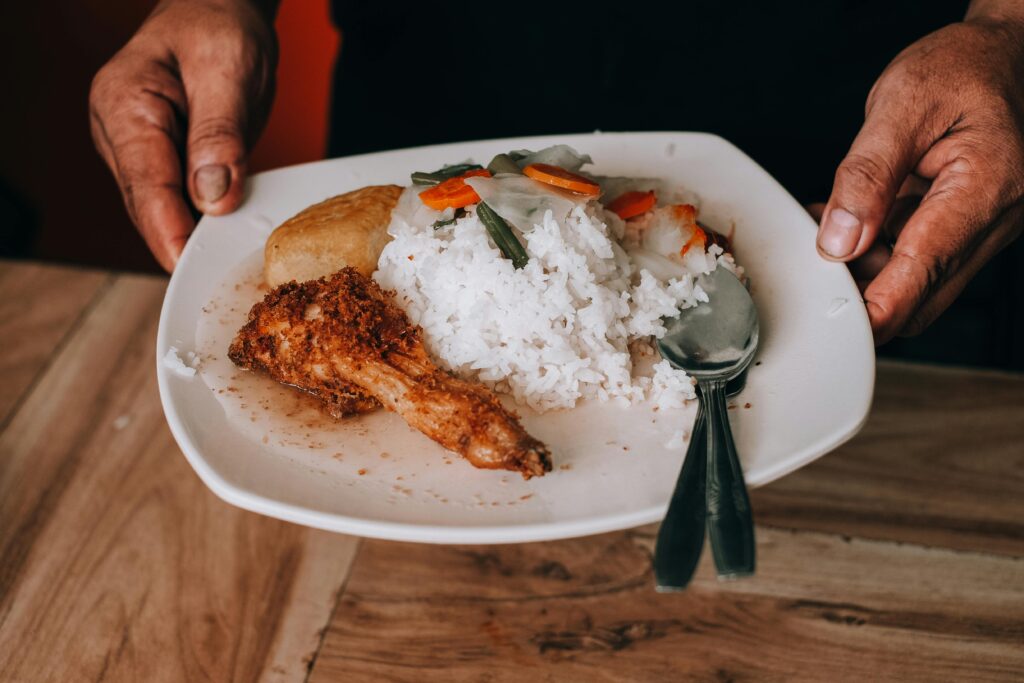
Here are the seven things customers want most from their favorite carinderia—and how you can deliver them consistently.
1. Busog-lusog portions
With inflation affecting household budgets, customers want meals that feel sulit and genuinely filling. They’re not just buying food—they’re buying comfort, satisfaction, and the assurance that their limited lunch budget was well spent.
The desire
Customers want a serving size that genuinely feels like a full, satisfying meal—something that keeps them energized through work or school. For many tricycle drivers or construction workers, this may be their only heavy meal of the day.
The strategy
- Offer unli-sabaw (unlimited soup) for dishes like sinigang or nilaga.
- Add free sawsawan with garnish (onions, chili, calamansi).
- Use proper portion scoops to maintain consistency.
Real-life example: A carinderia in Quezon City increased repeat customers by offering free miso soup with every fried dish—low cost, high perceived value.
2. Visible cleanliness and food safety
Modern diners are far more observant of hygiene, especially after years of health awareness campaigns. Customers want visual proof that the food is handled safely, giving them confidence that every meal is clean, fresh, and prepared with care.
The desire
Customers want reassurance that the food they’re eating is handled safely and prepared in a clean environment. They look for visual cues—like tidy counters and covered trays—to feel confident the meal won’t upset their stomach.
The strategy
- Use clear sneeze guards over food trays.
- Ensure staff wear clean aprons, hairnets, and gloves when needed.
- Keep the dining area bright, organized, and odor-free.
Tip: Customers judge your kitchen based on what they can see. A clean front area implies a clean back area.
3. Lutong bahay consistency
People return to a carinderia because they crave familiar flavors that remind them of home. Customers want dishes that taste the same every visit, creating a sense of reliability and emotional comfort in their daily meals.
The desire
Customers want dishes that taste the same every visit, giving them a sense of comfort and familiarity. A regular office worker returning for your adobo expects it to taste exactly like the one they enjoyed last week.
The strategy
- Use standardized recipes—no “tantya-tantya” for seasoning.
- Buy ingredients from the same suppliers to avoid flavor changes.
- Train staff to follow the same cooking process every day.
Why it matters: Consistency builds suki culture, which keeps your business stable even during slow months.
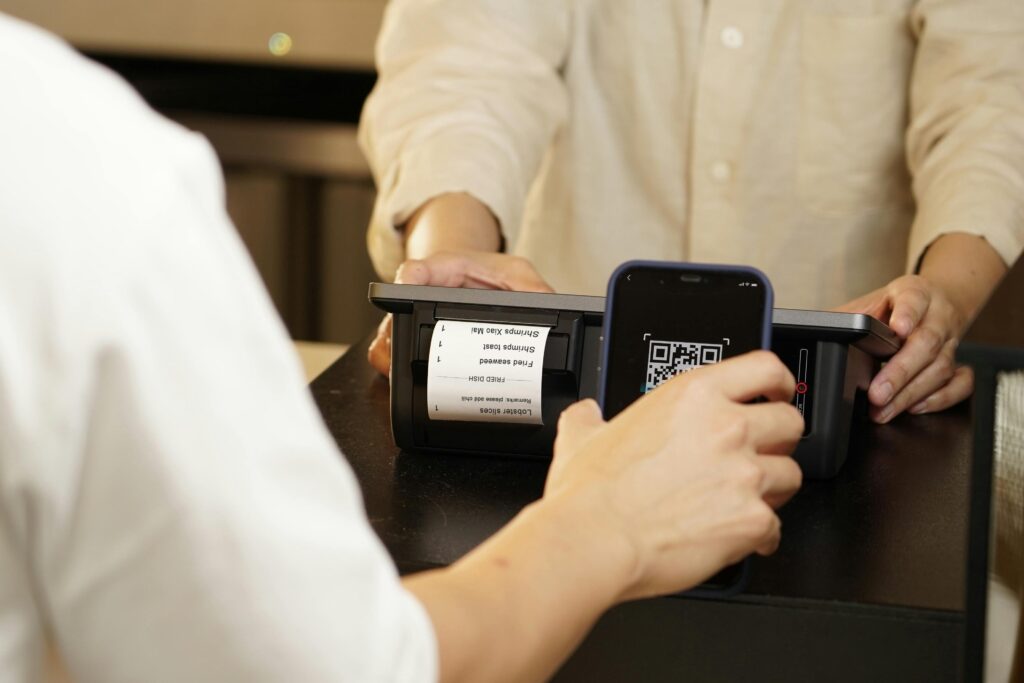
4. Digital payment options
Even in small neighborhoods, many customers no longer carry cash or loose change. They want a quick, convenient way to pay using their phones, especially during busy lunch hours when every second counts.
The desire
Customers want a fast, convenient way to pay without scrambling for coins or waiting for change. Many younger diners, especially students and office staff, prefer simply scanning a QR code and leaving immediately.
The strategy
- Display a QR Ph code at the counter.
- Accept GCash, Maya, and bank apps.
- Place the QR in a visible, easy-to-scan spot.
Why it works: It speeds up the lunch rush and attracts younger customers who rarely carry cash.
5. Variety and “special of the day”
Eating the same dishes repeatedly leads to menu fatigue, even for loyal suki. Customers want something new and exciting to look forward to, while still having access to their favorite everyday staples.
The desire
Customers want something new to look forward to, especially those who eat at your carinderia multiple times a week. A rotating special keeps meals exciting and prevents regulars from getting bored with the same dishes.
- Keep 3–4 daily staples like pinakbet, adobo, or giniling.
- Add a “Special of the Day” every Tuesday and Friday.
- Announce specials via Facebook or a barangay Viber group.
Example: Posting “Today’s Special: Bicol Express!” at 10 AM can drive early lunch traffic.
6. Freshly cooked, hot food
Nothing disappoints customers faster than cold, oily, or reheated food that tastes old. Diners want meals that feel freshly cooked, warm, and flavorful—giving them the impression of a home‑cooked dish straight from the stove.
The desire
Customers want food that feels freshly cooked—warm, flavorful, and comforting. A hot serving of sinigang or menudo signals quality and care, especially for workers looking for a satisfying break during a long day.
The strategy
- Use food warmers or tea lights under trays.
- Offer to reheat servings in a microwave or pan.
- Cook in small batches to maintain freshness.
Tip: Small-batch cooking reduces waste and improves taste.
7. Proper ventilation and comfortable seating
With the Philippines experiencing hotter temperatures each year, customers want a dining space where they can eat comfortably without sweating. Good airflow and proper ventilation make the carinderia feel welcoming, clean, and relaxing.
The desire
Customers want a dining space where they can enjoy their meal without sweating or feeling suffocated. A cool, breezy environment makes them more likely to stay, return, and even bring friends or coworkers.
The strategy
- Use high-velocity industrial fans.
- Ensure the cooking area is properly vented.
- Arrange seating to maximize airflow.
Why it matters: A comfortable carinderia encourages dine-in customers and longer stays.
The suki loyalty summary
| Customer Need | Low-Cost Fix | High-Impact Result |
|---|---|---|
| Cleanliness | Weekly deep-clean | Higher trust and more dine-in customers |
| Convenience | Printed QR Ph standee | Faster transactions; less “barya” stress |
| Freshness | Small-batch cooking | Better texture, taste, and repeat orders |
| Engagement | Greet customers by name | Stronger suki loyalty |
Conclusion
Carinderias succeed not just because of their food, but because of the experience they create. When customers feel busog, safe, comfortable, and valued, they return again and again. By focusing on these seven customer desires—value, cleanliness, consistency, convenience, variety, freshness, and comfort—you build a carinderia that stands out in your community and earns loyal suki for years.
Small improvements can transform your eatery into the neighborhood’s favorite lunch spot. Start with one upgrade today and watch how your customers respond.