- Stand out by offering a clear “signature” and healthier options, not just cheaper ulam.
- Use cleanliness, presentation, and small upgrades to build instant visual trust.
- Go digital: pre-orders, social media, and cashless payments are now basic expectations.
- Turn casual diners into “Suki 2.0” with simple loyalty programs and genuine feedback.
In many barangays, there’s not just one carinderia—there are three or four lined up beside each other. Same tapsilog, same giniling, same pritong manok. When everyone serves the same thing, the only way to compete is to lower prices, which slowly kills your profit and your energy.
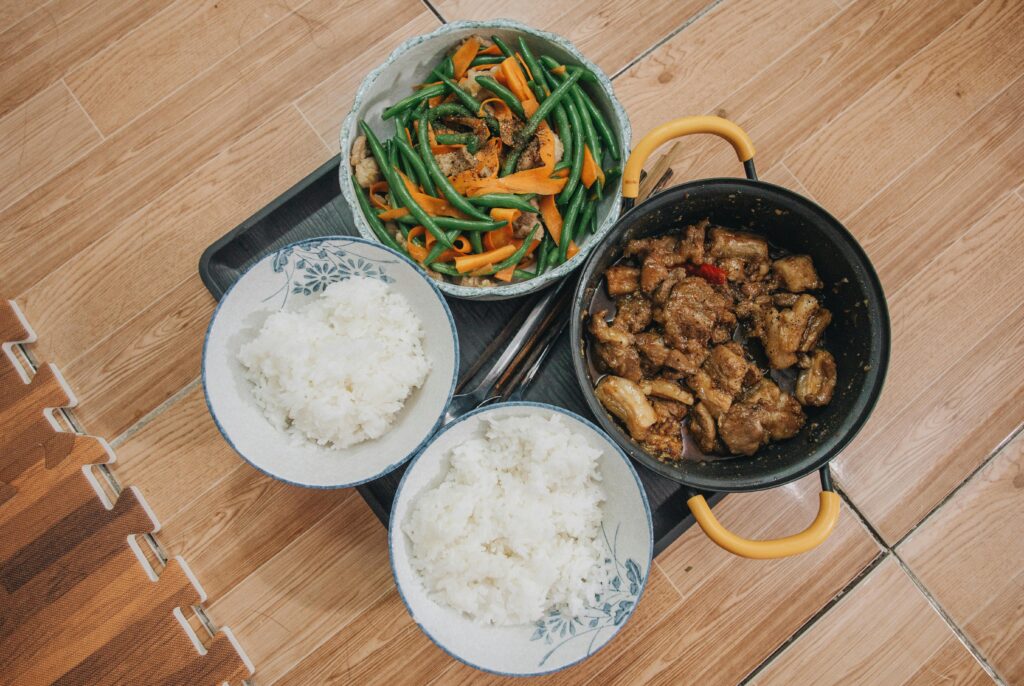
The good news: you don’t need a huge budget to compete. You just need to think of your carinderia as a modern food venture, not just a “turo-turo.” This guide will walk you through practical, low-cost strategies to stand out, attract better customers, and keep them coming back.
The new carinderia landscape
The saturation problem
Most carinderias follow the same formula: long table, stainless kaldero, and the usual ulam line-up. When your menu looks exactly like the carinderia next door, customers will choose based on two things only: price and proximity. That’s a dangerous game because:
- Price wars slowly erase your profit.
- Customers will easily switch if someone sells the same ulam for ₱5 less.
To survive in 2026 and beyond, you need to compete on value, not just price.
The 2026 Filipino consumer
Filipinos are more health-conscious now. According to the PwC 2025 Voice of the Consumer report, 67% of Filipino consumers say nutritional value is a significant factor when buying food, with taste coming second. That means many customers are actively looking for “mas masustansya” options—even if they still love crispy pata.
At the same time, big food brands are pushing nutrition and “better-for-you” meals. Unilever, for example, has committed to improving the nutrition of millions of Filipinos through its Knorr Nutri-Sarap programs and partnerships with government agencies. Unilever’s nutrition advocacy shows how strong the shift toward healthier eating has become.
The evolution of suki
Before, being the nearest carinderia was enough to earn “suki” customers. Today, loyalty is no longer guaranteed by proximity. Office workers, riders, and students are willing to walk a bit farther—or order online—if they know the food is cleaner, healthier, or more consistent.
“Suki 2.0” is built on:
- Consistent taste and portion sizes
- Visible cleanliness
- Convenience (pre-orders, cashless, fast service)
- Small gestures (free sabaw, extra gulay, remembering their usual order)
Product differentiation as a menu strategy
The signature dish concept
If your carinderia is “just another place to eat,” you’ll always struggle. But if people know you as “yung may pinakamasarap na kare-kare” or “yung lomi na punong-puno ng sahog,” you become a destination.
Choose one or two dishes to be your signature:
- Something you or a family member cooks really well (kare-kare, laing, lomi, pares).
- Something not everyone else is offering (e.g., authentic Ilocano dinengdeng, Bicol express, Kansi).
- Something you can consistently prepare with quality ingredients.
Promote it on your signage, social media, and even in your daily patong sign: “Today’s Special: Famous Kare-Kare.”
Health as a competitive edge
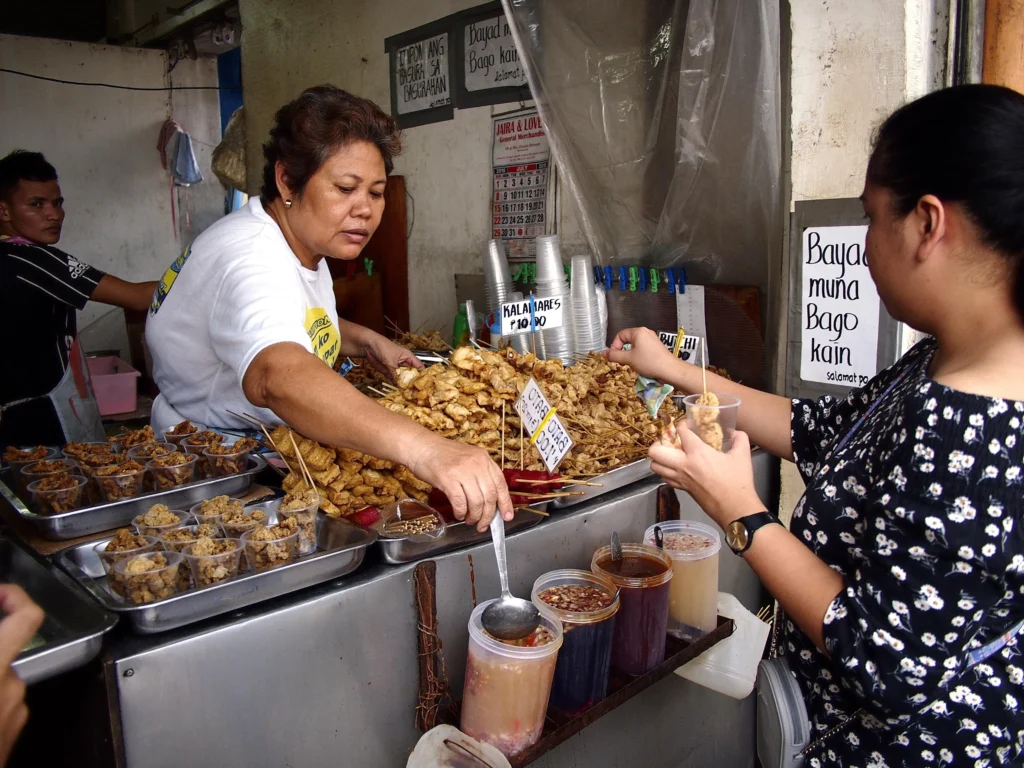
Health doesn’t mean boring food. It means giving customers options that make them feel good after eating, not sleepy and bloated.
- Offer brown rice or half-rice options for those watching their diet.
- Have at least one gulay-based ulam every day (pinakbet, ginisang monggo, chopsuey).
- Introduce “Plant-based Fridays” where all specials are vegetable or tofu-based.
- Use less mantika and more steaming or grilling where possible.
Unilever Food Solutions has long encouraged Filipino food operators to “level up” their menus with more balanced plates and better nutrition planning. Their work with carinderias and small eateries shows that healthier menus can still be profitable when planned well. You can explore their ideas via Unilever Food Solutions Philippines.
Rotating regional themes
Instead of serving the exact same menu every day, try a weekly regional theme:
- Monday: Ilocos (bagnet-style dishes, dinengdeng)
- Wednesday: Bicol (laing, Bicol express)
- Friday: Visayas (batchoy, Kansi, inasal-style chicken)
This keeps your regulars excited and gives them a reason to check your menu daily. You don’t need to go full buffet—just one or two themed dishes per day is enough.
The healthy combo psychology
Instead of selling everything ala carte, create combo meals that feel “sulit” and “mas healthy.”
| Combo Type | Inclusions | Customer Benefit | Business Benefit |
|---|---|---|---|
| Healthy Lunch Combo | 1 ulam + ½ rice + gulay side + calamansi juice | Feels lighter, more balanced | Higher average order value |
| Barkada Rice Bowl | Shared platter + 3 rice + 3 drinks | Perfect for office teams | Moves more volume per transaction |
| Budget Student Meal | 1 ulam + rice + free sabaw | Affordable but filling | Builds loyalty with students |
Combos help you control portions, reduce food waste, and increase your earnings per customer.
Operational excellence and visual trust
The cleanliness standard
Post-pandemic, customers are more sensitive to hygiene. A visibly clean carinderia is one of your strongest marketing tools. People notice:
- Wiped tables and dry floors
- Covered food trays
- Staff wearing hairnets or caps
- Handwashing station with soap
These small details signal that you respect their health. In a world where food safety is a big concern, this alone can make customers choose you over the carinderia beside you.
Aesthetic and comfort
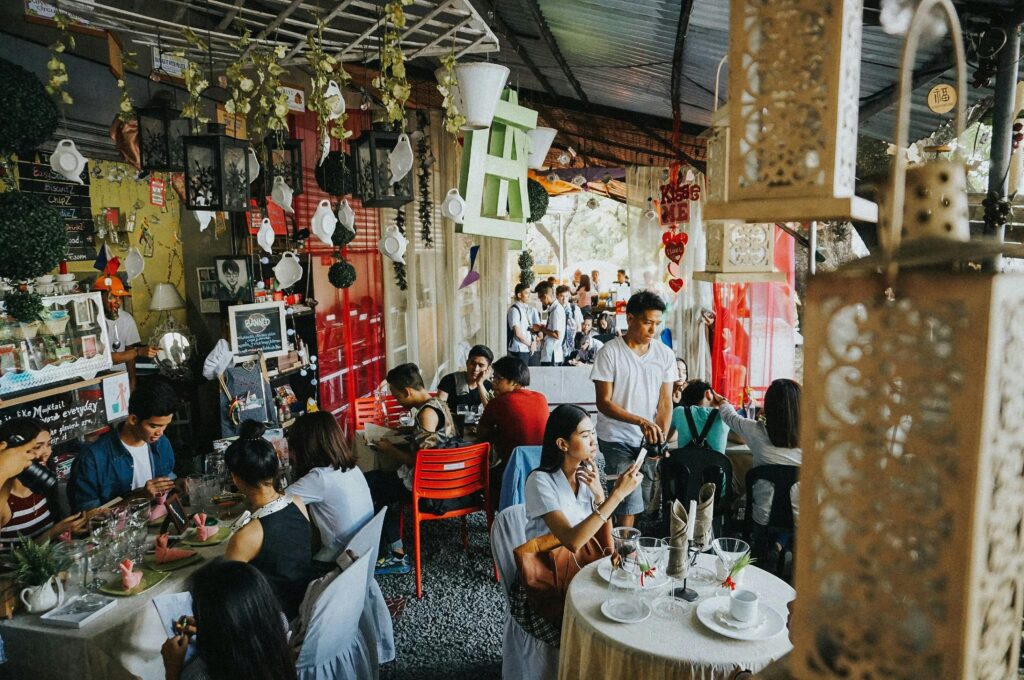
You don’t need a full renovation to look more modern. Start with:
- Simple uniforms or matching aprons for staff
- Better ventilation (electric fans positioned properly, open windows)
- Consistent plate or bowl style for dine-in orders
- One or two “Instagrammable” dishes with nice plating
Customers, especially younger ones, love taking photos of good-looking food. A single viral TikTok or Reel can bring in new customers for weeks.
Smart pricing
Instead of always using “even numbers” like ₱70 or ₱80, experiment with:
- Value-based pricing (slightly higher price for premium signature dishes)
- Bundle discounts for groups (e.g., “4 meals for ₱260”)
- Early-bird or late-afternoon discounts to move slow-moving items
Track which items sell fast and which ones are left over. Adjust your daily cooking volume to avoid waste and protect your margins.
Digital transformation for the small stall
Social media behind the scenes
You don’t need a professional camera to market your carinderia. A simple phone is enough. Share:
- Short videos of you cooking fresh ulam
- Boiling sabaw, sizzling sisig, or plating kare-kare
- Daily menu posts every morning
Platforms like TikTok, Facebook Reels, and Instagram Stories are perfect for this. People love seeing where their food comes from—it builds trust and appetite.
The Viber and Messenger strategy
Create a small broadcast list of your regular customers on Viber or Messenger. Every day at around 10:30 AM, send your menu for lunch:
“Good morning! Today’s ulam: Kare-kare, Fried Chicken, Ginisang Monggo, Pinakbet. Free delivery within the barangay for 5 orders and up.”
Encourage office staff, teachers, or tricycle drivers to pre-order. This helps you:
- Estimate how much to cook
- Reduce food waste
- Secure sales before lunchtime rush
Cashless convenience
In the current marketplace, many customers expect to pay via GCash or Maya. Even sari-sari stores and fish vendors now use QR codes. For carinderias, cashless payments:
- Make it easier for office workers who don’t carry cash
- Reduce the risk of handling large amounts of coins and bills
- Create a simple record of daily sales
Register for a business account or, at minimum, use a personal QR while you’re still small (but plan to formalize later). You can also explore the DTI E-Commerce Philippine Trustmark if you start accepting online orders. The Trustmark is a government-backed badge that shows you are a registered, trustworthy seller under the Internet Transactions Act of 2023, which helps build credibility with online customers.
Customer retention and the suki 2.0 mindset
Modern loyalty programs
You don’t need an app to reward loyal customers. Try:
- Simple punch card: “Buy 10 meals, get 1 free.”
- Free gulay or dessert for regulars every Friday.
- Birthday freebie for long-time suki.
These small rewards make customers feel seen and appreciated.
Community engagement
Think beyond walk-in customers. You can:
- Offer weekly lunch subscriptions to nearby offices.
- Partner with a local gym for “post-workout” healthy meals.
- Provide packed meals for school events or barangay meetings.
Instead of waiting for customers to come, you bring your carinderia to where people already are.
Feedback loops that actually work
One of the simplest but most powerful habits: ask, “Kumusta po yung pagkain?” and listen carefully.
- If they say “medyo maalat,” adjust next time.
- If they love a dish, mark it as a candidate for your signature item.
- Encourage them to message you if they have suggestions.
Over time, your menu becomes more aligned with what your actual customers want—not just what you feel like cooking.
Your next action plan
Competing with nearby carinderias is not about who can sell the cheapest ulam. It’s about who can offer the best overall experience: cleaner space, more thoughtful menu, healthier options, easier ordering, and genuine care for customers.
Here’s a simple action plan you can start this week:
- Choose one dish to turn into your signature item and promote it.
- Add at least one vegetable-based ulam and one healthier combo meal.
- Clean and reorganize your front area so it looks brighter and more inviting.
- Post your daily menu on Facebook or Messenger and accept pre-orders.
- Print and display your GCash or Maya QR code near the cashier.
You don’t have to change everything overnight. Start with one or two strategies, observe the results, and keep improving. Your carinderia can evolve from “just another turo-turo” into a modern, trusted, and profitable neighborhood food brand—one suki at a time.