- Motivated staff create faster service, better food quality, and stronger suki loyalty.
- You don’t need a higher payroll—just better leadership, fairness, and communication.
- Small, low-cost changes can dramatically reduce turnover and improve teamwork.
- Filipino workers stay where they feel respected, valued, and part of a healthy culture.
Running a carinderia is not just about cooking good food—it’s about managing people. A single unmotivated staff member can slow down service, affect food quality, and push customers toward the carinderia next door. But here’s the challenge: most small food businesses cannot afford to increase salaries every time morale drops.
The good news? Research shows that Filipino workers are motivated more by relationships, fairness, recognition, and culture than by salary and benefits alone. A 2025 study on millennials found that career development and engagement significantly influence retention. Another 2025 study from UP Manila revealed that organizational culture is a major factor in keeping employees in microenterprises. And a literature review from the Journal of Economics, Management & Trade emphasized that work-life balance and fairness strongly affect retention.
These findings are perfect for carinderia owners because they prove one thing: you can motivate your team without spending more.
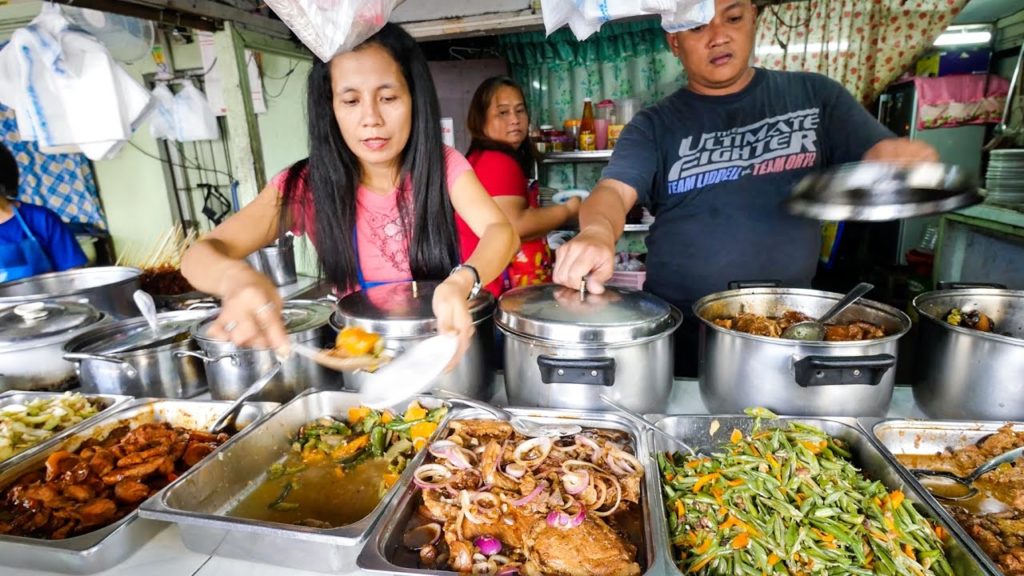
Common challenges and potential solutions
The silent resignation
Sometimes staff show up physically but not mentally. They move slowly, avoid eye contact with customers, and do the bare minimum. This is not laziness—it’s disengagement.
Low-cost solution: Conduct a 1-on-1 “Kamustahan.”
Set aside 10 minutes after closing time. Ask:
- “Kumusta ka? Ano ang nagpapahirap sa trabaho ngayon?”
- “May isang bagay ba na kaya kong ayusin para gumaan ang araw mo?”
Often, the friction point is small: a broken fan, a slippery floor, a dull knife, or unclear instructions. Fixing one small issue can restore energy and morale.
Real-life example:
A carinderia in Pasig discovered that their helper was slow because she was embarrassed to ask for a new ladle—the old one burned her hand. A ₱120 replacement fixed the problem instantly.
Seniority friction
It’s common for an older cook to feel uncomfortable being supervised by a younger owner or family member. This can lead to passive resistance, tension, or inconsistent food quality.
Low-cost solution: Give the senior cook a leadership title.
Titles cost nothing but give dignity:
- Kitchen Lead
- Quality Control Supervisor
- Head Cook
This aligns with research showing that career development and recognition improve engagement.
When the senior cook feels respected, they become an ally—not a rival.
Favoritism allegations
Nothing destroys morale faster than the perception that one staff member gets “easier” tasks or special treatment.
Low-cost solution: Implement a transparent weekly rotation.
Print a simple schedule and post it where everyone can see:
- Dishwashing
- Serving
- Chopping
- Cashier
- Cleaning
This supports findings from retention studies showing that fairness and organizational culture strongly influence employee loyalty.
When everyone sees the rotation, complaints disappear.
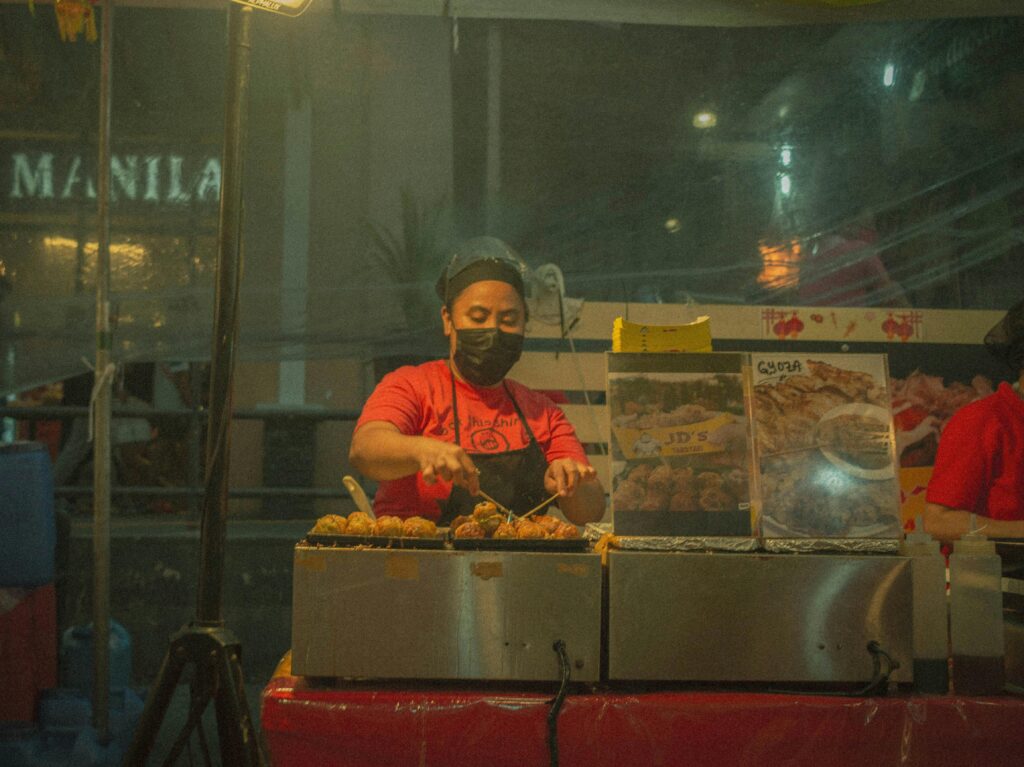
Industry benchmark for 2026
Motivation improves when staff understand the business. When they know which dishes are profitable, which ones are difficult, and why certain tasks matter, they feel more involved and respected.
| Ulam Category | Difficulty | Profitability | Demand Level | Best Use Case |
|---|---|---|---|---|
| Stews (Menudo, Afritada) | Medium | High (vegetable fillers) | Very High | Daily staple |
| Fried Items (Liempo, Fish) | Low | Medium (meat cost) | High | Lunch rush |
| Vegetables (Pinakbet, Monggo) | High (prep time) | Very High | Medium | Healthy combos |
| Gourmet (Kare-Kare, Kaldereta) | Very High | Medium | Special | Weekends/events |
Use this table during staff meetings to explain why certain dishes need more care or why some tasks rotate. When staff understand the “why,” they work with more purpose.
Building a culture that motivates without money
Clear expectations and daily rhythm
Filipino workers thrive when expectations are clear. Confusion leads to stress, and stress leads to disengagement.
Create a simple daily rhythm:
- 7:00 AM – Prep and chopping
- 9:00 AM – Cooking
- 11:00 AM – Serving
- 2:00 PM – Cleaning and rest
- 4:00 PM – Next-day prep
This structure supports findings that organizational culture and clarity improve retention.
Recognition as a leadership tool
Recognition is free but powerful. A 2025 study found that career development and acknowledgment increase engagement.
Try these low-cost recognition ideas:
- “Cook of the Week” sign
- Free merienda for excellent service
- Public praise during team huddles
Filipinos value “nakikita ang effort.” A simple thank-you can change someone’s entire day.
Work-life balance in a carinderia setting
Work-life balance doesn’t mean expensive benefits. It means respecting time and energy. Research shows that work-life balance initiatives improve retention.
Low-cost ideas:
- Rotate rest days fairly
- Allow short breaks during slow hours
- Let staff choose one preferred task per week
These small gestures reduce burnout and keep staff energized.
Practical leadership strategies for daily motivation
Start-of-day huddles
A 3-minute huddle sets the tone:
- “Today’s goal: faster service during lunch rush.”
- “Today’s special: Kare-Kare—let’s promote it.”
- “Reminder: rotation schedule is posted.”
Short, consistent communication builds unity.
Teach, don’t scold
Filipino workers respond better to guidance than confrontation. Instead of saying:
“Bakit ang bagal mo?”
Try:
“Paano kita matutulungan para mas mapabilis natin ito?”
This approach builds trust and reduces fear-based mistakes.
Empower staff with small decisions
Let them choose:
- Which vegetable dish to cook today
- How to plate a new combo meal
- Which cleaning method is fastest
Empowerment increases ownership and pride.
Realistic examples from Filipino carinderias
Example 1: The “Fan Fix” in Quezon City
A helper was always slow and irritable. The owner discovered during a kamustahan that the heat was unbearable. A ₱900 industrial fan improved her speed and mood instantly.
Example 2: The “Kitchen Lead” in Cavite
A senior cook felt disrespected by a younger owner. Giving her the title “Kitchen Lead” restored harmony and improved food consistency.
Example 3: The Rotation Board in Cebu
Accusations of favoritism disappeared after the owner posted a weekly rotation schedule. Staff became more cooperative and less resentful.
Conclusion and action plan
Motivating carinderia staff doesn’t require a bigger payroll. It requires better leadership, fairness, and communication. Research from Philippine studies proves that culture, recognition, and development—not salary—drive retention.
Here’s a simple action plan you can start this week:
- Hold a 10-minute kamustahan with each staff member.
- Post a weekly rotation schedule to eliminate favoritism.
- Give one staff member a leadership title to boost morale.
- Start daily 3-minute huddles to set expectations.
- Recognize one good performance every day.
Small actions create big changes. When your staff feel valued, respected, and part of a healthy culture, they will serve faster, cook better, and stay longer—helping your carinderia grow one suki at a time.