Oil price hikes are a recurring reality in the Philippines. Because the country imports more than 90% of its fuel supply, global price movements immediately affect transportation, logistics, electricity, and the cost of goods. For many businesses, rising fuel costs mean thinner margins, higher operating expenses, and reduced customer spending.
Yet, not all industries suffer. Some businesses actually thrive during periods of high fuel prices because they offer alternatives, essential services, or cost-saving solutions that become more attractive when transportation and energy costs surge.
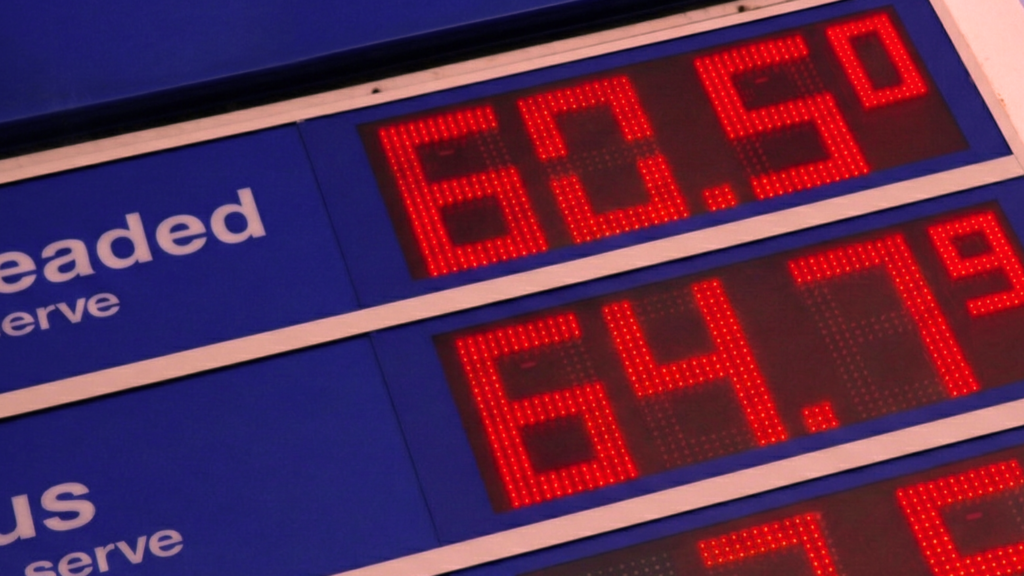
Below is a deep dive into seven businesses that perform strongly during oil price hikes, why they do well, and how rising fuel costs reshape business operations across the country.
How Oil Price Hikes Affect Philippine Businesses
1. Higher transportation and delivery costs
Fuel is a major expense for logistics companies, delivery riders, and businesses that rely on mobility. When oil prices rise, delivery fees increase, suppliers pass on higher transport costs, and retail prices of goods go up. This affects everything from vegetables to construction materials.
2. Increased electricity costs
Many power plants in the Philippines run on oil or coal. When fuel prices rise, electricity rates follow, and businesses with high energy consumption, such as restaurants, factories, and laundromats, feel the squeeze.
3. Reduced consumer spending
When transportation and electricity costs rise, households cut back on dining out, shopping, and non-essential services. However, they also shift spending toward cheaper alternatives, which opens opportunities for certain businesses.
4. Supply chain disruptions
Higher fuel costs can slow down deliveries, inventory restocking, and inter-island shipping. Businesses that rely on imported goods or long-distance logistics are hit hardest.
7 Businesses That Thrive During Oil Price Hikes
1. Sari-sari stores and community retail
- They are hyper-local. Sari-sari stores are located within walking distance of homes, so customers don’t need to spend on transportation to buy essentials. This convenience becomes even more valuable when fuel prices rise and commuting becomes costly.
- They offer small, affordable quantities. Tingi portions allow customers to buy only what they need for the day, helping them manage tight budgets during periods of inflation. This keeps demand steady even when household expenses increase.
- They eliminate transportation costs for customers. Instead of traveling to supermarkets, people rely on nearby sari-sari stores to avoid jeepney or tricycle fares. This shift in buying behavior increases foot traffic and boosts daily sales.
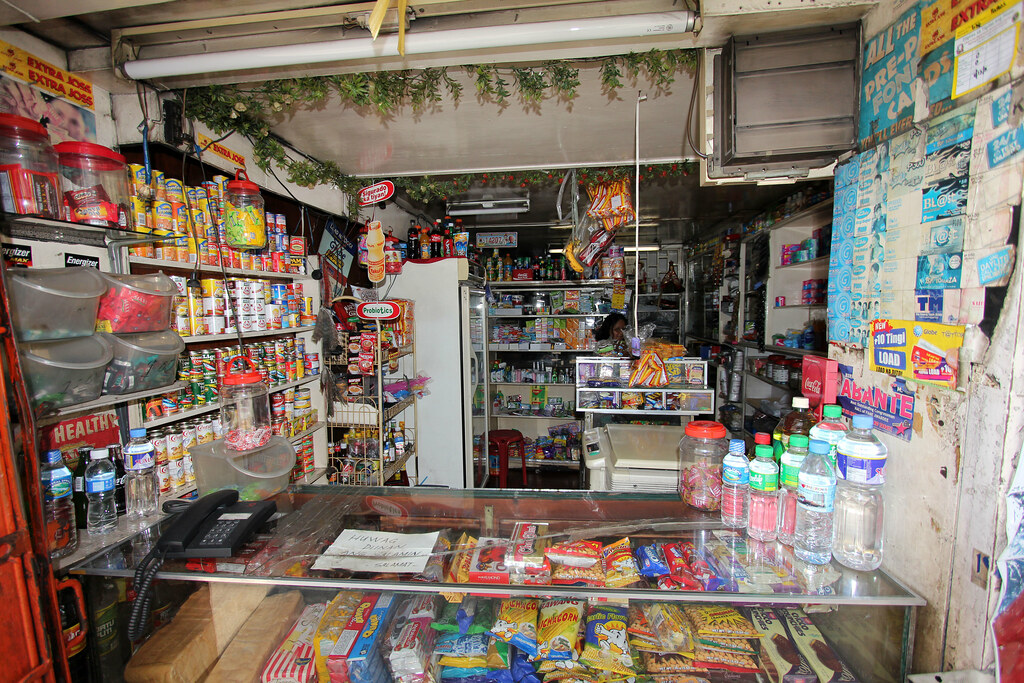
Sari-sari stores thrive because they are the most accessible retail channel during economic pressure. When fuel prices rise, people stay closer to home and buy in smaller quantities, which directly benefits community stores.
2. Online selling and home-based e-commerce
- Customers avoid mall trips. When fuel prices surge, people reduce non-essential travel and prefer shopping from home. Online sellers benefit because buyers shift their spending to digital channels.
- Sellers operate from home with minimal overhead. Home-based e-commerce eliminates the need for physical stores, reducing rent, utilities, and transportation costs. This allows sellers to maintain competitive prices even during economic fluctuations.
- Delivery fees are often shouldered by buyers. Most online platforms pass shipping costs to customers, protecting sellers’ margins. Even when delivery fees rise due to fuel hikes, buyers still prefer the convenience of home delivery.
Online selling thrives because it offers convenience and affordability at a time when consumers want to avoid unnecessary travel.
3. Motorcycle repair shops and spare parts stores
- Increased motorcycle usage means more repairs. As fuel becomes expensive, more Filipinos switch from cars to motorcycles to save on daily commuting costs. This leads to higher demand for maintenance, tune-ups, and replacement parts.
- Riders invest in maintenance to save fuel. Motorcycle owners become more conscious of fuel efficiency and seek services like carburetor cleaning, tire replacement, and engine tuning. These small improvements help them stretch every drop of gasoline.
- Delivery riders need constant servicing. The booming delivery economy relies heavily on motorcycles, and riders cannot afford downtime. Repair shops benefit from frequent visits for oil changes, brake checks, and quick fixes.
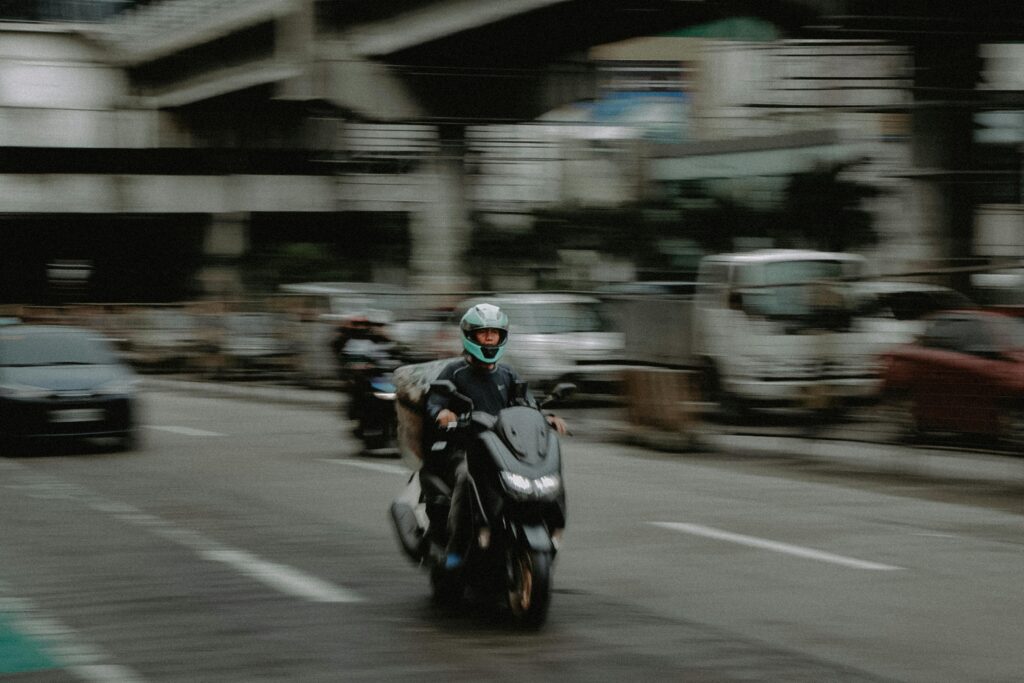
Motorcycle repair shops thrive because motorcycles become the preferred mode of transport during fuel spikes, increasing demand for parts and servicing.
4. Bicycle shops and repair services
- Zero fuel cost. Bicycles become an attractive alternative when fuel prices spike because they require no gasoline at all. This makes them ideal for short-distance commuting and daily errands.
- Low maintenance. Compared to motorcycles or cars, bicycles are cheaper to maintain and repair. This affordability encourages more people to shift to biking, increasing demand for parts and servicing.
- Ideal for short-distance commuting. Urban workers often use bicycles to avoid traffic and save on transportation costs. This trend boosts sales of both brand-new and second-hand bikes, as well as accessories like helmets and lights.
Bicycle shops thrive because they offer a fuel-free, low-cost transportation alternative that becomes more appealing during oil price hikes.
5. Food delivery and cloud kitchens
- Delivery demand increases. When commuting becomes expensive, people prefer ordering food instead of going out to dine. This benefits cloud kitchens and home-based food sellers who rely on delivery platforms.
- Cloud kitchens have lower overhead. Without the need for dine-in spaces, these businesses save on rent, staff, and utilities. This lean setup allows them to stay profitable even when ingredient and fuel prices rise.
- Customers shift from dine-in to delivery. High transportation costs discourage people from visiting restaurants, pushing them toward online food orders. This shift creates consistent demand for home-cooked meals and specialty dishes.
Cloud kitchens thrive because they meet the growing demand for convenient, affordable meals delivered to customers’ homes.
6. LPG retailing and refilling
- More home cooking = more LPG consumption. When fuel prices rise, families cut back on dining out and cook more meals at home. This increases the frequency of LPG refills, making it a stable and essential business.
- LPG is essential and non-negotiable. Households rely on LPG for daily cooking, regardless of economic conditions. This makes LPG retailing one of the most resilient businesses during inflation and fuel price hikes.
- Demand remains stable even during downturns. Unlike luxury goods, LPG is a necessity, so customers prioritize it over other expenses. This ensures consistent sales for small-scale LPG dealers.
LPG retailing thrives because it provides an essential household need that remains in demand regardless of economic conditions.
7. Public transport alternatives (e-Bikes, E-trikes, carpooling services)
- E-bikes and e-trikes use electricity, not fuel. These vehicles offer a cheaper alternative to gasoline-powered transportation, making them highly attractive during fuel spikes. Their low operating cost appeals to both commuters and small business owners.
- Carpooling reduces individual transport costs. Shared rides help commuters split expenses, making daily travel more affordable. This increases demand for organized carpooling services and community-based ride-sharing groups.
- Operators of e-trikes earn more due to lower operating expenses. E-trike drivers spend significantly less on energy costs compared to traditional tricycles. This allows them to maintain or even increase their income despite rising fuel prices.
These transport alternatives thrive because they offer cost-efficient mobility solutions when gasoline becomes too expensive for daily use.
Comparison table: Which Business Should You Choose?
| Business Type | Capital Needed | Profit Potential | Why It Thrives |
|---|---|---|---|
| Sari-sari store | ₱20k–₱80k | Medium | People avoid supermarkets and buy locally |
| Online selling | ₱5k–₱30k | High | Consumers shift to online shopping |
| Motorcycle repair shop | ₱50k–₱200k | Very High | More motorcycles on the road |
| Bicycle shop/repair | ₱30k–₱150k | Medium–High | Bikes become fuel-free transport |
| Cloud kitchen | ₱10k–₱50k | High | People order food instead of going out |
| LPG retailing | ₱30k–₱100k | Medium | Households cook at home more often |
| E-bike sales or rentals | ₱80k–₱300k | High | Fuel-free commuting becomes attractive |
How to Choose the Best Business for You
If you have limited capital (₱5k–₱20k)
Choose online selling, a home-based food business, or a small sari-sari store. These require minimal equipment and can start immediately.
If you want stable, essential-goods income
Choose a sari-sari store or LPG retailing. These businesses thrive regardless of economic conditions.
If you want high profit and have technical skills
Choose a motorcycle repair shop or bicycle repair shop. Demand increases as people shift to cheaper transportation.
If you want to ride the trend of fuel-free mobility
Choose e-bike sales or rentals, or a bicycle shop. These businesses grow rapidly during fuel spikes.
If you want a home-based business with strong demand
Choose a cloud kitchen or food delivery-focused cooking. People order more food when commuting becomes expensive.
Final Thoughts
Oil price hikes are challenging for many businesses, but they also reshape consumer behavior in ways that create new opportunities. The key is to understand how people adapt when transportation and energy costs rise—and position your business to meet those needs.
Whether you choose a sari-sari store, a repair shop, an online business, or an e-bike venture, the most successful entrepreneurs are those who stay flexible, observe customer behavior, and offer solutions that help Filipinos save money during tough times.
FAQ: Oil Price Hikes and Their Impact on Businesses
1. Why do oil price hikes happen?
Oil price hikes occur due to global supply issues, geopolitical tensions, higher demand, production cuts by oil‑producing countries, and fluctuations in foreign exchange rates. Since the Philippines imports most of its fuel, local prices rise quickly when global prices increase.
2. How do oil price hikes affect small businesses?
Small businesses face higher operating costs, especially for transportation, delivery, logistics, and electricity. This reduces profit margins and forces many MSMEs to adjust pricing, reduce trips, or streamline operations.
3. Which types of businesses are most affected by rising fuel prices?
Transport services, delivery riders, carinderias, sari‑sari stores, construction firms, farms, and manufacturing businesses are among the most affected. Any business that relies on mobility or fuel‑powered equipment feels the impact.
4. How can businesses reduce the impact of fuel price increases?
Businesses can reduce impact by optimizing delivery routes, consolidating trips, using fuel‑efficient vehicles, maintaining proper tire pressure, and shifting to digital transactions to reduce unnecessary travel.
5. Should businesses increase prices during an oil price hike?
Price increases may be necessary, but they should be gradual and justified. Many MSMEs use a mix of small price adjustments, portion control, and cost‑saving measures to avoid losing customers.
6. How do oil price hikes affect product pricing?
Higher fuel costs increase transportation and logistics expenses, which raise the cost of raw materials and finished goods. This leads to higher retail prices across food, construction materials, and consumer products.
7. What long‑term strategies can businesses adopt to manage fuel volatility?
Long‑term strategies include investing in energy‑efficient equipment, shifting to electric motorcycles or hybrid vehicles, improving inventory planning, and building partnerships with suppliers for more stable delivery schedules.
8. How can MSMEs stay competitive during continuous oil price hikes?
MSMEs can stay competitive by improving efficiency, offering bundled services, strengthening customer loyalty, and using digital tools for ordering, scheduling, and marketing to reduce operational waste.