Running a sari‑sari store means dealing with rising prices, tighter competition, and more demanding customers. But it also means huge opportunities for owners who know which products sell fast, which items give the best margins, and how to balance inventory to avoid losses.
Understanding the different sari-sari store items that can attract more customers is essential in this competitive market.
According to Packworks’ Sari IQ data, sari‑sari stores remain the backbone of Filipino micro‑retail, with over 300,000 active stores nationwide and strong demand for daily essentials even during inflationary periods.
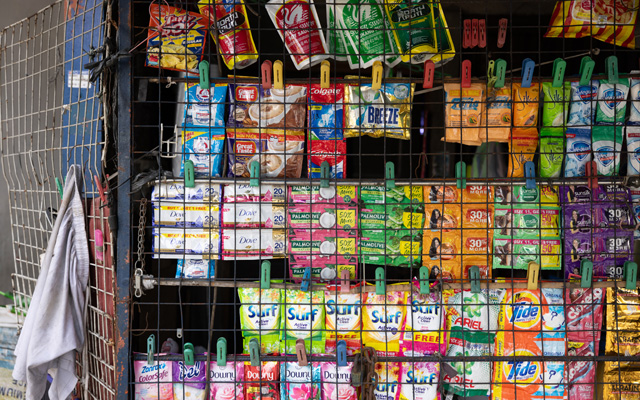
Meanwhile, the Department of Trade and Industry continues to update SRP bulletins for basic goods, confirming steady price increases across canned goods, noodles, condiments, and household items. The Philippine Statistics Authority also reports that micro‑retailers like sari‑sari stores operate on thin margins, making smart inventory decisions essential for survival.
This guide gives you a data‑driven, practical list of the best‑selling sari-sari store items every owner should stock — plus margins, fast‑moving vs. slow‑moving insights, and inventory strategies to help you stay profitable.
By carefully selecting sari-sari store items, you ensure that your stock meets customer demands and maximizes profit.
Why best‑selling items matter more
Inflation, higher supplier prices, and competition from mini‑marts mean sari‑sari store owners must be more strategic than ever. Stocking the right items ensures:
- Consistent daily sales
- Better cash flow
- Higher profit margins
- Less waste and fewer expired goods
- Stronger customer loyalty
Packworks Sari IQ notes that stores with optimized inventory see up to 46% higher daily GMV, especially when they focus on fast‑moving essentials and high‑margin items.
Choosing the right sari-sari store items not only increases sales but also builds trust with your customers.
Fast‑moving vs. slow‑moving goods: what every owner should know
Not all products move at the same speed — and understanding the difference is key to avoiding dead stock.
Fast‑moving goods (FMGs)
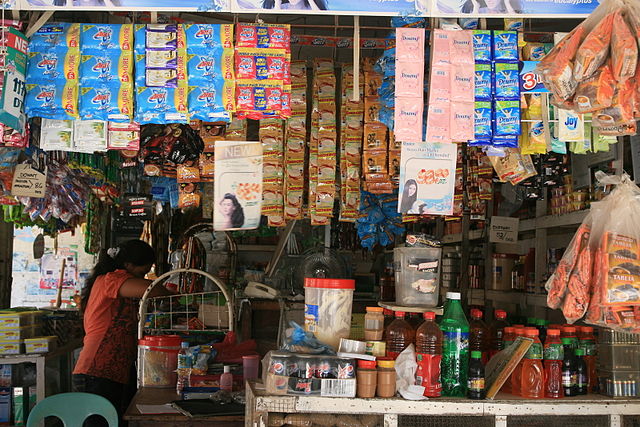
These items sell daily or multiple times per day.
Characteristics:
- Low to medium margins
- High turnover
- Essential to daily life
- Must always be in stock
Examples: sardines, instant noodles, shampoo sachets, coffee, soft drinks.
Slow‑moving goods
These items sell occasionally or seasonally.
Characteristics:
- Higher margins
- Lower turnover
- Risk of expiry
- Should be stocked in small quantities
Examples: candles, school supplies, certain condiments, specialty snacks.
The ideal inventory mix
- 70% fast‑moving goods
- 30% high‑margin slow‑moving goods
This balance ensures steady cash flow while still boosting overall profitability.
Top 50 best‑selling sari‑sari store items every owner should stock
Focusing on high-demand sari-sari store items can lead to significant improvements in your overall sales volume.
Below is the updated, category‑based list of the 50 most in‑demand items based on sari‑sari store buying behavior, Packworks Sari IQ insights, and DTI SRP trends.
Tracking sales of specific sari-sari store items helps you understand market trends and customer preferences. Price adjustments on popular sari-sari store items can enhance your competitive edge in the market.
Regularly updating your list of sari-sari store items based on customer feedback is crucial for success. Highlight promotions on select sari-sari store items to drive traffic and boost sales. Understanding seasonal demand will help you optimize inventory levels.
| Category | Items | Notes |
|---|---|---|
| Canned Goods | Sardines, Corned Beef, Meat Loaf, Tuna, Vienna Sausage | DTI SRP‑regulated; daily demand |
| Instant Noodles | Pancit Canton, Beef/Chicken Noodles, Cup Noodles | Fast‑moving, low margin |
| Snacks | Chips, Biscuits, Candies, Choco Snacks, Peanuts | High margin, impulse buys |
| Beverages | Coffee Sachets, Powdered Juice, Soft Drinks, Bottled Water | Strong repeat sales |
| Condiments | Soy Sauce, Vinegar, Cooking Oil, Fish Sauce, Seasoning Granules | Essential household items |
| Daily Necessities | Shampoo, Conditioner, Soap, Detergent, Dishwashing Liquid, Toothpaste | Sachet economy drivers |
| Tingis / Small quantity items | Sugar, Coffee, Oil, Salt, Spices | High margin, budget‑friendly |
| Frozen Goods | Hotdogs, Tocino, Longganisa, Ice | Strong add‑on sales |
| Cigarettes | Stick Cigarettes, Packs | High margin, regulated |
| Household Items | Charcoal, Matches, Candles, Trash Bags | Useful during outages |
| School Supplies | Ballpens, Notebooks, Bond Paper | Seasonal but profitable |
| Miscellaneous | Load, E‑Wallet Cash‑In, Ice Candy, Bread/Pandesal | High daily demand |
Typical profit margins by category
Margins vary depending on SRP, supplier pricing, and competition. Here’s a clear breakdown:
| Category | Margin Range | Notes |
|---|---|---|
| Snacks | 15%–30% | High impulse demand |
| Tingis | 20%–40% | Best margins overall |
| Cigarettes | 10%–20% | Regulated but profitable |
| Daily Necessities | 10%–15% | Sachet economy drivers |
| Canned Goods | 5%–10% | SRP‑regulated |
How to balance fast‑moving and high‑margin items
Fast‑moving goods
- Keep high stock levels
- Reorder frequently
- Monitor supplier price changes weekly
High‑margin slow‑moving goods
- Buy in small quantities
- Track expiry dates
- Promote through bundles
Recommended inventory ratio
- 70% fast‑moving
- 30% high‑margin
This ratio ensures both cash flow and profitability.
Supplier strategy for best‑selling items
Where to buy
- Local wholesalers
- Distributor trucks
- Supermarket promos
- Packworks partner suppliers
- Online wholesale platforms
Tips
- Compare prices weekly
- Track SRP changes via DTI
- Buy bulk only for fast‑moving items
- Avoid overstocking slow‑moving goods
Pricing strategy for a successful sari-sari store business
Incorporating customer preferences into your selection of sari-sari store items is a proven strategy for success. DTI updates SRP bulletins regularly — especially for canned goods, noodles, condiments, and household items.
Markup guidelines
- 5%–10% for SRP items — Price-protected goods like canned sardines, instant noodles, and bread. Keeping markups low prevents complaints and ensures compliance.
- 10%–20% for daily necessities — Essentials like rice, sugar, and cooking oil. A moderate markup covers hauling and handling costs.
- 15%–30% for snacks — Impulse buys where customers are less sensitive to price changes.
- 20%–40% for tingi (repacked goods) — Higher markup compensates for labor and packaging.
Common mistakes to avoid
- Overstocking slow‑moving goods — Ties up capital and reduces cash flow.
- Ignoring expiry dates — Leads to direct losses.
- Not tracking margins — You may unknowingly sell at a loss.
- Buying based on “gut feel” — Leads to dead inventory.
- Underpricing due to competition — Can destroy your margins.
- Not monitoring SRP updates — Selling at old prices while suppliers increase theirs reduces profit to zero.
Conclusion
Ultimately, the success of your sari-sari store hinges on your ability to provide the right sari-sari store items. Stocking the right products is the foundation of a profitable store. By focusing on fast‑moving essentials, high‑margin items, and smart inventory management.
FAQ: Best‑Selling Sari‑Sari Store Items
1. What are the top-selling sari-sari store items today?
Fast-moving goods include softdrinks, instant noodles, coffee, biscuits, sachet shampoos, powdered drinks, cigarettes, and ₱1–₱5 tingi items. These categories drive 70% of daily sales.
2. Why do sachet products sell better than full-size items?
Sachet items match the “pangkalahatang budget” of daily-wage households. Low cash on hand means customers buy only what they need for the day.
3. What is the ideal inventory mix for a sari-sari store?
A 70/30 rule works best: 70% fast-moving essentials (drinks, noodles, coffee, snacks) and 30% slow-moving but high-margin items (toiletries, canned goods, condiments).
4. Which items have the highest profit margins?
High-margin items include ice, yosi tingi, instant coffee sachets, candy, and cold drinks. Margins range from 20% to 40% depending on supplier pricing.
5. What items should every sari-sari store stock daily?
Softdrinks, noodles, coffee, bread, eggs, cooking oil, sugar, soy sauce, vinegar, sardines, pancit canton, shampoo, and detergent sachets.
6. How do I avoid overstocking slow-moving items?
Track expiry dates, buy in smaller quantities, and rotate stock using FIFO (First In, First Out). Avoid bulk buying unless demand is proven.
7. What are the best suppliers for sari-sari stores?
Wholesalers, supermarket promos, local distributors, and direct-from-manufacturer vans. Compare prices weekly to protect margins.
8. How do I price items with DTI SRP?
SRP items (sardines, noodles, canned meat) must follow DTI guidelines. Non-SRP items (snacks, drinks, toiletries) can use 15%–25% markup.
9. Why do some sari-sari stores lose money?
Common reasons include uncontrolled utang, expired goods, poor inventory rotation, overstocking, and failure to reinvest profits.
10. What new items are trending in 2026?
Flavored water, Korean noodles, ready-to-drink coffee, budget-friendly frozen snacks, and ₱10–₱20 “merienda packs.”