Starting a sari‑sari store is one of the most practical and beginner‑friendly businesses in the Philippines. Whether you’re a first‑time entrepreneur, a stay‑at‑home parent looking for extra income, or an OFW preparing a small business for your family, a sari‑sari store offers steady demand and daily cash flow.
But before you begin, the most important question is: How much capital do you really need?
The good news is you can start small and grow steadily. This guide breaks down the capital requirements, startup checklist, step‑by‑step process, and practical tips based on real Filipino scenarios.
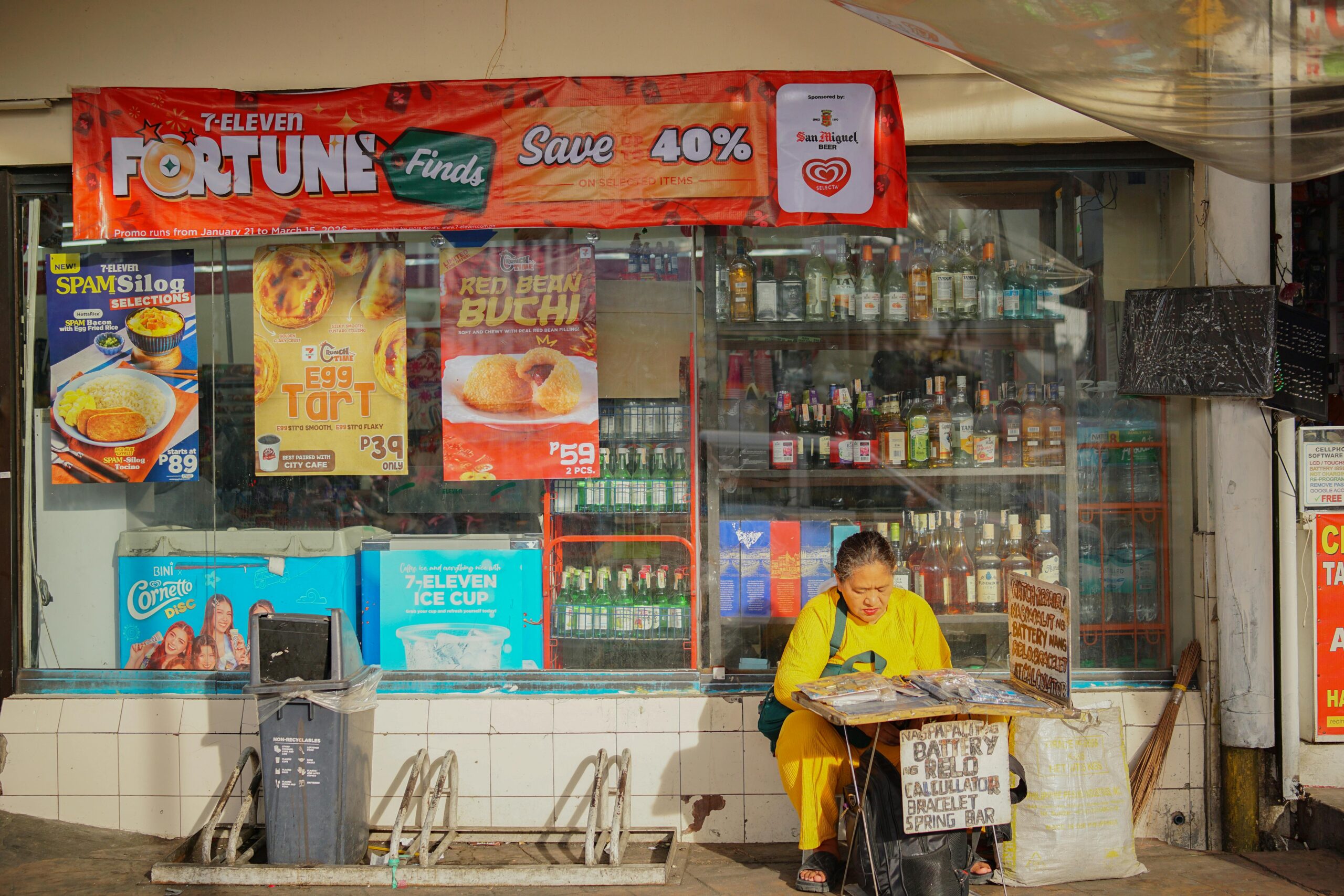
Why knowing your capital matters
Many sari‑sari stores fail not because the owner lacks effort, but because they start with the wrong expectations. Some overspend on shelves and renovation but understock their inventory. Others start too small and cannot keep up with customer demand.
Understanding your capital needs helps you avoid overspending, plan your inventory properly, and maintain the “rolling capital” that keeps your store alive.
Capital breakdown: how much do you really need?
Your starting capital depends on one major factor: Are you using an existing space in your home, or are you building a new structure?
The “Micro” Start (₱5,000 – ₱10,000)
Best for: Beginners testing the waters.
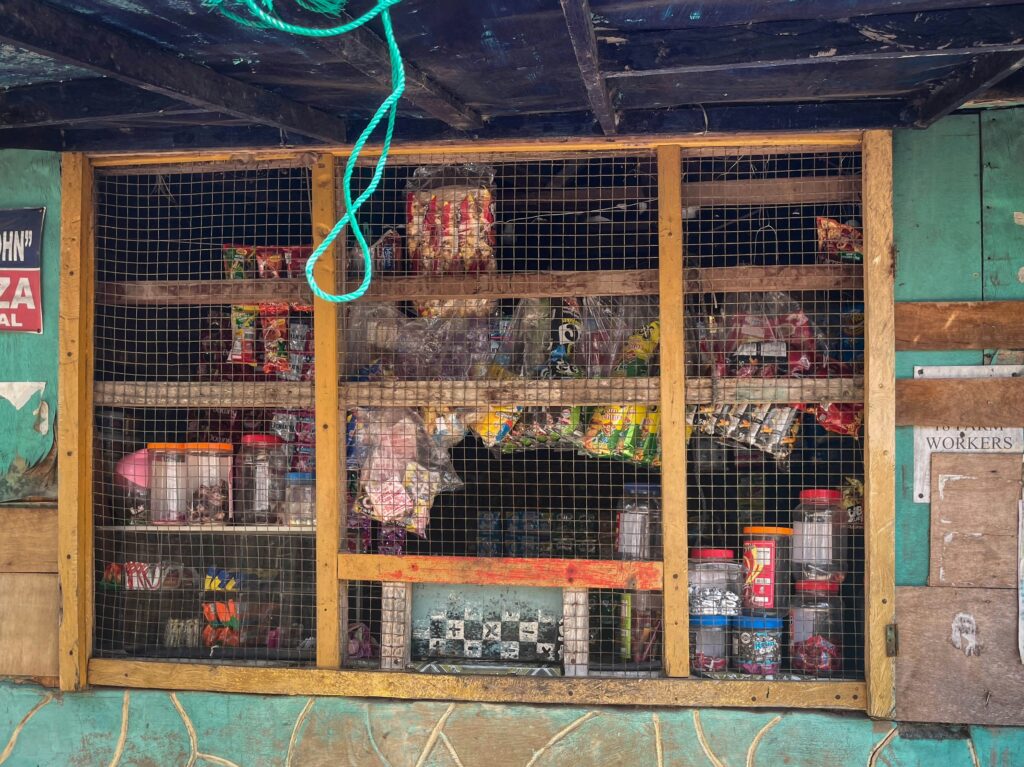
What this setup looks like: A small table or shelf by your window, selling only the most essential “tingi” items.
Typical inventory: Coffee sachets, shampoo, detergent, eggs, bread, candies, and small snacks.
Real example: A tricycle driver’s wife in Laguna started with ₱7,000 worth of sachets and snacks. After three months of reinvesting all profits, her inventory doubled without adding new capital.
Strategy: Reinvest 100% of your profit for the first few months to grow your inventory quickly.
The “Standard” Neighborhood Store (₱15,000 – ₱25,000)
Best for: Most first‑time sari‑sari store owners.
What this setup looks like: Proper wooden shelves, a small counter, and a wider variety of goods.
Typical inventory: Canned goods, soft drinks, noodles, snacks, condiments, rice (small quantities), e‑load, and basic household items.
2026 tip: Include GCash and Maya cash‑in/cash‑out services. These bring foot traffic and provide steady service‑fee income.
Real example: An OFW in Dubai funded her sister’s sari‑sari store in Cavite with ₱20,000. They added e‑wallet services and earned an extra ₱1,500–₱2,000 monthly from service fees alone.
The “Mini‑Grocery” Level (₱50,000 – ₱100,000+)
Best for: Those building a dedicated structure.
What this setup looks like: A permanent cement or steel structure with a freezer, cooling system, and bulk inventory.
Typical inventory: Frozen goods, soft drinks in bulk, rice sacks, toiletries, cleaning products, and school supplies.
Why this level grows faster: Buying in true bulk lowers your cost per item and increases your profit margin.
Real example: A former OFW in Qatar invested ₱80,000 to convert their garage into a mini‑grocery. Because they bought soft drinks and frozen goods in bulk, their profit margin increased by 20–30%.
The essential sari-sari startup checklist
| Category | Estimated Cost (2026) | Notes |
|---|---|---|
| Initial Inventory | ₱10,000 – ₱30,000 | Focus on fast‑moving goods (FMCG). |
| Store Setup | ₱5,000 – ₱20,000 | Shelves, paint, signage, lighting. |
| Legal Permits | ₱2,000 – ₱5,000 | Barangay Clearance, DTI, Mayor’s Permit. |
| Equipment | ₱2,000 – ₱15,000 | Weighing scale, calculator, cooling chest. |
| Emergency Fund | ₱3,000 | For sudden restocking or price changes. |
What you need to prepare before starting
A clear space for your store
Choose a visible, accessible spot—whether it’s a window, a corner, or a dedicated structure.
Your initial inventory list
Start with fast‑moving essentials like coffee, noodles, soft drinks, eggs, and sachets.
Basic equipment
A weighing scale, calculator, notebook or app, and a secure cash box.
Legal requirements
Secure your Barangay Clearance, DTI registration, and Mayor’s Permit to operate legally.
Your “rolling capital” mindset
This is the money that keeps your store alive. Once it’s gone, your store stops operating.
Step‑by‑step: how to start your sari‑sari store
Step 1: Decide your store size
Choose between micro, standard, or mini‑grocery based on your budget and community demand. Starting too big without understanding your neighborhood’s buying habits is risky, but matching your store size to local needs gives you a strong advantage.
Step 2: Prepare your space
Clean, repaint, and install shelves. Good lighting makes your store look more trustworthy. A poorly prepared space can turn customers away, while a clean setup builds trust and encourages repeat visits.
Step 3: Register your business
Secure your permits to avoid penalties and operate confidently. Being registered also allows you to expand later, such as adding a freezer or offering e‑wallet services.
Step 4: Buy your initial inventory
Start with fast‑moving items and avoid overstocking slow‑moving goods. The risk is tying up capital in items that don’t sell, but the opportunity is building a lean, profitable inventory.
Step 5: Organize your products
Arrange items by category and place fast‑moving goods at eye level. A well‑organized store helps you serve customers faster and reduces mistakes.
Step 6: Track your sales daily
Use apps like Peddlr or Growsari to monitor sales and expenses. Tracking helps you understand which items sell fastest and prevents capital loss due to poor monitoring.
Step 7: Reinvest your profit
For the first 2–3 months, reinvest everything to grow your inventory. Withdrawing profits too early slows your growth, but reinvesting helps your store expand without borrowing money.
Common challenges and how to solve them
Customers asking for utang
Set a clear rule: no utang. If you must allow it, limit it to trusted neighbors and set a weekly cutoff.
Mixing personal and store money
Always pay the cash box—even if you own the store. Treating your store like a personal pantry kills your capital.
Running out of capital
This happens when profits are not reinvested. For the first few months, focus on growing your inventory.
Slow‑moving items
Observe your neighborhood. If no one buys peanut butter, don’t stock it.
Tips for sari‑sari store success
Avoid utang
Utang drains your rolling capital and makes restocking difficult. Many stores close because their money is stuck in unpaid debts, so being firm protects your business.
Separate your bulsa
Always pay the cash box even if you own the store. Discipline keeps your capital intact and helps your store grow steadily.
Go digital
Use apps like Growsari or Peddlr to track sales and inventory. These tools help prevent losses and give you a clearer picture of your daily earnings.
Offer e‑wallet services
GCash and Maya cash‑ins bring daily foot traffic and steady service fees. Many stores earn more from digital services than from selling snacks.
Keep your store clean and well‑lit
A clean, bright store feels safer and more professional. Even simple improvements like repainting or adding a small LED light can make your store stand out.
Know your fast‑moving items
Items like coffee, noodles, soft drinks, eggs, and sachets should always be in stock. Running out of these means losing easy sales to competitors.
Build good relationships with suppliers
Friendly relationships with wholesalers can lead to discounts and better payment terms. This gives you an advantage and improves your profit margins.
A realistic example: how far your capital can go
If you have ₱20,000, here’s a realistic breakdown:
- ₱12,000 – Initial inventory
- ₱4,000 – Shelves and basic setup
- ₱2,000 – Permits
- ₱2,000 – Emergency fund
Within 2 to 3 months, if you reinvest all profits, your inventory can grow to ₱18,000–₱25,000 without adding new capital.
Conclusion: start small, grow smart
You don’t need a huge amount of money to start a sari‑sari store. What you need is discipline, good inventory management, and a clear plan. Whether you start with ₱5,000 or ₱50,000, the key is to reinvest your profits, avoid utang, and use digital tools to track your business.
A sari‑sari store is more than just a small business—it’s a stepping stone to financial stability for many Filipino families. With the right approach, your store can grow into a reliable and long‑term source of income.