- Expired goods directly cut into your daily earnings, especially for micro-stores operating on thin margins.
- Understanding expiry labels and high-risk items helps prevent losses before they happen.
- Using FEFO, color coding, and simple logbooks can dramatically reduce spoilage.
- Near-expiry items can still be saved through markdowns, bundling, or supplier returns.
Why expiry management is survival for sari-sari stores
In the Philippines, a sari-sari store operates on micro-margins. For many owners, the loss of just five cans of expired sardines can wipe out an entire day’s profit. Managing expiration dates is not just about food safety; it’s about the survival of your small business.
A single box of expired biscuits or a forgotten pack of powdered milk at the back of the shelf can quietly drain your capital.
Understanding the nature of expired goods
Not all expiry labels mean the same thing. Knowing the difference helps you make smarter decisions.

The safety first principle
- Best before: This refers to quality. The product may lose crispness or flavor after the date, but it is usually still safe if unopened.
- Use by or expiration date: This is a safety deadline. Selling or consuming the product after this date can cause food poisoning.
Example: A pack of crackers that is one week past its best before date may just be less crunchy. But a can of evaporated milk past its expiration date can cause stomach issues. One affects quality; the other affects safety.
High-risk categories
- Bread and dairy: Shortest shelf life, usually three to seven days.
- Canned goods: Long shelf life but vulnerable to dents, rust, and swelling.
- Snacks and biscuits: Lose crispness and attract ants or weevils.
Example: A sari-sari store in the barangay buys ten loaves of bread because the supplier offered a discount. Only six sell. The remaining four expire in two days. The owner ends up eating the loss—literally. This happens because bakeries usually sell bread to sari‑sari stores outright, with no return policy for unsold items. Only a few bakeries offer consignment, so for most store owners, whatever doesn’t sell before expiry becomes an unavoidable loss.
Consumer safety and reputation
Selling expired goods can lead to food poisoning, loss of customer trust, and even barangay or sanitary sanctions. One angry customer posting on Facebook can damage your store’s reputation overnight.
The real cost of “sayang”
Expired goods hurt your business in more ways than one.
Direct loss
When an item expires, you lose both the cost price and the potential profit.
Example: You bought a can of corned beef for ₱35 and planned to sell it for ₱45. If it expires, you lose ₱35 plus the ₱10 profit you could have earned.
Space loss
Expired goods take up shelf space that could be used for fast-moving items like soft drinks, noodles, or sachets.
Example: A dusty box of expired biscuits sits on your shelf for months. Meanwhile, customers keep asking for instant coffee sachets, but you have no space to display more.
Capital trap
Money tied up in expired stock is money you cannot use to buy new inventory.
Example: You spent ₱500 on canned goods that didn’t sell. That ₱500 could have been used to buy eggs or soft drinks—items that sell daily.
Common mistakes sari-sari store owners make
The LIFO mistake
Putting new deliveries in front because it’s easier. This causes older stock to expire unnoticed.
Example: A new box of noodles arrives. You place it in front. The older packs at the back expire quietly.
Panic overstocking
Buying too much of a sale item that doesn’t sell quickly in your neighborhood.
Example: A wholesaler offers a promo on powdered juice. You buy two boxes. But your customers prefer soft drinks, so the juice expires.
No visual checks
Never checking the back of the shelf where old products gather dust. Trehis may be more common for products you stored at the “bodega” and forgot to review the date of expiration.
Ignoring damage
Not separating dented cans or torn plastic packs immediately. Damaged goods spoil faster and cannot be returned once mixed with good stock.
Preventing or minimizing losses: the FEFO strategy
The most effective way to manage expiry is the FEFO method—first expired, first out.
Stock rotation
Every time you restock, move items with the earliest expiry dates to the front.
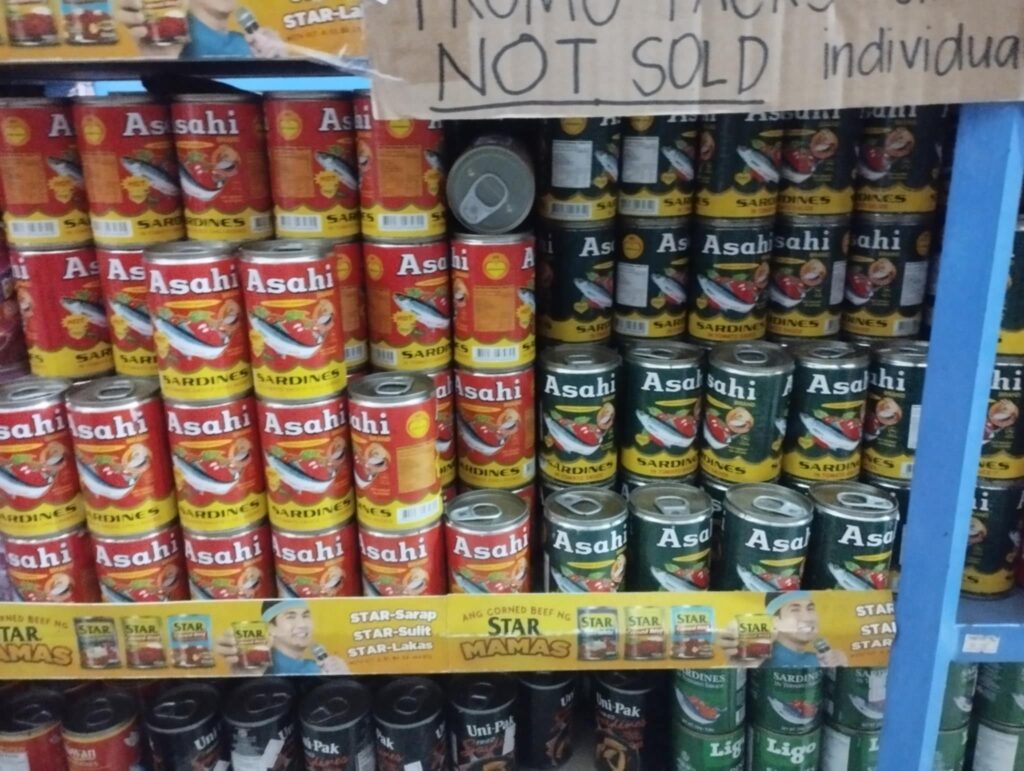
Example: You receive new sardines expiring in 2027. Your old stock expires in 2026. Move the 2026 cans to the front before placing the new ones.
The color code system
Use small colored stickers on items.
- Red: expires this month
- Yellow: expires in three months
Example: A store owner uses red stickers for near-expiry biscuits. When customers ask for snacks, the tindera disposes products with the red-sticker items first.
Low-tech tracking
Keep a simple expiry logbook near your counter. List items that will expire in the next thirty days.
Example: Your logbook shows that four cans of tuna expire on March 15. You now have two weeks to sell them through promos.
Managing near-expiry goods
When an item is two to four weeks away from expiring, you still have time to save your profit.
The markdown strategy
Offer a flash sale. Sell the item at cost just to get your capital back.
Example: A pack of biscuits expiring in ten days normally sells for ₱12. You sell it for ₱8 (your cost). You lose the profit but save your capital.
Product bundling
Bundle a near-expiry item with a fast-moving product.
Example: “Buy 2 soft drinks, add ₱5 for biscuits.” Customers feel they’re getting a deal, and you clear your stock.
Personal consumption
If an item is two days away from expiry and hasn’t sold, use it for your family’s meal. Better than throwing it away.
Supplier returns
Some major distributors have bad order policies. Ask your suking wholesaler if they accept returns for near-expiry items.
Example: Nestlé and Unilever distributors often accept returns for damaged or near-expiry items if you report early.
Better management and sustainability
Smart ordering
Only buy what you can sell in two weeks for perishables and two months for canned goods.
Example: If your store sells only five loaves of bread a day, don’t buy ten “para may extra.” Buy just enough.
Proper storage
Store items away from direct sunlight and heat. Keep flour and grains in airtight containers to prevent weevils.
Example: A store owner places biscuits near the window. The heat softens them, making them unsellable even before expiry.
Sustainability tip
For items that do expire, consider composting or donating to local livestock raisers instead of throwing them in the landfill.
Example: A neighbor raising pigs gladly accepts expired bread or fruits. You reduce waste and help someone else.
Conclusion: expiry management is profit management
Handling expired goods is not just about avoiding fines or keeping customers safe. It is about protecting your capital, maximizing your profit, and running your sari-sari store like a true entrepreneur.
With simple systems like FEFO, color coding, and logbooks, you can dramatically reduce losses and keep your shelves moving. A zero-waste, max-profit mindset ensures your store stays competitive, sustainable, and trusted by your community.