- Sari‑sari stores thrive because they match the daily rhythm, habits, and micro‑needs of Filipino households.
- Product placement is not random — it follows predictable psychological triggers shaped by tingi culture and suki relationships.
- Small layout changes can increase impulse buying, speed up transactions, and boost daily income.
- Understanding how Filipinos think, shop, and decide helps you design a store that “sells even when you’re not selling.”
The sari‑sari store is more than a neighborhood shop — it’s a cultural institution. It’s where people buy tingi, ask for utang, get their morning coffee sachet, and pick up a quick snack for their kids. Even with the rise of supermarkets and hard discounters, sari‑sari stores remain dominant because they understand the Filipino way of buying: small, frequent, and based on habit.
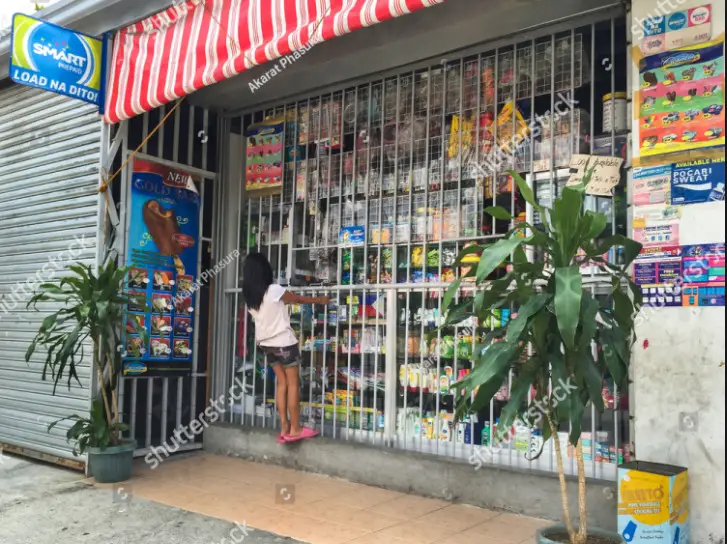
To maximize sales, you need to align your store layout with Filipino consumer psychology. Here’s how to do it.
The tingi mindset and eye‑level priority
Filipinos buy based on what they need today — not for the whole week. This “hand‑to‑mouth” buying behavior makes eye‑level placement extremely powerful.
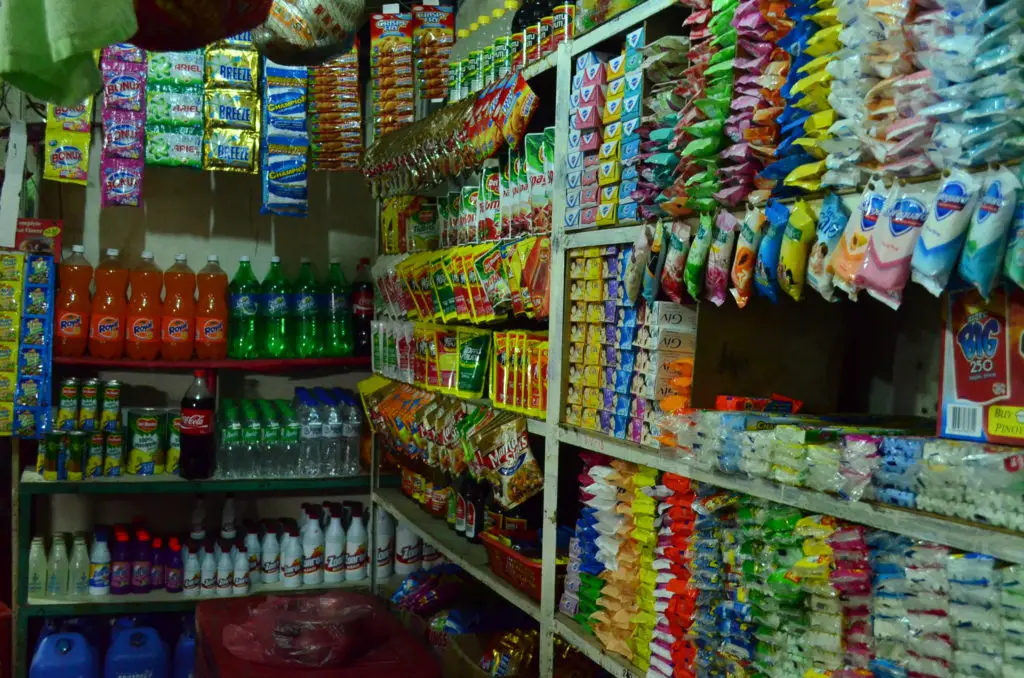
The sachet wall
Place your most colorful, fast‑moving sachets (coffee, shampoo, detergent, soap) at eye level near the front opening of your store.
Why it works: Seeing a wall of sachets triggers “impulse replenishment.” A customer may come for eggs but suddenly remember they need coffee for tomorrow morning.
Placement hack
- Left side: Morning needs (coffee, creamer, sugar)
- Right side: Cleaning needs (shampoo, soap, detergent)
This mental mapping helps customers scan faster and reduces the time they spend deciding.
The palaman and ulam association
Filipinos shop by meal category. When they buy bread, they automatically think of what goes inside it. When they buy rice, they think of ulam.
Bundling by sight
Place canned sardines, corned beef, instant noodles, and spreads near your eggs and bread.
Why it works: This is cross‑merchandising. You reduce “mental friction” by placing related items together. Customers don’t need to ask or look around — everything they need for a meal is in one spot.
The inflation shift
With inflation affecting meat prices, highlight affordable protein alternatives:
- Canned tuna
- Textured soy protein
- Budget corned beef
Place these in your most visible ulam section to guide customers toward value options.
The waiting zone impulse
There is always a small waiting period while you scoop rice, get change, or pack items. This is your highest‑profit window.
The counter treats
Place single‑pick items like candies, biscuits, matchboxes, and small snacks right where customers hand over their money.
Why it works: This taps into “barya psychology.” If a customer has ₱2 or ₱5 left, they are very likely to spend it on a small treat if it’s within reach.
The suki trust and transparency
Filipinos are brand‑loyal and quality‑conscious. They want to see freshness and abundance.
The clear view rule
Keep your Big 3 — rice, oil, sugar — in clean, transparent containers at the back but fully visible.
Why it works: A full sack of rice or a clean oil dispenser signals freshness and reliability. Dusty or half‑empty containers create subconscious doubt.
QR placement
Place your GCash and Maya QR codes at eye level on the counter.
Why it works: It signals that your store is modern, trustworthy, and convenient — encouraging higher‑value digital transactions.
Strategic product mapping
| Zone | Product Category | Psychological Trigger |
|---|---|---|
| The Front Gate | Shampoo, coffee, soap | Visibility: Reminds them of daily essentials |
| The Bread Corner | Eggs, spreads, condensed milk | Association: Solves “What’s for breakfast?” |
| The Bottom Shelf | Water gallons, heavy detergents | Practicality: Items they know you have |
| The Golden Circle | Candies, biscuits, matches | Micro‑spend: Uses leftover barya |
Everyday layout hacks
The shadow rule
Make sure overhead light or sunlight doesn’t cast shadows on your shelves. A dark shelf looks old and unappealing.
The height rule
Place kids’ snacks (Chippy, Ding Dong, cookies) at lower levels — around 3 to 4 feet high.
Why it works: Kids are major influencers. If they can see it and touch it, parents are more likely to buy it.
The vibe factor
Use a small chalkboard for “Today’s Best Seller.”
Examples:
- “Mainit na Pandesal”
- “Bagong Yelo”
- “Fresh Eggs Today”
Highlighting an item creates urgency and increases demand.
Conclusion
A sari‑sari store succeeds when it mirrors the daily habits and psychology of its community. Filipinos buy based on routine, convenience, and visual cues — and your layout should reflect that.
Here’s your action plan:
- Build a strong sachet wall at eye level.
- Group products by meal category and daily routines.
- Maximize the waiting zone for impulse buys.
- Show freshness and abundance through clear containers.
- Use strategic lighting, kid‑level placement, and a “best seller” board.
When your store layout aligns with Filipino consumer psychology, every shelf becomes a silent salesperson — helping you earn more without raising prices.