In today’s fast-paced world, subscription models have quietly become part of everyday life for many Filipinos. From streaming services like Netflix and Spotify, to monthly mobile data plans, online learning platforms, and even grocery or meal‑kit deliveries, paying for convenience and continuous access is now the norm.
What was once seen as a luxury has turned into a practical lifestyle choice, helping busy Filipinos manage their time, budget, and entertainment. This growing trend shows how the Filipino consumer has embraced digital transformation, blending modern technology with the country’s strong sense of value for money and community connection.
- The subscription model is now widely used by Filipino MSMEs—not just big tech companies.
- Recurring billing stabilizes cash flow, protects you from slow months, and increases customer lifetime value.
- Any business—food, services, retail, or consulting—can adapt this model with the right structure.
- Subscriptions make your business more predictable, scalable, and resilient against inflation.
With rising operational costs, unpredictable customer traffic, and tighter competition, MSMEs need stable, recurring revenue more than ever. Subscriptions turn occasional buyers into long-term customers—giving you predictable cash flow and a stronger business foundation.
Whether you run a coffee shop, laundry service, water refilling station, plant shop, or even a freelance consultancy, you can implement a subscription model that fits your market and boosts your recurring income. Here’s how to understand the model, apply it, and identify which Philippine businesses are perfect for it.

The three main subscription types
Subscriptions come in different forms. In the Philippine market, three models consistently perform well.
Replenishment subscriptions
These automate the purchase of items customers regularly consume.
- How it works: Customers pay monthly to receive essential items on schedule.
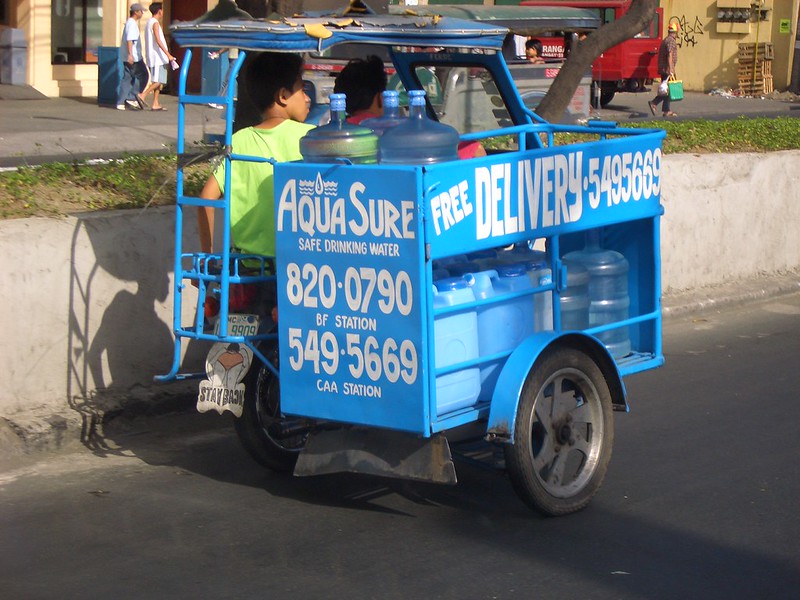
- Example: A water station offering a “10‑Gallon Monthly Plan” with free delivery.
Why it works: Customers love convenience, and you get guaranteed monthly sales.
Curation subscriptions
These offer a curated selection of items that surprise and delight customers.
- How it works: Customers receive themed boxes or bundles.
- Example: A “Pinoy Snack Box” featuring delicacies from different provinces.
Why it works: Perfect for gift‑giving, OFWs, and niche hobby communities.
Access subscriptions
These give customers exclusive perks, discounts, or members‑only privileges.
- How it works: Customers pay monthly for access to benefits.
- Example: A co‑working space offering a “Daily Hotdesk Pass” for ₱2,999/month.
Why it works: Customers feel valued and enjoy VIP treatment.

Why subscriptions boost your income
The power of subscriptions lies in increasing Customer Lifetime Value (LTV). Instead of earning once per customer, you earn every month.
The math behind recurring income
One‑time sale:
- You spend ₱500 on ads.
- Customer buys a ₱1,500 item once.
- Your profit is limited.
Subscription model:
- You spend the same ₱500 on ads.
- Customer stays for 12 months at ₱499/month.
- Total revenue = ₱5,988.
By 2026, the most important metric for Filipino MSMEs is the LTV-to-CAC ratio (Customer Lifetime Value vs. Customer Acquisition Cost). Aim for a 3:1 ratio—meaning each customer should bring in at least 3× what it cost to acquire them.
Strategic steps to implement a subscription model
Here’s how to transition from one‑time sales to recurring revenue.
Identify your recurring value
Ask yourself: “What do my customers need every month?”
- If you’re a graphic designer: offer a “Social Media Support Package” with 5 graphics per month.
- If you run a laundry shop: offer a “20kg Monthly Laundry Plan.”
- If you sell coffee: offer a “Weekly Beans Subscription.”
Recurring value = recurring income.
Create tiered pricing
Tiered pricing ensures you don’t scare away budget customers while still offering premium options.
- Basic: Core service only.
- Standard: Most popular features + faster support.
- Premium: All features + 1‑on‑1 access or coaching.
Example: A home cleaning service offering 2, 4, or 8 cleanings per month.
Set up automatic billing
In 2026, manual follow‑ups are inefficient. Use payment gateways with recurring billing:
- Maya Business
- PayMongo
- BillEase
- Stripe (for international clients)
Auto‑debit ensures customers stay subscribed without needing reminders.
Fighting churn (the subscription killer)
Churn is the percentage of customers who cancel each month. In the Philippines, average subscription churn is commonly cited around 4–5% per month, consistent with global benchmarks for consumer‑based subscription services.
Offer a “pause” option
Instead of letting customers cancel, allow them to pause for a month. This prevents up to 40% of cancellations.
Send monthly value reports
Show customers what they’re paying for.
- “This month, we cleaned your home 4 times and saved you 8 hours.”
- “You received 3 curated snack boxes featuring products from Cebu and Davao.”
When customers see value, they stay longer.
Businesses in the Philippines that are perfect for subscription models
Not every business is suited for subscriptions—but many Filipino MSMEs can adopt this model with minimal changes. Here are the strongest, most practical examples across different industries.
Food and beverage businesses
- Coffee shops – Monthly brew pass or weekly beans delivery.
- Milk tea shops – 8‑cups‑per‑month plan with free delivery.
- Home bakers – Weekly bread or pastry box.
- Meal prep services – 5‑day or 20‑meal subscription.
- Water refilling stations – 10‑gallon or 20‑gallon monthly plan.
Home services
- Laundry shops – 20kg, 40kg, or unlimited monthly plans.
- Cleaning services – Weekly or bi‑weekly cleaning packages.
- Pest control – Quarterly preventive maintenance.
- Aircon cleaning – 2x or 4x per year subscription.
Retail and consumables
- Pet supply stores – Monthly pet food + treats bundle.
- Barber shops – Monthly grooming pass.
- Plant shops – Monthly plant + fertilizer bundle.
- Beauty and skincare shops – Monthly skincare refills.
Professional services
- Graphic designers – Monthly social media graphics package.
- Virtual assistants – 20‑hour, 40‑hour, or 80‑hour plans.
- Accountants/bookkeepers – Monthly bookkeeping + quarterly filing.
- Fitness coaches – Workout plan + weekly check‑ins.
- Business consultants – Monthly strategy calls + reports.
Education and digital products
- Tutoring centers – Weekly or monthly tutoring sessions.
- Online course creators – Membership access to all courses.
- Language coaches – Monthly conversation practice.
Automotive and maintenance
- Car wash shops – Unlimited or 4‑wash monthly pass.
- Motorcycle detailing – Monthly cleaning + chain maintenance.
- Oil change centers – Annual maintenance subscription.
Health and wellness
- Massage therapists – 2‑session or 4‑session monthly plan.
- Dermatology clinics – Monthly facials or skincare treatments.
- Gyms – Standard membership + premium coaching tiers.
Is your business ready for subscriptions?
| Question | If Yes | If No |
|---|---|---|
| Is the product used regularly? | Use Replenishment | Consider Access or Curation |
| Is there a high “discovery” factor? | Use Curation | Focus on Access |
| Do you offer expert advice? | Add a Consulting Tier | Focus on physical products |
Conclusion
The subscription model is one of the most powerful ways to stabilize and grow your income in 2026. It transforms unpredictable sales into predictable monthly revenue, increases customer loyalty, and boosts your business valuation.
Whether you’re running a small café, a laundry service, a water station, a plant shop, or a freelance consultancy, you can design a subscription model that fits your customers’ needs and your business goals.
Start small, automate your billing, deliver consistent value, and watch your recurring income grow month after month.