The Philippine automotive landscape is booming. If you’ve spent any time stuck in traffic along EDSA or navigating the busy streets of Cebu or Davao, you’ve seen it firsthand: the number of cars on the road is skyrocketing. According to the Land Transportation Office, there are now over 14.5 million registered vehicles in the Philippines as of 2024.
Furthermore, industry data from CAMPI-TMA shows that new vehicle sales hit a record high of nearly half a million units in 2025 alone, ensuring a massive and growing customer base for car wash entrepreneurs.
For an entrepreneur, those thousands of dusty SUVs, mud-splattered sedans, and grime-covered motorcycles represent a massive opportunity. In a country with unpredictable weather—alternating between dusty dry seasons and muddy monsoons—a car wash isn’t just a luxury; it’s a necessity.
Whether you are an OFW looking to invest your savings, a retiree, or a first-time entrepreneur, starting a car wash business in the Philippines is a proven path to steady cash flow.
Understanding the car wash business model
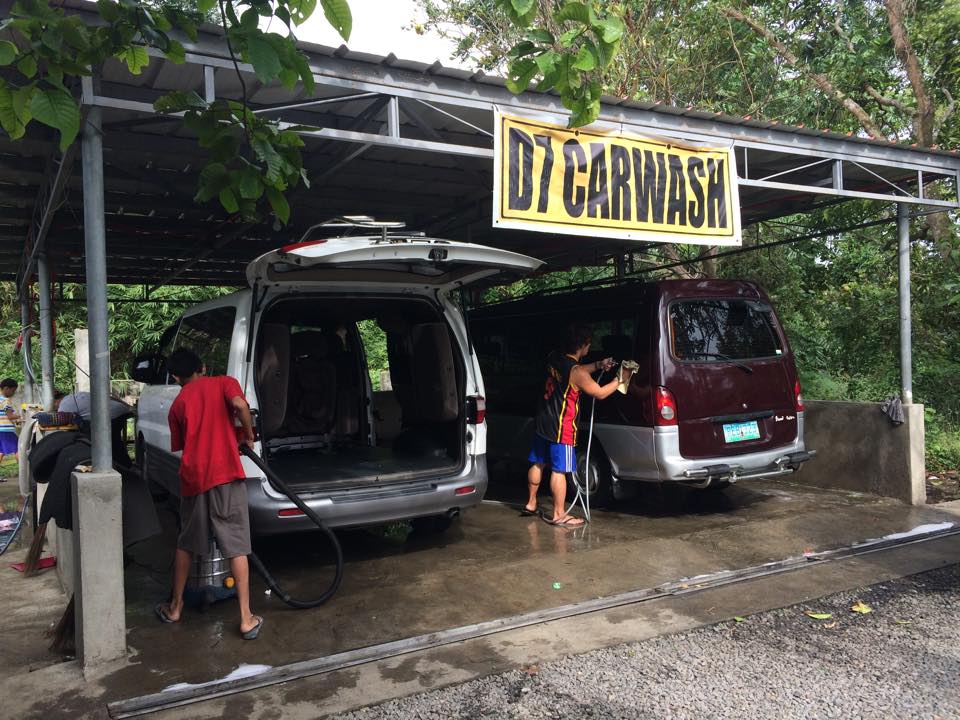
At its heart, a car wash business is about selling time and convenience. Most car owners love their vehicles but lack the equipment, space, or energy to clean them properly at home.
What a car wash business really is
It’s more than just soap and water. You are providing vehicle maintenance. While the “Wash and Drive” is your bread and butter, the real profit often lies in value-added services. Your customer base will be diverse:
- Daily commuters: People who want their cars looking sharp for the office.
- TNVS drivers: Grab and JoyRide drivers who need to maintain high ratings for cleanliness.
- Company fleets: Local businesses with delivery vans that need regular upkeep.
- Flood-prone areas: Motorists who need underwash services after traversing salty or muddy floodwaters.
Types of car wash setups
Choosing the right “flavor” of car wash depends on your budget and location.
- Manual car wash: The most common setup in the Philippines. It relies on “boy” power and basic machines. It has low entry costs and high flexibility.
- Self-service car wash: Growing in popularity (especially the coin-operated ones), these allow customers to wash their own cars using your equipment.
- Automated car wash: High-tech tunnels or bays. These require millions in investment but offer incredibly fast turnaround times, making them ideal for malls.
- Mobile car wash: You go to the customer. This is a fantastic “home-based” start for those in gated subdivisions or busy barangays.
| Setup Type | Est. Startup Capital | Speed per Car | Labor Level |
| Mobile | ₱50,000 – ₱120,000 | 45–60 mins | High |
| Manual | ₱150,000 – ₱350,000 | 30–45 mins | Very High |
| Self-Service | ₱250,000 – ₱800,000 | Varies | Very Low |
| Automated | ₱1M – ₱5M+ | 5–10 mins | Low |
For example, a small barangay car wash in Cavite can start with manual washing and vacuuming, then expand to detailing once customer volume grows.
How to choose the right location
In the real estate world, it’s “location, location, location.” In the car wash world, it’s “visibility, accessibility, and drainage.”
A great spot is usually near residential areas or along main roads where traffic slows down. You want a place where a driver can see your sign and think, “I’ve got 30 minutes, might as well get a wash.” Ensure you have enough space for a “drying bay” so cars aren’t blocking the entrance while being wiped down.
Checking the competition
Don’t be afraid of existing car washes. Instead, go there as a customer. Observe their pricing, how long you have to wait, and if the staff is friendly.
If you notice a shop has a long line but no place for customers to sit comfortably, or if they don’t offer motorcycle washes in an area full of riders, you’ve found your “in.”
| Feature | Competitor A (Basic) | Competitor B (Premium) | Your Opportunity |
| Wait Area | Wooden Bench / Hot | A/C Room / TV | Better Wi-Fi / Coffee |
| Bike Wash | No / Shared Lane | Yes (Expensive) | Dedicated Express Lane |
| Speed | 1 Hour+ | 30 Mins | 20-Min “Wash & Go” |
| Payment | Cash Only | Card/G-Cash | Subscription/Loyalty App |
Startup costs and equipment needed
The Philippines offers a wide range of entry points for this business. Here is a breakdown of what you might need to shell out:
Estimated startup capital
| Type of Car Wash | Estimated Capital (PHP) | Best For |
| Mobile Car Wash | ₱50,000 – ₱120,000 | Subdivisions, Home-service |
| Manual Car Wash | ₱150,000 – ₱350,000 | Barangays, Commercial lots |
| Automated System | ₱1M – ₱5M+ | Malls, Gas Stations |
Essential equipment
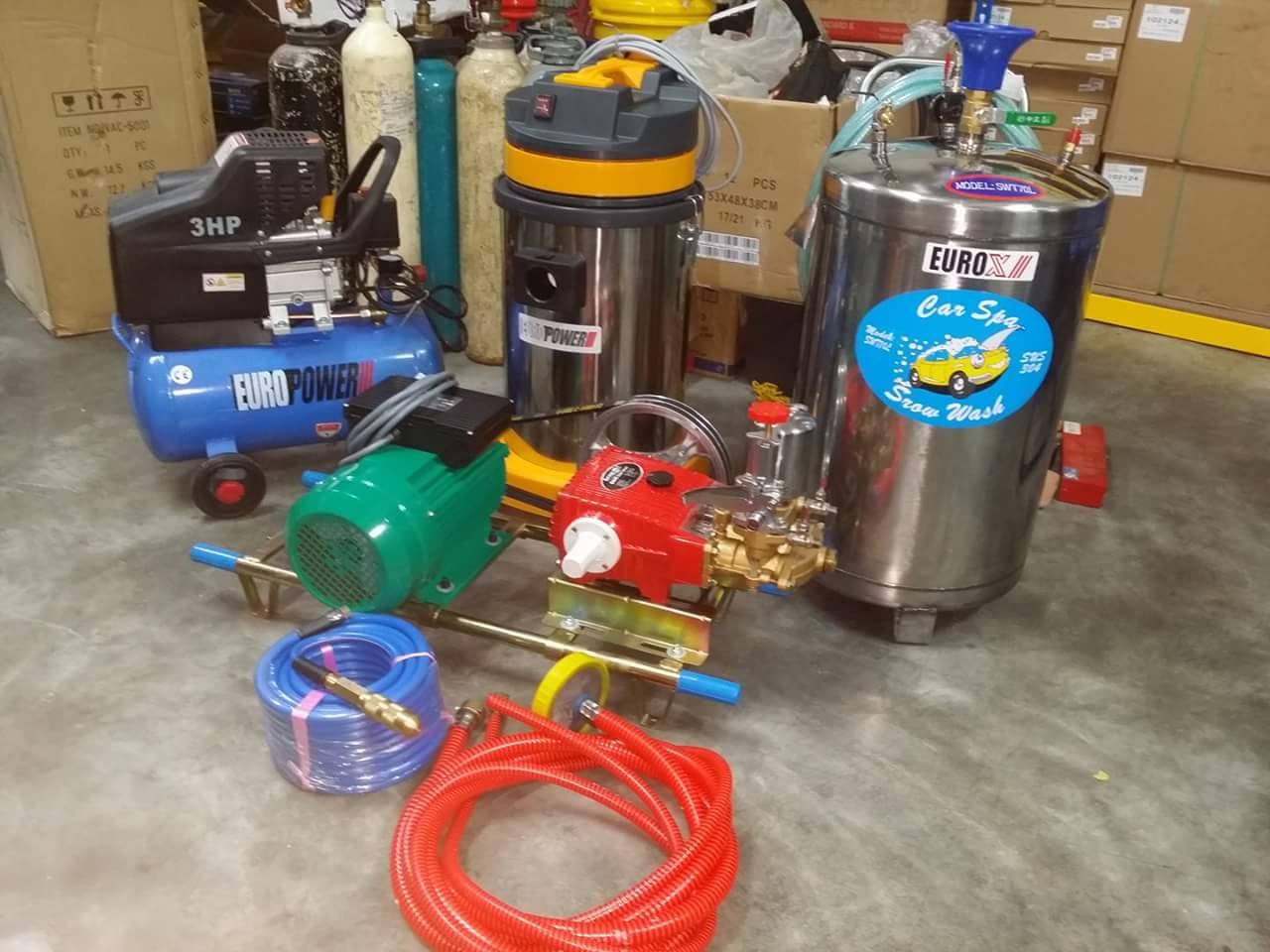
To get started, don’t skimp on the “Big Three”:
- High-pressure washer: The workhorse of your shop.
-
Bosch Advanced Aquatak 140: High performance for stubborn dirt (₱14,999).
-
Lotus LTPW1400C2X: A popular, budget-friendly entry model (₱2,989).
-
Ingco (2320 PSI / 2000W): Heavy-duty commercial choice (₱6,750).
-
- Air compressor: Essential for blowing out water from crevices and powering pneumatic tools.
-
Vespa 2HP Belt-Driven (Taiwan): Highly trusted for professional longevity (₱20,400).
-
MailTank Oil-less 1.7HP: A “noiseless” option ideal for residential areas (₱8,499).
-
- Industrial vacuum: For that deep interior clean.
-
Stanley 30L Wet & Dry: A powerhouse that also includes a blower function (₱4,500–₱6,000).
-
Crown 80-Liter Wet/Dry: Massive capacity for high-volume shops (₱9,885).
-
- Consumables: High-quality car shampoo, tire black, and microfiber towels (lots of them!).
| Item | Professional Choice | Budget/Entry Choice | Why it matters |
| Pressure Washer | Bosch Advanced (₱14,999) | Lotus 1400W (₱2,989) | Speed of dirt removal |
| Air Compressor | Vespa 2HP (₱20,400) | MailTank 1.7HP (₱8,499) | Dries crevices; inflates tires |
| Wet/Dry Vac | Ridgid 60L (₱21,900) | Stanley 30L (₱4,500) | Deep interior sanitation |
| Car Shampoo | Meguiar’s Gold Class | MicroMagic Wash & Wax | Protects paint clear-coat |
Legal requirements and registration
Operating “colorum” (unregistered) might be tempting, but it will haunt you when you try to expand or deal with water utility companies. In 2026, the Philippine government has streamlined the process through the Philippine Business Hub (PBH), but the core steps remain essential.
Business registration
- Department of Trade and Industry vs. SEC: DTI: Best for solo entrepreneurs. It’s fast, can be done online, and costs between ₱230 to ₱2,030 depending on the territorial scope (Barangay to National).
- SEC (Securities and Exchange Commission): Required if you have partners or want to form a corporation (including a One Person Corporation). This offers limited liability, protecting your personal assets from business debts.
- Barangay Clearance: This ensures the local community is okay with your operation. You’ll need your DTI/SEC certificate and a lease contract to apply.
- Mayor’s Permit (Business Permit): Your primary license to operate. The LGU will check your “Locational Clearance” to ensure a car wash is allowed in that specific zone.
- BIR (Bureau of Internal Revenue): You must register within 30 days of your DTI/SEC issuance. Note that under the Ease of Paying Taxes Act (RA 11976), the ₱500 annual registration fee has been abolished—you only need to pay the ₱30 Documentary Stamp Tax (DST).
Imagine this scenario: A startup car wash in Laguna was delayed for 3 weeks because they didn’t secure a drainage plan early. Always check LGU requirements first to avoid hefty fines.
Sourcing suppliers and materials
For equipment, you can check local hardware giants or specialty shops in areas like Binondo or online via Shopee and Lazada. However, for chemicals, try to find a wholesale distributor.
Red flags to watch for and avoid:
- Suppliers who offer no warranty on machines.
- “Unbranded” chemicals that smell strongly of kerosene—these can ruin a customer’s paint job and kill your reputation instantly.
Hiring staff and training
Your “wash boys” are the face of your business. You need people who are physically fit and have a “sharp eye” for dirt.
Training is non-negotiable. Teach them the “Top-Down” method to avoid dragging floor grit onto the roof and scratching the paint. Teach them to be polite. A staff member in Quezon City once told me they greet repeat customers by name—that simple gesture creates a “suki” (loyal customer) faster than any discount.
Services you can offer
Don’t just stop at a basic wash. The “Wash and Vacuum” is your hook, but the “add-ons” are your profit.
- Core: Exterior wash, vacuum, tire black, underwash.
- High-Margin: Engine detailing, glass acid rain removal, and ceramic coating.
- Bundles: Create packages like the “Rainy Day Special” (Wash + Wax + Glass Treatment) to encourage higher spending.
Managing customers and building loyalty
The Philippine market loves a good deal. Implementing a Loyalty Card (e.g., “10th wash is free”) is a classic tactic that works. Also, focus on the waiting area. If you provide a clean bench, free Wi-Fi, or even just a cold water dispenser, customers won’t mind the 30-minute wait.
While the “10th wash is free” punch card is a classic, 2026 trends show a shift toward digital loyalty. Physical cards are often lost or forgotten in glove compartments.
- Digital stamp apps: Consider using localized platforms like ZAP Philippines or RUSH. These allow customers to register using just their mobile number.
- Tiered rewards: Instead of one big reward at the end, offer “milestone” perks. For example, a free tire shine on the 3rd visit and a free engine wipe on the 6th. This keeps the momentum going.
- Subscription models: Modern shops are adopting the “Unlimited Wash” monthly pass. For a flat fee (e.g., ₱999/month), customers can wash as often as they like. This provides you with predictable recurring revenue, rain or shine.
If a customer complains about a smudge, don’t argue. Fix it immediately and maybe offer a small discount on their next visit. Word-of-mouth travels fast in Pinoy neighborhoods.
Daily operations and cashflow
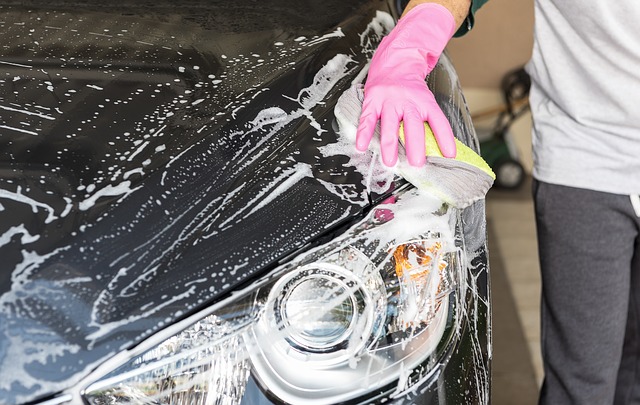
Managing a car wash business has a lot to do about managing resources. Water and electricity bills can eat your profits if you aren’t careful.
- Track usage: See how many cars a single gallon of car shampoo can wash.
- Peak hours: You’ll be slammed on weekends and empty on Tuesday mornings. Consider “Happy Hour” promos during slow weekdays to attract customers on lean days/hours, keep the staff busy and maintain business going.
- Cash reconciliation: Always check your logbook against the cash in the drawer at the end of every day.
Pricing strategy
Don’t just follow the guy down the street. If you offer a superior waiting experience and use high-quality microfibers, you can—and should—charge a premium. In 2026, Filipino car owners are increasingly willing to pay ₱50–₱100 more for the peace of mind that their paint won’t be scratched.
A car wash in may gain repeat customers by offering a free wash after 10 visits—simple, effective, and perfectly suited to the local “suki” mindset.
Common challenges of a car wash business
- Water supply: If the local water line is weak, invest in a large stainless steel water tank.
- Weather: When it rains, people don’t wash their cars. Use this time to offer “Interior Deep Cleaning” or “Upholstery Shampooing” which can be done under a roof.
- Staff turnover: It’s a tough job. Treat your workers well, provide snacks, and perhaps a commission for every “premium” service they sell.
The sustainability angle: water management
Being “green” isn’t just for the environment, it’s for your bottom line. Water costs are rising, and the DENR is becoming stricter with inspections.
Why sustainability matters
Traditional car washes can use over 200 liters of water per car. By implementing water conservation, you reduce your monthly utility bills and future-proof your business against water shortages.
Eco-friendly practices
- Water recycling systems: Modern filtration systems can reclaim up to 80-90% of your wash water. While the initial investment is higher, it pays for itself in reduced water bills and regulatory compliance.
- Oil-water separators: This is often a legal requirement. It traps grease and oil before the water enters the public drainage.
- Biodegradable chemicals: Use phosphate-free soaps that don’t harm aquatic life when discharged.
- Waterless wash options: For mobile services, consider “dry wash” sprays that use polymer technology to lift dirt without a single hose.
Tips for long-term success
To stay “evergreen,” you must evolve. Don’t let your equipment get rusty. Keep your towels clean—nothing turns off a car enthusiast faster than seeing a dirty rag touch their car. As you grow, consider building partnerships with local Grab hubs or tricycle associations to ensure a steady stream of vehicles even during the off-season.
Conclusion
Starting a car wash in the Philippines is a marathon, not a sprint. It requires grit, attention to detail, and a genuine love for customer service. By choosing a high-visibility location, investing in quality gear, and treating your staff like partners, you can turn a simple plot of land into a thriving, profitable hub.
Ready to take the plunge? Start by scouting your neighborhood this weekend. Look for that one corner where cars are plenty but car washes are few. Your entrepreneurial journey starts with a single bucket and a lot of hustle.