Vegetable farming on a 100–200 sqm lot can generate ₱30,000 to ₱80,000 profit every 2–3 months when managed intensively. Even small urban spaces—backyards, rooftops, and idle residential lots—can produce hundreds of kilos of high‑demand vegetables. Fast‑growing crops (25–60 days), raised beds, and vertical trellising allow multiple harvests per year, making this one of the most profitable small‑lot agribusinesses for Filipino families.
- Small lots (100–200 sqm) can earn more than traditional farming through intensive planting and fast‑cycle vegetables.
- Startup capital of ₱8,000–₱15,000 is enough to begin producing market‑ready vegetables within 30–45 days.
- Urban demand from restaurants, supermarkets, and households ensures steady buyers.
- Government programs support urban agriculture with free seeds, compost, and training.
Small‑lot vegetable farming is one of the most practical agribusinesses for Filipinos living in towns and cities. With rising food prices and strong demand for fresh vegetables, even a 100 sqm backyard can become a productive mini‑farm.
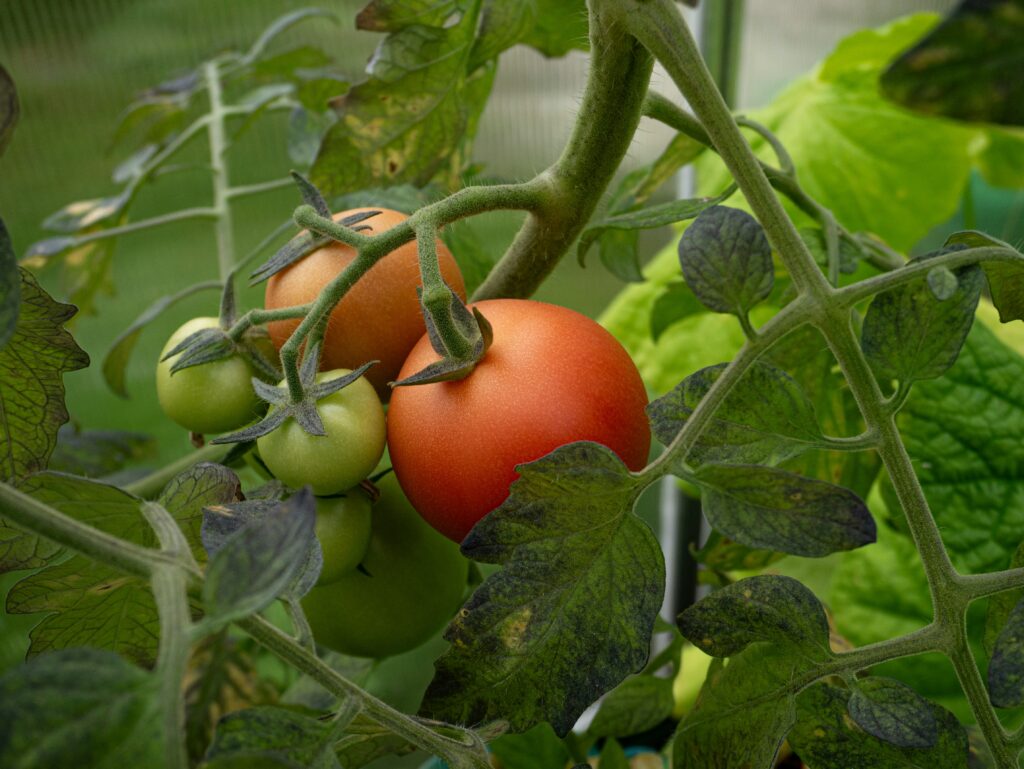
The Department of Agriculture continues to promote urban agriculture, providing free seeds and training to encourage families to grow their own food and earn extra income.
For stay at home parents, teachers, freelancers, and sari‑sari store owners, vegetable farming offers a low‑risk, high‑return livelihood that fits into daily routines. With proper planning, a small lot can produce vegetables every month, creating a steady income stream.
Best vegetables for intensive small‑lot farming
Choose vegetables that grow fast, have strong market demand, and thrive in Philippine climate.
Fast harvest vegetables (25–35 days)
- Pechay/Bok Choy — 6–8 cycles per year; ₱50–₱100/kg; ideal for raised beds.
- Kangkong — Cut‑and‑come‑again; ₱40–₱80/kg; thrives in wet beds or containers.
- Lettuce — High demand from restaurants; ₱80–₱150/kg.
- Mustasa/Sawi — Multiple harvests; ₱40–₱70/kg.
Medium harvest vegetables (45–60 days)
- Okra — Continuous picking for 3 months; ₱80–₱150/kg.
- Ampalaya — Vertical trellis crop; ₱60–₱120/kg.
- Sigarilyas — High yield; ₱70–₱120/kg.
- Sitaw — Multiple pickings; ₱60–₱100/kg.
Root crops (60–90 days)
- Kamote tops — Leaves + tubers; ₱50–₱90/kg.
- Ubi (Purple yam) — Long storage life; ₱80–₱150/kg.
Space‑maximizing layout for 100–200 sqm
Intensive farming focuses on maximizing every square meter through raised beds, trellises, and crop rotation.
| Area Allocation | Percentage | Purpose |
|---|---|---|
| Raised beds | 60% | Leafy greens and fast crops |
| Trellis area | 20% | Ampalaya, sitaw, sigarilyas |
| Pathways | 10% | Mulched for weed control |
| Nursery/compost area | 10% | Seedling production and soil prep |
A 100 sqm lot can support 1,200–1,800 plants at any given time using this layout.
Startup cost breakdown
You can start a productive 100 sqm vegetable farm with ₱8,000–₱15,000.
| Item | Estimated Cost | Notes |
|---|---|---|
| Raised bed materials | ₱3,000 | Hollow blocks, soil, compost |
| Seeds (10 varieties) | ₱2,000 | Good for 2 cropping cycles |
| Trellis materials | ₱2,000 | Bamboo, wire, stakes |
| Organic fertilizer | ₱1,500 | Chicken manure, vermicast |
| Mulch materials | ₱500 | Rice hull, dried leaves |
| Tools and watering cans | ₱1,000 | Basic hand tools |
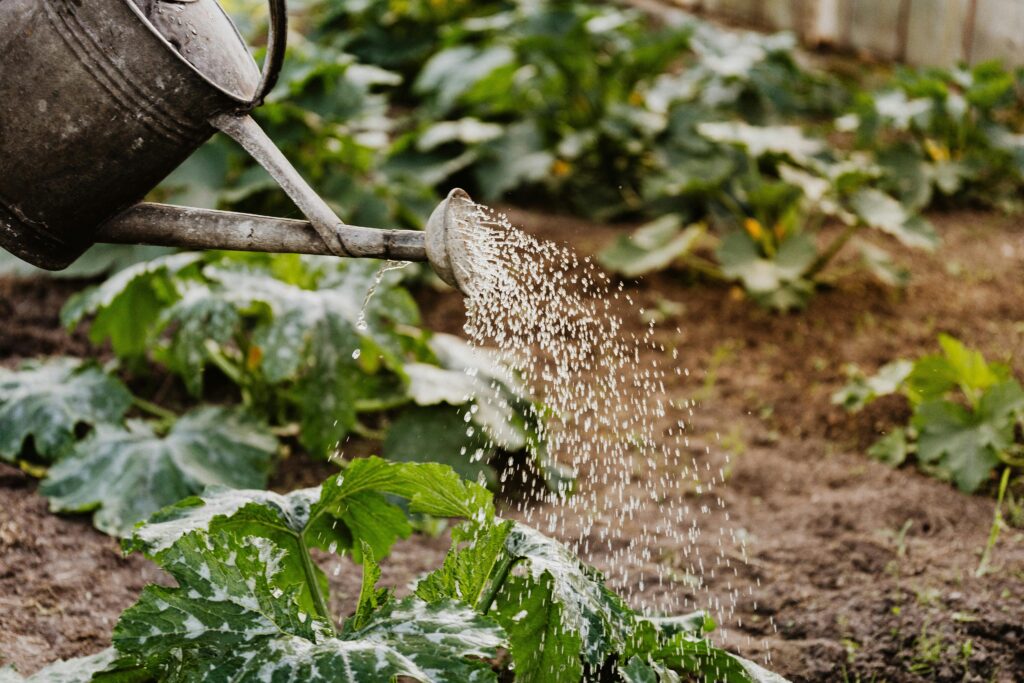
Step‑by‑step farm preparation
Land preparation
- Clear weeds and level the ground.
- Mark raised bed locations (1m x 5m each).
- Build beds using hollow blocks or bamboo.
- Fill with 50% garden soil + 50% compost.
- Install trellis supports for vining crops.
Soil preparation
- Apply 2 kg chicken manure per sqm.
- Add 1 kg vermicast per sqm.
- Cover with 2 cm rice hull mulch.
- Water thoroughly and rest for 3 days.
Planting schedule
- Week 1: Pechay, mustasa (Beds 1–4)
- Week 2: Kangkong, lettuce (Beds 5–8)
- Week 3: Okra, sitaw (trellis area)
- Week 4: Ampalaya seedlings (trellis)
Intensive planting techniques
Proper spacing and vertical growing maximize yield.
- Pechay — 25cm x 25cm spacing
- Lettuce — 25cm x 30cm spacing
- Okra — 40cm x 50cm spacing
- Ampalaya — 1m between plants on trellis
- Sitaw — 20cm spacing along trellis
- Sigarilyas — 50cm spacing
Daily and weekly farm management
Daily tasks (20 minutes)
- Water in the morning using hose or drip system.
- Check for pests and diseases.
- Return fallen leaves to beds as mulch.
Weekly tasks (2 hours)
- Apply organic fertilizer (chicken dung tea).
- Harvest mature vegetables.
- Replant harvested areas.
- Weed pathways and trellis areas.
Pest and disease management
Use organic and cultural methods to keep your farm chemical‑free.
- Neem oil spray — aphids, leaf miners
- Chili‑garlic spray — armyworms
- Wood ash — slugs and snails
- Tobacco spray — fungal diseases
- Crop rotation every 3 cycles
- Companion planting (marigold + tomatoes)
Expected yields and profitability
A well‑managed 100 sqm farm can produce:
| Crop | Monthly Yield | Price | Revenue |
|---|---|---|---|
| Pechay | 200 kg | ₱60/kg | ₱12,000 |
| Kangkong | 150 kg | ₱50/kg | ₱7,500 |
| Okra | 80 kg | ₱100/kg | ₱8,000 |
| Lettuce | 50 kg | ₱100/kg | ₱5,000 |
Total monthly revenue: ₱32,500
Estimated monthly net profit: ₱24,500
Harvesting and marketing schedule
Harvest timeline:
- Day 25–30: Pechay, kangkong, mustasa
- Day 45–60: Okra, lettuce, sitaw
- Day 60–90: Ampalaya, sigarilyas
Best market channels:
- Wet markets (early morning sales)
- Restaurants and carinderias
- Supermarkets (packaged greens)
- Facebook groups and neighborhood buyers
Government support programs
- DA Urban Agriculture Program — free seeds, training, compost.
- Organic farming certification support.
- LGU compost distribution and buy‑local campaigns.
- Agri‑Pinoy trading posts for market access.
Multiple cropping calendar
A simple 3‑month rotation keeps your farm productive year‑round.
- Month 1: Pechay + kangkong + okra
- Month 2: Lettuce + mustasa + sitaw
- Month 3: Replant fast crops + harvest trellised crops
Yearly income potential: ₱250,000–₱400,000
Scaling and diversification
- Phase 1: Perfect basic system → ₱20,000/month
- Phase 2: Add hydroponics → ₱40,000/month
- Phase 3: Value‑added + delivery → ₱80,000+/month
High‑value add‑ons:
- Microgreens (₱500–₱1,000/kg)
- Herb bundles (basil, tanglad, oregano)
- Ready‑to‑cook vegetable packs
- Subscription veggie boxes
Common beginner mistakes
- Overwatering, causing root rot.
- Planting only one crop (income gaps).
- Poor spacing leading to disease spread.
- Late harvesting, reducing quality.
- Ignoring soil fertility and composting.
Conclusion: Small space, serious income
A 100–200 sqm vegetable farm can replace a regular salary when managed intensively. With fast‑growing crops, raised beds, vertical trellising, and staggered planting, even small urban lots can produce steady income every month. Government support, strong market demand, and low startup costs make this one of the most reliable agribusiness opportunities for Filipino families.
Start small, master the system, then scale smart. Within 60 days, your backyard can begin generating consistent income from fresh, in‑demand vegetables.