- Delivery apps can boost sales but require big operational adjustments.
- Success depends on consistency, packaging quality, and data tracking.
- Partnering with riders and managing commission costs keeps margins healthy.
- Apps teach small carinderias to professionalize and think like real restaurants.
How delivery apps change a carinderia’s daily operations
Partnering with food delivery platforms like GrabFood, Foodpanda, or Maxim changes everything from your prep time to your closing routine. Orders no longer depend on foot traffic alone—they come in bursts, usually during lunch, dinner, or payday weekends.
That unpredictability means you must be ready anytime. Many carinderias that do well online pre‑portion their ulam early, keep backup batches ready, and improve inventory tracking to avoid spoilage.
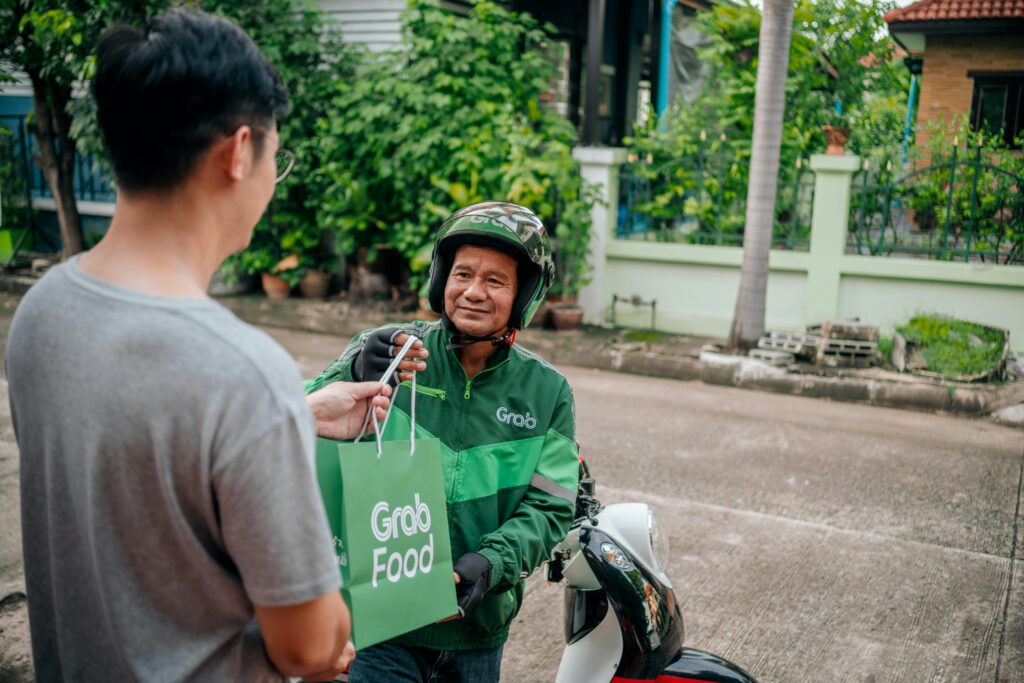
Delivery also forces consistency. In a dine‑in setup, customers forgive slight changes in taste or portion. But online, every dish must look and taste exactly like its photo—or your ratings will drop fast. This pushes owners to standardize recipes, portions, and packaging quality.
The real cost of being on delivery apps
The first reality check is the commission fee, which often ranges from 20% to 30% per order. For a ₱120 meal, the platform may take ₱24–₱36. That’s manageable only if you adjust your pricing or tweak your menu strategy.
- Increase delivery menu prices slightly to absorb app fees.
- Offer bundle meals or “sulit” combos that remain profitable after deductions.
- Limit the online menu to top sellers that travel well and have high margins.
Packaging adds another challenge. Delivery needs leak‑proof containers that cost ₱5–₱15 each. Over hundreds of deliveries, that’s a major expense unless you buy in bulk from wholesalers like Plastic Mart or Divisoria 168.
Example: A carinderia in Caloocan added ₱10 per takeout meal but improved packaging and photos. Within three months, their Foodpanda rating rose to 4.8 stars, making the higher price acceptable to customers.
What you learn about packaging and food quality
Delivery quickly shows which ulam survive the ride—and which don’t. Crispy dishes like fried chicken or lumpia turn soggy, while saucy items can leak if not sealed properly.
- Use thicker microwavable containers that stay sealed under heat.
- Separate sauces from rice using small cups or liners.
- Add paper liners for fried foods to retain crispness.
- Apply tamper‑proof seals for hygiene and trust.
Good presentation also becomes marketing. According to Foodpanda data, listings with quality food photos get up to 30% more orders. Clean packaging builds customer confidence and earns more stars.
How customer behavior looks different online
Online customers rely on what they see and read—food photos, reviews, delivery times, and portion feedback. Reputation is now digital. One bad review affects visibility, while quick responses boost ranking in the app feed.
- Use clear and appetizing photos (avoid stock images).
- Keep a consistent portion size every time.
- Respond to reviews politely and quickly.
- Maintain fast prep times—apps track slow kitchens.
Online buyers are more expressive—both in praises and complaints. Handle feedback well and you gain repeat customers faster.
Logistics lessons you only learn through experience
Delivery apps reveal weak spots you rarely notice in a dine‑in setup. Coordination and timing become essential parts of daily operations.
- Peak hours (11 AM–1 PM, 6–8 PM) require faster plating and teamwork.
- Riders may cancel or delay—affecting food freshness.
- Bad weather lowers order volumes and slows delivery times.
- Dedicated pickup areas reduce confusion during rush times.
| Operational Challenge | Common Adjustment |
|---|---|
| Late riders | Create a defined pickup zone and use insulated packaging. |
| Peak order rush | Pre‑plate meals and assign a “packing crew.” |
| Order cancellations | Use backup rider options or SMS communication. |
| Mixed dine‑in and delivery | Separate prep zones for dine‑in and takeout. |
Analyze data you never had before
Delivery apps reveal valuable data most small eateries never tracked before. Metrics like daily sales trends, order times, and dish ratings can refine your decisions.
- Identify best‑selling dishes worth promoting.
- Adjust ingredient buying based on real demand.
- Compare weekday vs. weekend performance.
- Track repeat orders and customer satisfaction.
Example: A Cebu eatery noticed “Sinigang na Baboy” sold fast at lunch but not dinner. They now cook it in the morning only, keeping freshness high and waste low.
The importance of being rider‑friendly
Riders are not just couriers—they are your allies in service. How you treat them affects your store’s ratings and speed of delivery.
- Provide shade or a chair for riders waiting in queue.
- Offer free drinking water.
- Prepare exact change when needed.
- Serve rider pickups before dine‑in customers to prevent delays.
Many riders prioritize restaurants that are organized and respectful. Being rider‑friendly helps ensure smoother operations and fewer cancellations.
The biggest lesson: delivery apps are a tool, not a lifeline
Delivery platforms expand your reach but should never replace dine‑in or direct sales. The smartest approach is combining multiple channels for stability.
- Dine‑in: Strengthens local loyalty.
- Takeout: Great for quick service customers.
- Direct orders (Messenger/Viber): No commissions.
- Delivery apps: Boost exposure and data tracking.
| Sales Channel | Pros | Cons |
|---|---|---|
| Dine‑in | Personal touch, loyal clients | Limited reach |
| Takeout | Fast turnover | Requires packaging |
| Delivery apps | Wider reach, data access | High commission fees |
| Direct online orders | No commissions | Manual coordination needed |
A non‑obvious insight: delivery apps force you to professionalize
The biggest transformation happens inside your kitchen. Delivery apps push carinderia owners to act like full‑scale restaurateurs.
- Standardized recipes to ensure consistency.
- Consistent portioning to manage cost.
- Inventory tracking to avoid shortages.
- Menu costing to monitor profitability.
- Customer service protocols for online feedback.
Many OFWs returning to the Philippines find that managing app partnerships teaches valuable business discipline—turning a small carinderia into a system‑driven operation fit for scaling.
Final thoughts
Joining food delivery platforms isn’t just about sales—it’s about modernizing how you run your business. Apps require discipline in timing, packaging, and quality, but the lessons you gain can reshape your entire approach.
As one Pampanga carinderia owner shared, “Before, I just cooked and served. Now I plan, measure, and manage.” That captures the real reward: delivery apps make you think like an entrepreneur, not just a cook.