A carinderia business may look simple—a small stall, a few tables, basic cooking tools, and a good cook. But in reality, running a carinderia is challenging, with tight margins, unpredictable costs, and daily operational hurdles.
Like any business, success requires careful planning, market understanding, and consistent execution. A single overlooked detail can easily derail the entire operation.
This enhanced 2026 guide provides a practical carinderia business plan for aspiring entrepreneurs. Passion for cooking is great—but passion alone is not enough. You need research, strategy, and a realistic understanding of the market.
Market research
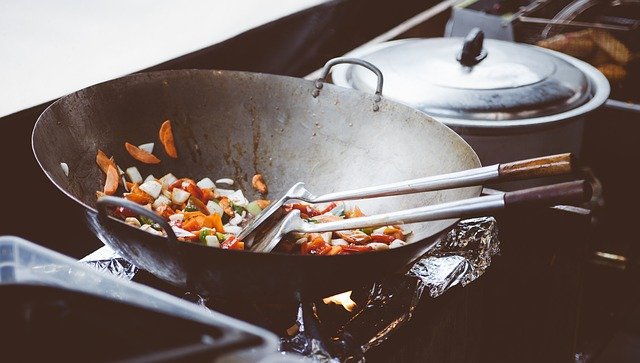
Before opening a carinderia, you must understand your market. Whether your idea came from your love of cooking, a vacant stall in the market, or a lack of food options in your area, research is essential.
Potential customers
Observe the neighborhood where you plan to operate. Ask:
- Who are your potential customers—students, office workers, drivers, laborers, housewives?
- How much can they realistically spend per meal?
- Are they loyal to existing eateries or easily swayed by new options?
- Do they prefer eating out or bringing packed meals?
Existing carinderias
Study your competitors carefully:
- Do they offer a good variety of dishes?
- What are their operating hours?
- Are they legitimate businesses or informal setups?
- Do they maintain good sanitation and food quality?
- What do customers like or dislike about them?
- What are their strengths and weaknesses?
Urban development
Think long-term. Ask:
- Are new buildings, schools, or transport routes planned?
- Will foot traffic increase or decrease in the next 5–10 years?
Available resources
Assess your access to supplies and manpower:
- Are suppliers for meat, vegetables, and seafood nearby?
- Can you buy wholesale to reduce costs?
- Is it easy to hire cooks, dishwashers, and helpers?
- Is the power and water supply stable?
- Do you already own equipment like fridges or freezers?
- Is there a proper waste disposal area?
Financial ability and literacy
Money is a major factor in carinderia success:
- Will you use personal savings or borrow money?
- Do you have a credit line for emergencies?
- Do you understand cash flow, pricing, and profit margins?
- Are you familiar with taxes, permits, and labor laws?
Market research helps you determine whether you’re ready—not just financially, but mentally and operationally—to run a carinderia.
Capital money
Some say ₱15,000 is enough to start a small food delivery setup, but a full carinderia requires more. In 2026, inflation has increased the cost of ingredients, LPG, and equipment.
Before cooking your first dish, you must pay for:
- Barangay permits
- Business registration
- Stall rental (if applicable)
- Initial inventory
If you use your own space and family labor, you can reduce costs significantly. But renting a market stall or hiring an experienced cook signals long-term commitment and may improve food quality.
Low capital does not guarantee success. High capital does not guarantee failure. What matters is how efficiently you use your resources.
Carinderia design
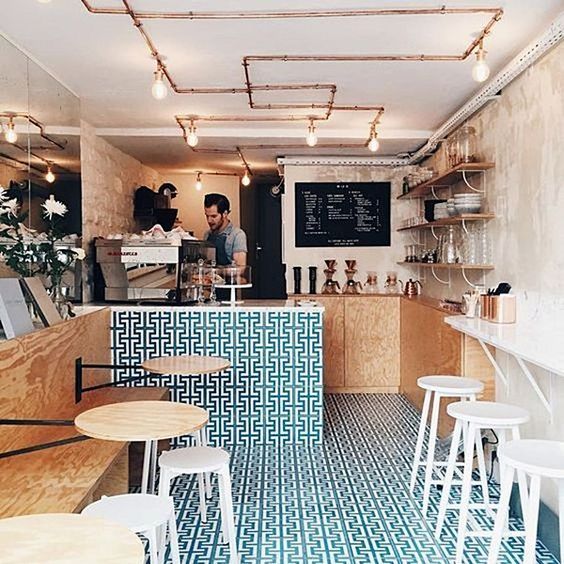
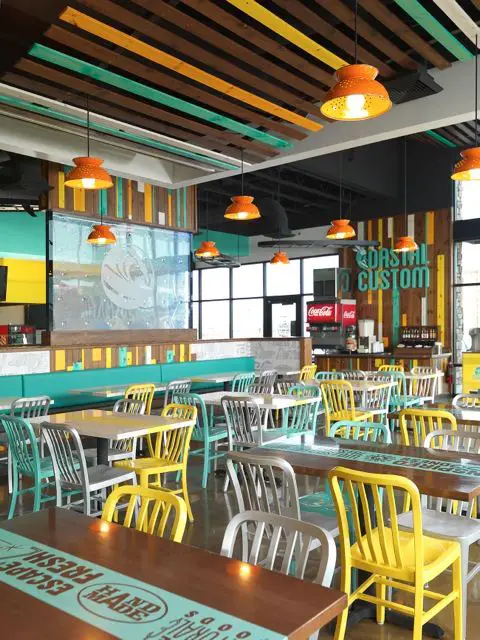
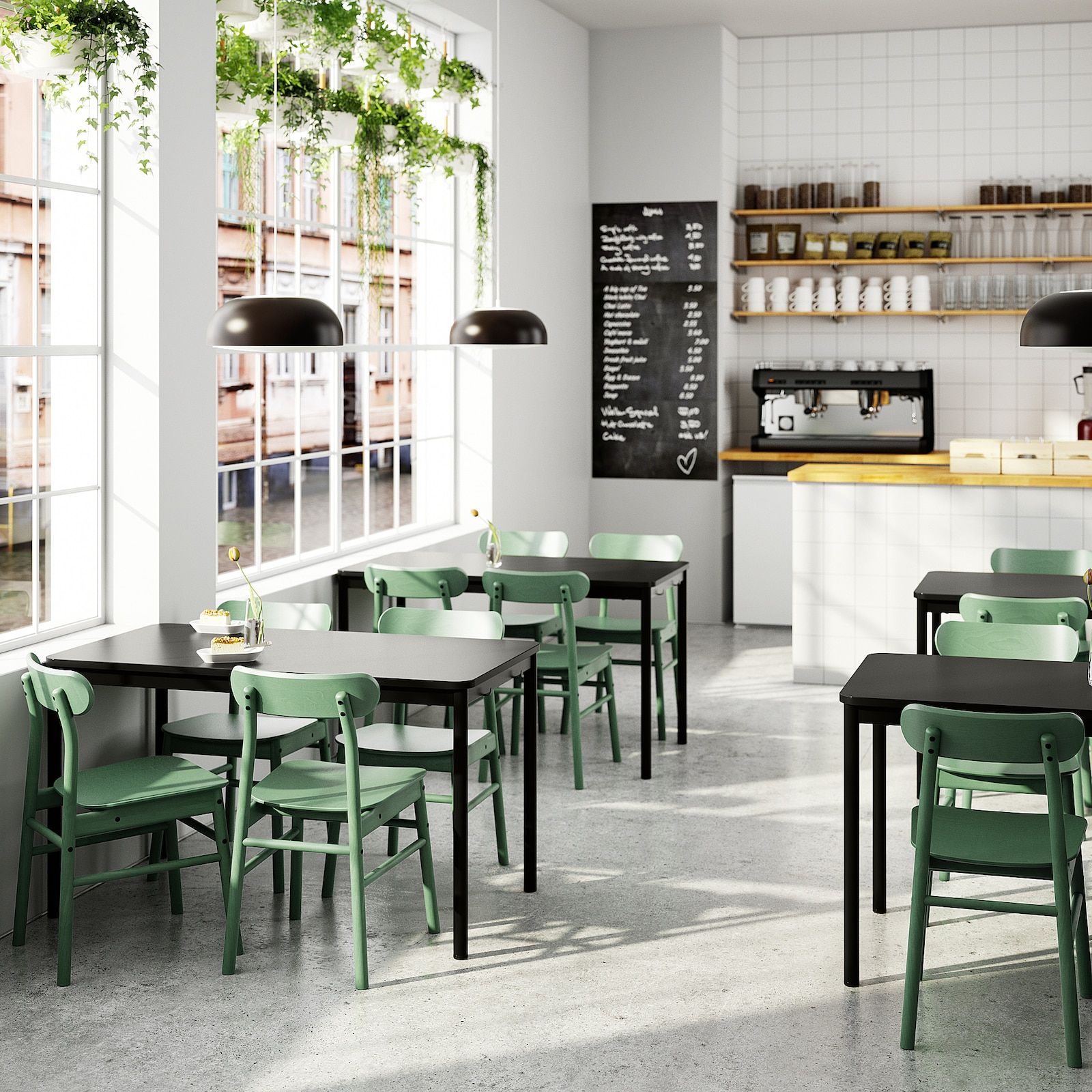
Your design should reflect your brand—clean, inviting, and efficient. Fancy interiors are optional; practicality is essential.
- Do customers stay long or eat quickly?
- Do you want to be “Instagrammable” to attract younger diners?
- Do you have the budget for interior design?
- Is your design practical for your location?
Here are some small-space inspirations:
Manpower resources
A carinderia can be run by one person or a full team. Roles include:
Cook
The heart of the business. Food quality determines customer loyalty.
Manager
Often the owner—handles operations, customer service, and problem-solving.
Cleaner
Ensures sanitation and prepares tables for the next customer.
Dishwasher
Maintains clean tableware and prevents cross-contamination.
Cashier/Accountant
Handles payments, inventory, menu costing, and cash flow.
Utility person
Does miscellaneous tasks—buying supplies, fixing minor issues, assisting staff.
Keeping carinderia operation costs low
Carinderias operate on thin margins. Here’s how to reduce expenses:
- Location: Use your own space if possible.
- Labor: Family members can help, but compensate them fairly.
- Materials: Choose practical equipment and durable tableware.
- Buy second-hand: Fridges, tables, and stoves can be sourced from auctions or closing shops.
- Rent equipment: Useful for chairs, tables, or large cookware.
- No freeloaders: Except family, everyone must pay.
- Marketing: Use Google Business Profile, social media, and word-of-mouth instead of expensive ads.
Commitment to growth
Running a carinderia requires discipline and long hours. A typical day may look like:
- 2am – Buy fresh ingredients
- 4am – Prep ingredients
- 7am – Start cooking
- 10am – Open for brunch/lunch
- 11am – Lunch rush
- 2pm – Cleanup and prep for dinner
- 5pm – Dinner service
- 9pm – Last orders
- 10pm – Cleanup and accounting
Success comes from consistency, quality, and customer care.
Menu items
Choose dishes that are profitable, easy to prepare, and match your customers’ budget.
Popular carinderia dishes include:
- Adobong manok
- Adobong baboy
- Chicken tinola
- Pork menudo
- Pork sinigang
- Pinakbet
- Laing
- Bistek Tagalog
- Nilagang baka
- Bicol express
- Pork barbecue
Pick 3–5 specialties and always have enough rice. Offer daily specials to add variety.
Focus on cleanliness and carinderia hygiene
Cleanliness is non-negotiable. Customers judge your business based on sanitation.
Follow these hygiene practices:
- Ensure all staff have health clearances
- Keep the kitchen clean and organized
- Wash floors frequently
- Keep pets away
- Provide handwashing stations
- Wear proper attire (apron, hairnet, gloves)
- Dispose of garbage regularly
- Cover all food properly
- Sanitize utensils and equipment
- Store food at correct temperatures
- Reject low-quality or questionable ingredients
- Separate tools for raw and cooked food
- End each day with a full cleaning routine
Conclusion
A carinderia business requires hard work, discipline, and commitment. But with proper planning, consistent quality, and excellent hygiene, your eatery can build a loyal customer base and thrive in your community.
Good luck from Pinoy Negosyo!
Download PDF – Carinderia Business Plan
Read More:
- 9 Filipino Dishes Your Carinderia Should Serve
- 7 Reasons Why You Should Open a Carinderia Business
- Basic Guides on Operating a Carinderia / Catering Business
- 5 Stressful Challenges Carinderia Businesses Often Face
- Refrigerator Buying Guide for Pinoy Business Owners
FAQ: Carinderia Business Plan & Startup Guide
1. What should be included in a carinderia business plan?
A complete carinderia business plan includes an executive summary, target market analysis, menu planning, pricing strategy, startup capital breakdown, daily operations plan, marketing strategy, and financial projections. These sections help guide your decisions and improve your chances of success.
2. How much capital do I need to start a carinderia?
Startup capital typically ranges from ₱20,000–₱150,000 depending on location, equipment, menu size, and renovations. Small home-based setups cost less, while commercial locations require higher investment.
3. How do I estimate the daily sales of a carinderia?
Daily sales depend on foot traffic, menu pricing, and customer volume. A small carinderia serving 30–60 customers per day may earn ₱1,500–₱4,000 daily. Tracking sales during the first month helps refine your projections.
4. What menu items should I include in my business plan?
Include best-selling dishes such as adobo, sinigang, giniling, menudo, fried chicken, pancit, and vegetable dishes. Choose meals that are affordable, easy to batch-cook, and have consistent demand.
5. How do I calculate food cost for a carinderia?
Food cost is calculated by dividing the total ingredient cost by the number of servings. A good target is 30%–40% food cost to maintain healthy margins. Tracking ingredient prices weekly helps keep costs under control.
6. What marketing strategies work best for a carinderia?
Effective strategies include offering daily specials, maintaining cleanliness, providing consistent food quality, using Facebook for local promotion, and offering delivery through riders or group chats. Word-of-mouth remains the strongest driver of repeat customers.
7. How do I make my carinderia more profitable?
Increase profitability by controlling food waste, offering high-margin dishes, managing portions, sourcing ingredients from reliable suppliers, and optimizing your menu based on customer demand.
Help Pinoy Negosyo
If you find this article helpful, consider donating to help maintain content and server expenses. Thank you!