-
- Cold storage is no longer just for big warehouses — micro‑businesses now rely on “micro‑cold chain” systems to prevent spoilage.
- In 2026, LGUs enforce stricter sanitation and temperature‑control rules for market vendors, sari‑sari stores, and carinderias.
- Smart cold storage saves electricity, reduces waste, and protects your profit margins.
For Filipino micro‑entrepreneurs — from market vendors to sari‑sari store owners to carinderias — cold storage is one of the most important parts of daily operations. With rising temperatures, stricter LGU regulations, and high electricity rates, managing your “micro‑cold chain” properly can mean the difference between profit and spoilage.
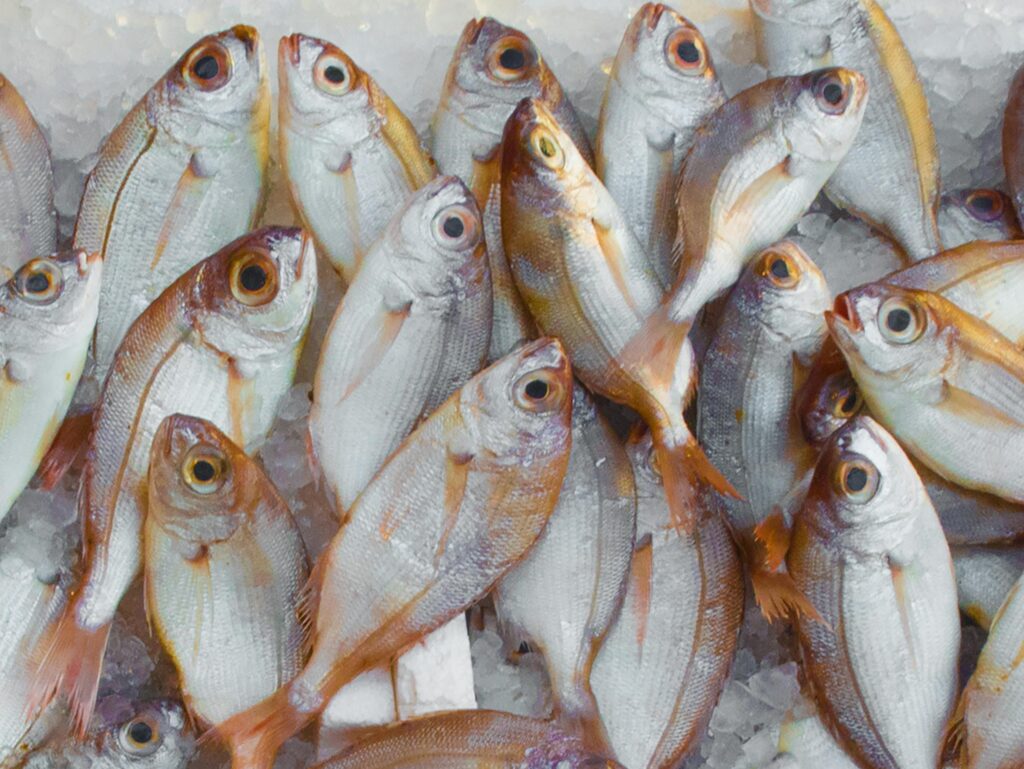
Basic setup for micro‑businesses
Public market stalls (meat and fish)
Public markets are high‑risk zones for spoilage because of heat, humidity, and long operating hours. Local government units require better cold‑chain practices than simply placing products on ice.
The ice‑to‑product rule:
- Fish: Use a 1:1 ice‑to‑fish ratio by weight.
- Meat: Never place meat directly on ice — it “burns” the muscle and drains flavor. Use stainless trays on top of ice beds.
The display standard: Install a sneeze guard (acrylic or glass). Aside from hygiene, it traps cold air around your display, making your ice last longer.
Sari‑sari stores (ice candy and frozen goods)
For small stores selling ice candy, yelo, hotdogs, and frozen snacks, freezer choice matters.
Chest freezer vs. upright freezer:
- Chest freezer: Best option. Cold air stays inside when opened.
- Upright freezer: Loses cold air every time the door opens.
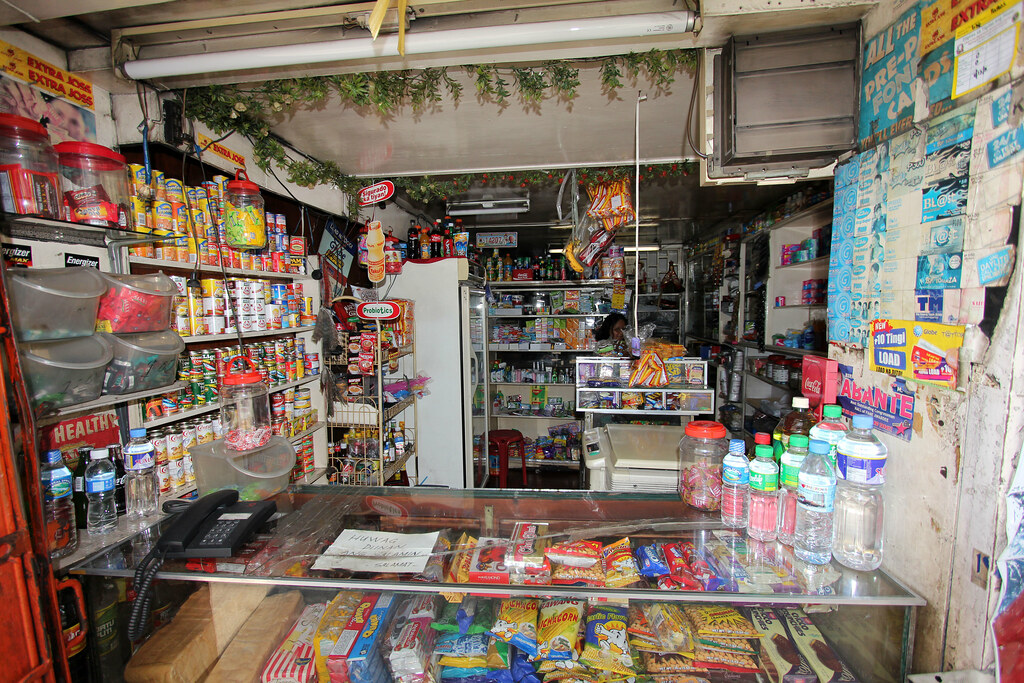
Inventory layering:
- Place ice candy and yelo at the bottom (coldest zone).
- Keep fast‑moving items (hotdogs, tocino, ham) in the top baskets for quick access.
Carinderias (ingredient prep)
Carinderias often store large batches of cooked food — but improper cooling can spoil everything inside the fridge.
The batching method: Never put a hot pot of adobo or sinigang directly into the fridge.
The fix: Use a cold‑water bath. Place the pot in a basin filled with ice water to bring it to room temperature in 15 minutes before refrigerating.
Everyday diskarte hacks
The salted ice trick
Mix coarse rock salt into crushed ice. Salt lowers the freezing point, creating a super‑cold slush that keeps fish firm for up to 5 hours longer.
The airflow space rule
Never overstuff your refrigerator. Cold air must circulate.
- Leave at least 2 inches of space between items.
- If food touches the back wall, it may freeze unevenly.
The styro‑cooler backup
Always keep two large styrofoam coolers with tight lids.
During brownouts:
- Move your most expensive proteins (shrimp, beef, imported meats) into the coolers with ice.
- Do NOT keep opening the main freezer to “check” — every opening dumps cold air.
Common challenges and how to overcome them
The Meralco shock (high electricity)
Freezers consume the most electricity in small businesses. Dirty condenser coils make the motor work 20% harder.
Solution: Clean the coils every 3 months using a brush or vacuum.
Hack: Apply reflective window film on glass‑top freezers to block morning sunlight.
The amoy‑ref problem (cross‑contamination)
Strong odors from fish or bagoong can seep into ice candy or desserts.
Solution: Store fish only in airtight containers.
Hack: Place an open box of baking soda or a small bowl of charcoal (uling) inside the fridge to absorb odors.
Frequent brownouts
Brownouts are common in many provinces, especially during summer.
Solution: Create thermal mass.
- Fill empty soda bottles with water (leave 10% space for expansion).
- Freeze them and place in empty freezer spaces.
These “ice bricks” keep your freezer cold for an extra 8–12 hours during outages.
The FIFO visual board
Small businesses lose money when older stock gets buried under newer items.
Diskarte: Use a small whiteboard on the freezer door.
- List what’s inside.
- Write the “date entered.”
Rule: First In, First Out. Monday’s chicken must be cooked before Wednesday’s chicken.
Cold storage tools and regulations by business type
| Business Type | Key Cold Tool | Critical 2026 Regulation |
|---|---|---|
| Public Market | Stainless trays + salted ice | No “fresh” labels on thawed/frozen meat |
| Sari‑sari Store | Chest freezer + ice bricks | Business permit required for frozen retailing |
| Carinderia | Chilled prep table | Daily temperature logs for meat storage |
Conclusion
Cold storage is one of the most powerful tools for Filipino micro‑businesses. When done right, it prevents spoilage, protects your margins, and keeps your customers safe. When done poorly, it leads to waste, high electricity bills, and LGU violations.
Here’s your action plan:
- Choose the right freezer for your business type.
- Use diskarte hacks like salted ice, ice bricks, and proper airflow.
- Follow LGU sanitation and temperature‑control rules.
- Keep a FIFO board to avoid hidden spoilage.
With smart cold‑chain habits, even the smallest Filipino business can operate like a professional food enterprise — fresh, efficient, and profitable.
FAQ: Cold Storage System for Filipino Micro‑Businesses
1. What is a micro‑cold chain?
A micro‑cold chain refers to small‑scale cold storage systems used by sari‑sari stores, carinderias, and market vendors to keep food safe, fresh, and compliant with LGU rules.
2. Why is cold storage important for small businesses?
Proper cold storage prevents spoilage, reduces waste, protects profit margins, and helps businesses comply with stricter LGU sanitation and temperature‑control regulations.
3. What is the correct ice‑to‑product ratio for fish?
Use a 1:1 ice‑to‑fish ratio by weight to maintain freshness throughout the day.
4. Should meat be placed directly on ice?
No. Direct contact “burns” the meat and drains flavor. Use stainless trays placed on top of ice beds.
5. Which freezer is best for sari‑sari stores?
A chest freezer is best because cold air stays inside when opened. Upright freezers lose cold air quickly.
6. How should frozen goods be arranged inside a freezer?
Place ice candy and yelo at the bottom (coldest zone) and fast‑moving items like hotdogs and tocino in the top baskets for quick access.
7. How should carinderias cool large batches of food?
Never place hot pots directly in the fridge. Use a cold‑water bath to bring food to room temperature within 15 minutes before refrigerating.
8. What is the salted ice trick?
Mixing rock salt with crushed ice lowers the freezing point, creating super‑cold slush that keeps fish firm for up to 5 hours longer.
9. How can I maintain proper airflow inside the fridge?
Leave at least 2 inches of space between items. Avoid letting food touch the back wall to prevent uneven freezing.
10. What should I do during brownouts?
Transfer expensive proteins to styro‑coolers with ice and avoid opening the main freezer. Ice bricks (frozen water bottles) help maintain cold temperatures for 8–12 hours.
11. How can I reduce electricity consumption?
Clean condenser coils every 3 months and apply reflective film on glass‑top freezers to block sunlight.
12. How do I prevent “amoy‑ref” or cross‑contamination?
Store fish in airtight containers and place baking soda or charcoal inside the fridge to absorb odors.
13. What is a FIFO board?
A small whiteboard listing freezer contents and dates. It helps enforce First In, First Out to prevent hidden spoilage.
14. What cold‑storage tools and regulations apply to different business types?
Public markets require stainless trays and salted ice; sari‑sari stores need chest freezers and permits; carinderias must keep daily temperature logs.