- Steady demand from students, gamers, freelancers, and online workers.
- Startup capital: ₱400,000–₱1,000,000 for 8–15 computers and setup.
- Multiple revenue streams: hourly rates + printing + snacks + tournaments.
- Perfect location-based business near schools and residential areas.
Introduction
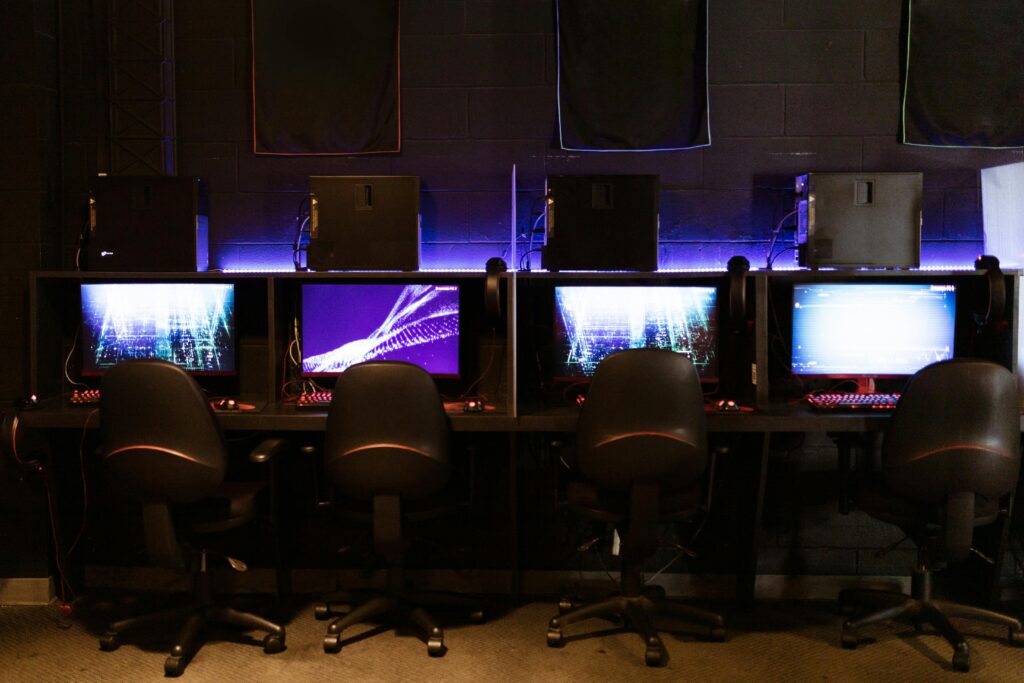
Not every Filipino household has reliable internet or powerful gaming PCs. Students need computers for research and printing. Gamers want high‑spec machines for Mobile Legends, Valorant, and DOTA 2. Freelancers and online sellers need stable connections for work. This ongoing demand keeps internet cafés and gaming hubs relevant as affordable, shared‑access spaces for education, gaming, and digital work.
For returning OFWs or local entrepreneurs, this business offers multiple income streams—hourly computer use, printing services, snacks, and gaming tournaments. Unlike food retail, computers generate income 12–16 hours daily. A well‑run gaming hub and internet café near schools can be a high‑traffic, high‑turnover business, with many comparable cafés and gaming lounges achieving break‑even within 6–9 months under good location, solid demand, and tight cost control.
Capital requirements
Starting an 8–15 station internet café costs ₱400,000 to ₱1,000,000, depending on gaming specs and shop size.
Computers and hardware
Basic internet café (research/printing):
- 10 units desktop PCs (i3/i5, 8GB RAM, SSD): ₱25,000–₱30,000 each
Gaming specs (i5/Ryzen 5, 16GB RAM, GTX 1650): ₱45,000–₱60,000 each
Core networking equipment:
- Business-grade router + switch: ₱15,000–₱25,000
- UPS backup power (3kVA): ₱25,000–₱40,000
- High-speed modem (fiber optic): ₱5,000–₱10,000
Gaming hub upgrade
- Gaming chairs/monitor stands: ₱3,000–₱5,000 per station
- RGB lighting, mousepads, peripherals: ₱2,000–₱3,000 per station
Air conditioning and furniture
- 2–3 window/standing AC units (2HP each): ₱60,000–₱100,000
- Partitions, tables, ergonomic chairs: ₱50,000–₱80,000
- Soundproofing foam/panels: ₱20,000–₱30,000
Internet subscription: PLDT Fibr/Converge business plan (200–500 Mbps): ₱5,000–₱10,000/month
Tip: Buy pre-configured gaming PCs from local assemblers—they include warranties and free setup.
Permits
Business registration
- DTI Registration – secures your café name
- Barangay Clearance – confirms location suitability
- Mayor’s Business Permit – from city/municipal hall
- BIR Registration – for taxes and official receipts
- Anti-Piracy Compliance – Microsoft Office/Windows licenses
Technical requirements
- NTC registration for internet service (if offering WiFi to public)
- Fire Safety Inspection Certificate – due to electrical load
- Electrical inspection – for safe wiring and circuit capacity
Display BSA compliance stickers and legitimate software licenses prominently.
Services to offer
Core services
- Internet browsing/computer use: ₱20–₱50/hour
- Gaming stations: ₱40–₱80/hour (high-spec PCs)
- Printing/scanning/photocopying: ₱2–₱10 per page
- Photo printing (passport, 2×2, 4R): ₱20–₱100
High-margin add-ons
- Encoder services (school requirements, résumés): ₱50–₱200
- Online application assistance (TES, DepEd, jobs): ₱100–₱300
- Gaming peripherals rental (headsets, controllers): ₱20/hour
- Tournament hosting (MLBB, Valorant): ₱200–₱500 entry fee
Example: A gaming hub in Cebu added passport photo services, earning ₱15,000 extra monthly from students applying for overseas jobs.
Location strategy
Prime locations
- Near schools/colleges – students need research, printing, projects
- Beside dormitories/boarding houses – residents without PCs/internet
- Near transport terminals – travelers need tickets, forms, browsing
- Residential subdivisions – families without home computers
Ideal shop size: 30–50 sqm (8–15 stations comfortably)
Specific target markets
- High school/college zone: Research papers, PowerPoint projects, group work
- Terminal area: Bus/train tickets, job applications, video calls
- Subdivision: Kids gaming, parents encoding, online classes
Example: A tricycle driver in Davao converted his vacant lot near the university into a 12-station café. Students alone generate ₱25,000 daily gross during exams.
Pricing strategy
Standard pricing
- Basic PC (browsing/research): ₱25–₱35/hour
- Gaming PC (high specs): ₱50–₱80/hour
- Overnight package (10pm-6am): ₱150–₱250
- Student discount (with ID): 20% off weekdays
Package deals
Offering subscription type packages provides recurring income for the business.
- 10-hour pass: ₱200–₱280 (save ₱70)
- Monthly membership: ₱1,500–₱2,000 (unlimited weekdays)
- Group package (5+ people): 15% discount
- Tournament package: ₱100/station + ₱200 registration
Printing revenue: Short bond ₱2, long ₱3, photo ₱50–₱100
Operations
PC maintenance schedule
Daily:
- Clean monitors, keyboards, mice
- Check internet speed and restart slow PCs
- Update antivirus definitions
Weekly:
- Defrag/optimize gaming PCs
- Clean dust from towers and coolers
- Test all peripherals
Monthly:
- Full system backup and OS reinstall
- Hardware diagnostics
- Router firmware updates
Security measures
- Kiosk software – locks desktop, time tracking, prevents deletions
- CCTV cameras – 4–6 cameras covering all angles
- Biometric/fingerprint login – prevents account sharing
- Cash register/POS – tracks all transactions
Bandwidth management: QoS settings prioritize gaming over browsing.
Profitability tips
Food and beverage sales (50–70% margins)
Top sellers:
- Energy drinks: Gatorade, Red Bull (₱25 cost, ₱45 retail)
- Instant noodles: Payless, Lucky Me (₱8 cost, ₱25 retail)
- Softdrinks: 8oz bottles (₱12 cost, ₱25 retail)
- Coffee sachets: 3-in-1 (₱5 cost, ₱20 retail)
Gaming hub upgrade: Pizza, fries, chickenjoy delivery partnerships
Tournament hosting
Weekly MLBB/Valorant tournaments:
- Entry fee: ₱200/team (5 players = ₱1,000/team)
- Teams: 8–16 per tournament
- Revenue: ₱8,000–₱16,000 per event
- Prizes: ₱3,000–₱5,000 (cash/store credit)
Monthly champion league builds loyal customer base.
Corporate accounts
Secure monthly contracts with:
- Review centers (50 hours/month)
- Small offices (encoding, research)
- Freelancers (dedicated stations)
Example: A sari-sari store owner in Manila added 10 PCs beside her store. Noodles and softdrinks alone generate ₱15,000 monthly profit.
Common challenges and solutions
- Internet downtime: Dual ISP (PLDT + Globe/Converge), backup 4G routers
- PC theft/damage: Internal cameras, asset tags, insurance, repair contracts
- Power interruptions: 3kVA UPS (2–3 hours backup), generator for extended outages
- Noise complaints: Soundproofing foam, headset requirements, volume limits
Conclusion
A small internet café or gaming hub transforms empty space into steady digital income for Filipino entrepreneurs and returning OFWs. Students need research stations. Gamers crave competitive setups. Freelancers seek reliable connections. Your café becomes their digital lifeline.
With strategic location, proper maintenance, and diversified services, your business creates community while generating profits. Every login, print job, and tournament entry fuels not just computers, but entire families—one gigabyte at a time.