Opening a motorcycle repair shop in the Philippines sounds like an easy win. Everywhere you look—barangays, highways, subdivisions—you see motorcycles weaving through traffic. GrabFood, Angkas, Lalamove, Shopee riders, tricycle drivers, and everyday commuters rely on their bikes daily. Unlike cars, motorcycles need more frequent maintenance and are often the primary vehicle of the household.
But here is the truth: a motor shop is profitable only if you choose the right location, offer the right services, and hire the right people. Many shops fail not because of lack of demand, but because they opened blindly—without research, without systems, and without understanding what riders actually need. This guide walks you through the essentials so you can start strong and avoid the common pitfalls that kill new motor shop businesses.
Market research: is this a good move?
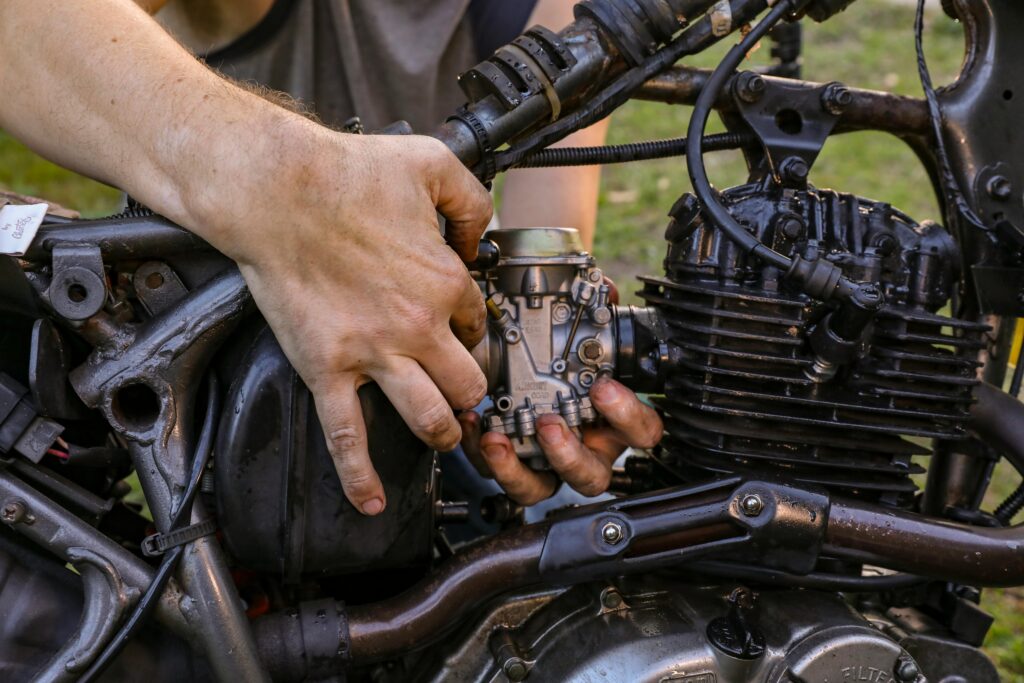
Before you buy tools or rent a space, you need to validate one thing: is there enough motorcycle traffic to sustain your shop? Market research does not have to be complicated or expensive. You can start with simple, on-the-ground observation.
The 15-minute curb count
Sit near your target location during rush hour and count how many motorcycles pass by in 15 minutes.
- 50 or more motorcycles – good location
- 100 or more motorcycles – excellent location
- Below 50 – traffic too low; consider another spot
This simple test can save you from renting a dead spot where your tools gather dust instead of customers.
Competitor audit
Visit the three nearest motor shops and observe. Are they full? Do they have a backlog of bikes waiting? Are customers willing to wait in line? If nearby shops are overflowing, that is not always a threat—it is a signal that there is more demand than supply.
Take note of their strengths and weaknesses. If they are busy but slow, you can compete on speed. If they are cheap but messy, you can compete on cleanliness and professionalism.
Finding the service gap
Most small shops only offer basic services such as change oil, spark plug replacement, and simple tune-ups. Many do not offer more advanced services like fuel injection cleaning, electrical diagnostics, CVT cleaning, or ECU troubleshooting.
If no one nearby offers these specialized services, that is your entry point. Specialized services usually mean higher margins and less competition, especially in areas with many modern scooters and FI bikes.
Most profitable services
Tires and oil keep the lights on, but certain services build your bank account. These are the jobs where skill and tools allow you to charge more for the same amount of time.
Fuel injection cleaning and tuning
Most modern bikes such as NMAX, Aerox, Click, and Beat use fuel injection. FI systems require specialized cleaning tools and knowledge, but the service itself can be done in about 20 minutes.
Riders are willing to pay a premium because FI issues affect power, fuel efficiency, and reliability. Once you build a reputation for fixing FI problems, word spreads quickly among riders.
CVT cleaning and regreasing
Scooters dominate Philippine roads, and their CVT systems collect dust, belt debris, and grease buildup over time. CVT cleaning and regreasing improves acceleration, smoothens the ride, and prevents belt snapping.
This service has high perceived value and can be priced well above basic change oil, even though it uses relatively affordable materials.
Engine overhaul
Engine overhauls are where your master mechanic’s skill converts directly into big income. They require time, precision, and trust, but one overhaul can equal the profit of several basic services combined.
Customers who trust you with an overhaul are likely to return for all their future maintenance needs.
Electrical rewiring
Many backyard shops avoid wiring issues because they are time-consuming and risky. If your shop can confidently handle grounded lights, starter issues, ECU problems, and faulty harnesses, you can charge professional rates with very little competition.
Electrical expertise sets your shop apart and builds a reputation for solving the problems others cannot.
How to attract customers
In the motorcycle repair industry, trust is currency. Riders will travel farther and pay more if they trust your shop. Your goal is to remove doubt and make customers feel safe leaving their bikes with you.
The transparent mechanic strategy
Take photos or videos of old parts you replaced, dirty filters, worn brake pads, or damaged wiring. Send them to the customer via Messenger or show them in person when they pick up the bike.
This simple habit eliminates suspicion and builds loyalty. Customers see exactly what they paid for and are more likely to recommend you to friends.
Free safety check
Offer a free 10-point check-up with every change oil. This can include tire pressure, brake pads, lights, chain tension, battery health, and other basic safety points.
Many riders do not notice small issues until they become big problems. A free safety check often leads to discovering real issues that need fixing, which you can address ethically and transparently.
Loyalty cards
In a neighborhood setting, loyalty cards keep customers from switching to the shop two blocks away. Examples include “6th change oil is free” or “3 CVT cleanings = free belt inspection.”
These small rewards encourage repeat visits and make customers feel valued.
Clear pavement signage
A clean, visible sign listing prices for change oil, tune-up, FI cleaning, and CVT cleaning removes price shock and encourages shy customers to walk in. Many riders are hesitant to ask for prices, so clear signage makes your shop more approachable.
Finding and keeping good employees
Your mechanic is your biggest asset and your biggest risk. A skilled, honest mekaniko can build your reputation; a careless or dishonest one can destroy it.
The test drive interview
Do not rely on resumes alone. Give applicants a junk engine and ask them to find the timing, clean a carb, or diagnose a simple issue. Watch how they handle tools and how organized they are while working.
Neatness and discipline often reflect the quality of their work. A mechanic who respects tools usually respects customers’ bikes.
The commission model
Consider paying a base daily wage plus a 10 to 20 percent labor commission. This motivates mechanics to work faster and handle more bikes without sacrificing quality.
When they earn more by doing more, your shop’s capacity and income grow naturally.
Character over skill
You can train someone to fix FI systems or learn new tools. You cannot easily train someone to stop doing sideline work, stealing parts, or lying to customers.
Hire for honesty first. Skills can be taught; integrity cannot.
Common challenges and mistakes
Parts inventory
Buying too much stock leads to dead inventory that ties up your capital. Start with fast-moving items such as spark plugs, belts, brake pads, oil filters, and common tire sizes.
Track what sells before expanding your inventory. Let demand guide your purchasing decisions.
Noise complaints
Revving engines and loud testing can annoy neighbors and lead to complaints. Set a test area away from residential windows and use signage reminding customers and staff to avoid unnecessary revving.
Oil disposal
Used engine oil is hazardous and cannot be thrown into drains or soil. Partner with collectors who handle used oil properly; some even pay a small amount per liter.
Allowing utang
Allowing “bukas na lang” kills your cash flow. Be firm with a no-credit policy. Offer digital payment options like GCash to make it easier for customers to pay on the spot.
Poor tool organization
Losing a 10mm socket every day wastes hours over a month. Use pegboards, labeled trays, and daily tool checks to keep everything in place.
No documentation
If a customer returns complaining, you need proof of what was done. Use a logbook or simple spreadsheet to record services, parts replaced, and the mechanic assigned.
Documentation protects your shop and helps you track patterns and repeat issues.
Additional services to boost profit
Wash and wax
If the bike is already on the stand for a tune-up, offer a premium wash and wax for an extra fee. This service is mostly labor and water, making it highly profitable.
Helmet and gear cleaning
Use foam cleaners to sanitize helmets and basic riding gear while customers wait. This small add-on improves customer experience and adds extra income.
Social media marketing
Document before-and-after engine cleaning, dirty CVT cases, FI cleaning results, and customer testimonials. Post them on TikTok or Facebook Reels.
Short, authentic videos are some of the best free advertising tools in the Philippines today and can quickly build your shop’s reputation.
Conclusion: build smart, not just fast
The motorcycle repair industry is booming, but success is not automatic. You need a high-traffic location, a clear service gap you can fill, skilled and honest mechanics, transparent customer service, smart inventory management, and high-margin add-on services.
Do your curb count. Study your competitors. Build trust with every job. If you follow these steps, your shop will not just survive—it can become the go-to tambayan of riders in your area.