Franchising remains one of the most popular business paths for Filipinos who want a proven model, recognizable brand, and structured support system. Whether you’re an OFW planning to invest your savings back home or a first-time entrepreneur exploring safer business models, a franchise business offers a way to start strong without building everything from scratch.
But like any business, it requires careful planning, realistic expectations, and a clear understanding of the costs and responsibilities involved.
This guide walks you through everything you need to know—from how franchising works, to the real costs, to step-by-step instructions, and even real-life examples of mistakes to avoid.
What is a franchise and how does it work?
A franchise is a business model where you (the franchisee) buy the rights to operate a business using the brand, systems, and products of an established company (the franchisor).
This setup allows you to benefit from a proven formula rather than starting from zero. In exchange, you pay fees and follow the franchisor’s rules to maintain brand consistency.
A well‑known example of franchising in the Philippines is Jollibee, where independent entrepreneurs operate stores using the company’s brand, menu, and operating systems.
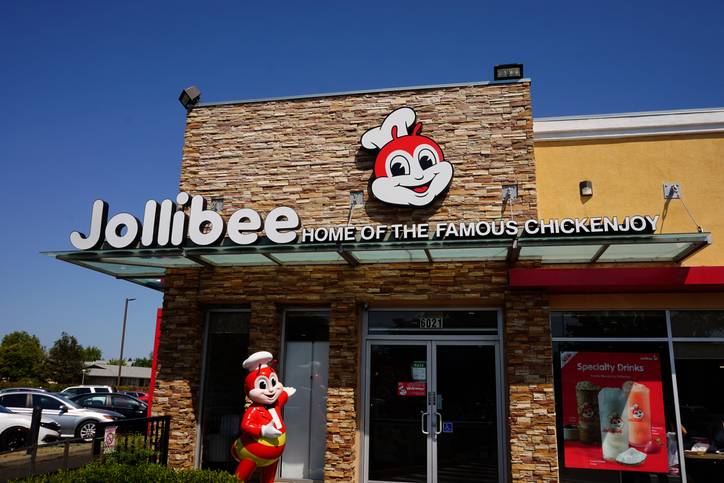
The franchisee pays for the right to run a Jollibee outlet and must follow the company’s standards for food quality, store design, and customer service. In return, they benefit from Jollibee’s established brand reputation, nationwide marketing, and proven business model—allowing them to start with a tested formula rather than building a restaurant from scratch.
According to Jollibee’s official franchising information, franchisees undergo training and receive ongoing operational support, while the company maintains strict quality control to protect the brand’s consistency across all branches.
Many Filipinos choose franchising because it reduces the trial-and-error phase that often causes new businesses to fail. You’re essentially buying a shortcut to a working business model—though success still depends heavily on execution, location, and management.
The concept of a franchise business is attractive because it allows individuals to leverage established brands and proven systems.
Why franchising is popular in the Philippines?
- Brand recognition reduces risk. Customers already know the product, so you skip the hardest part of building trust. This is especially helpful in competitive markets like food and retail.
- Training and support are provided. Most franchisors offer training on operations, marketing, and inventory management, which is ideal for beginners.
- Easier access to suppliers. You don’t need to negotiate with vendors because the franchisor already has established supply chains.
- Lower failure rate than starting from scratch. A proven system means fewer unknowns, making it attractive for OFWs and first-time entrepreneurs.
How much capital do you need?
Franchise costs vary widely depending on the brand, location, and business type. Many Filipinos underestimate the total investment because they only look at the franchise fee.
According to a 2025 guide on low-cost franchises, advertised fees like ₱50,000 often exclude equipment, renovation, permits, and working capital, which can significantly increase the real cost.
Typical cost breakdown
Franchise fee
This is the upfront payment for the right to use the brand. It can range from ₱20,000 for micro food carts to ₱1 million+ for major chains.
Construction or renovation
Even small kiosks require setup, signage, and branding. Costs vary depending on mall requirements or local government standards.
Equipment and initial inventory
These include cooking tools, POS systems, freezers, or product stock. Some franchisors require you to buy only from their accredited suppliers.
Security deposit (for malls)
Malls often require 2–3 months’ worth of rent as a deposit.
Working capital
This covers staff salaries, utilities, and replenishment of inventory for the first 3–6 months.
| Franchise Type | Brand Example | Approx. Franchise Fee |
| Micro/Online | Siomai King (Online) | ₱17,888 |
| Micro-Food Cart | Burger Matsing | ₱49,000+ |
| Mid-Tier Kiosk | Potato Corner | ₱100,000 – ₱150,000 |
| Service/Retail | 7-Eleven | ₱627,000 |
| Full Restaurant | Tapa King | ₱1.2 Million |
Sample investment ranges
- ₱50,000–₱200,000: Food carts, kiosks, small service booths
- ₱300,000–₱1,000,000: Mid-sized food brands, laundry kiosks, water refilling stations
- ₱1,000,000+: Big food chains, convenience stores, gasoline stations, and established fast-food brands.
Step-by-step guide:How to start a franchise in the Philippines
Assess your budget and goals
Before choosing a franchise, determine how much you can realistically invest. Consider whether you want a hands-on business or something semi-passive.
Your budget and lifestyle will heavily influence which franchise is right for you.
Research franchise options
Look for brands with strong track records, transparent pricing, and positive franchisee feedback. Avoid franchises that promise unrealistic ROI or lack clear documentation.
Reddit discussions often emphasize that franchising is “more of a real estate problem than a business problem,” meaning location matters more than the brand itself.
Attend franchise orientations
Most franchisors offer free orientations where they explain the business model, costs, and expectations. Use this opportunity to ask questions about ROI, support, and daily operations. If a franchisor avoids answering financial questions, consider it a red flag.
Evaluate the franchise package
Review what’s included in the franchise fee—training, equipment, marketing support, and initial supplies. Compare packages from multiple brands to see which offers the best value.
Some low-cost franchises appear cheap upfront but require expensive monthly purchases from the franchisor.
Prepare requirements
Common requirements include valid IDs, proof of funds, and a proposed location.
Some franchisors require a site inspection before approval.
If you plan to operate the business yourself, they may also require you to attend training sessions.
Secure financing (if needed)
If your capital is not enough, explore financing options like bank loans or government programs. OFWs may qualify for reintegration loans designed to support small businesses.
Just ensure loan payments won’t strain your cash flow during the first few months.
Sign the franchise agreement
This legally binding contract outlines your rights, obligations, and limitations. Review clauses on territory, renewal, termination, and fees. Consider consulting a lawyer to avoid misunderstandings later.
Training and store setup
Franchisors typically provide training on operations, customer service, and inventory management. Store setup includes branding, equipment installation, and compliance with franchisor standards.
This phase ensures your branch matches the brand’s quality and identity.
Grand opening and operations
Most franchisors assist with marketing during your launch. After opening, focus on consistent service, inventory control, and staff management. Your success depends on daily execution—not just the brand name.
How to choose the right franchise
Match with your budget
Choose a franchise that fits your capital without draining your savings. Avoid stretching your finances too thin, especially if you’re relying on loans. A sustainable budget gives you breathing room during slow months.
Match with your lifestyle
Some franchises require daily supervision, while others allow semi-passive management. If you’re an OFW, choose a business your family can manage reliably. Misalignment between lifestyle and business demands often leads to burnout.
Consider location
High foot traffic areas like malls, terminals, and schools increase your chances of success. A Reddit user noted that even strong brands struggle in poor locations, reinforcing the importance of site selection. Always conduct foot traffic studies before committing.
Check brand reputation
Look for brands with positive franchisee reviews and transparent communication.
Avoid companies with unresolved complaints or inconsistent support. A reputable brand increases your chances of long-term success.
Talk to existing franchisees
They can provide honest insights about daily operations, challenges, and profitability.
Ask about hidden costs, support quality, and actual ROI timelines.
Their experiences can help you avoid costly mistakes.
Common franchising mistakes to avoid
Before diving in, it’s important to understand the most common mistakes new franchisees make—pitfalls that can easily be avoided with the right awareness and preparation.
Choosing a franchise based on hype
Many beginners choose trendy brands without checking long-term viability. For example, a Reddit discussion highlighted how some aspiring franchisees jump into popular food carts without considering foot traffic or competition, leading to poor sales. Always evaluate fundamentals, not just popularity.
Underestimating total costs
Some Filipinos assume the franchise fee is the full investment. A 2025 guide warns that low advertised fees often hide additional expenses like equipment and working capital, which can double or triple the actual cost. This mistake leads to cash shortages during the first months of operation.
Expecting automatic success
Franchising reduces risk but does not guarantee profit. A story from SM Megamall contrasts a successful Siomai King cart owner with another aspiring franchisee who never started due to unrealistic expectations about capital and ROI.
| Metric | Typical Expectations | Realistic 2026 Reality |
| Total Investment | ₱150,000 (Fee only) | ₱450,000+ (Including Mall Deposit/Permits) |
| ROI Timeline | 6 Months | 12 to 18 Months |
| Daily Sales | ₱5,000 (Target) | ₱1,500 – ₱3,500 (Averaged) |
| Owner Involvement | Passive / Hands-off | High (Auditing and Staffing) |
Success still requires effort, discipline, and good management.
Ignoring location quality
Even strong brands fail in weak locations. Reddit users repeatedly emphasize that franchising is “a real estate problem,” meaning location determines most of your success.
Never skip site evaluation or rely solely on the franchisor’s recommendation.
Not reading the franchise agreement carefully
Some franchisees sign contracts without understanding renewal terms, territory restrictions, or penalties. This leads to disputes when expectations don’t match the contract.
Always review the agreement with a lawyer if possible.
Poor cash flow management
Many franchisees fail because they don’t allocate enough working capital. A financial analysis article notes that even good franchises fail when the numbers don’t add up or when owners overspend early.
Keep a buffer for slow months and unexpected expenses.
Ideal characteristics of successful franchise holders
Not everyone who buys a franchise becomes successful. While the business model provides structure and support, the franchisee’s mindset, habits, and leadership style ultimately determine whether the branch thrives or struggles. The following characteristics consistently show up among successful franchise operators in the Philippines.
1. Discipline in following systems and standards
Franchising works because the brand has a proven formula—recipes, processes, customer service protocols, and marketing guidelines. Successful franchisees respect these systems and avoid unnecessary improvisation. Those who try to “do it their own way” often dilute the brand and create inconsistencies that hurt sales.
2. Strong people management skills
Franchise businesses rely heavily on staff performance, especially in food, retail, and service industries. Effective franchisees know how to train, motivate, and retain employees, creating a stable and customer‑friendly team. Poor staff management often leads to high turnover, inconsistent service, and operational chaos.
3. Financial discipline and cash flow awareness
Even profitable franchises can fail if the owner mishandles cash flow. Successful franchisees track expenses, monitor inventory, and maintain enough working capital to survive slow months. They avoid overspending during the first few months and reinvest profits strategically.
4. Willingness to be hands-on (especially at the start)
Franchises are not plug‑and‑play businesses. The most successful owners spend time on the ground during the first 3–6 months to understand operations, customer behavior, and staff performance. Even if they eventually delegate, they know the business well enough to make informed decisions.
5. Patience and realistic expectations
Franchising is not a get‑rich‑quick model. It takes time to build regular customers, stabilize operations, and reach ROI. Franchisees who expect instant profit often become frustrated and make rushed decisions, while patient owners focus on long-term growth.
6. Good communication and relationship-building skills
Franchisees regularly interact with franchisors, suppliers, mall administrators, and customers. Those who communicate well build smoother operations and resolve issues faster. Strong relationships also help when negotiating for better locations or requesting additional support.
7. Ability to choose and evaluate good locations
Many Filipino franchisees say that location is 70–80% of success. Strong franchise holders know how to assess foot traffic, competition, accessibility, and customer demographics. They don’t rely solely on the franchisor’s recommendation—they validate the site themselves.
8. Resilience and problem-solving mindset
Even with a proven system, challenges will arise: staff issues, supply delays, slow months, or unexpected competition. Successful franchisees stay calm, adapt quickly, and look for solutions instead of blaming the brand or the market.
9. Customer-centric attitude
Franchises thrive on repeat customers. Owners who prioritize service quality, cleanliness, and customer satisfaction build loyalty and positive word-of-mouth. Those who treat the business as purely transactional often struggle to maintain consistent sales.
10. Openness to training and continuous learning
Franchisors provide training, but the best franchisees go beyond the basics. They study industry trends, observe competitors, and continuously improve their operations. This mindset helps them stay competitive even in saturated markets.
You don’t need to check every single box to become a successful franchise holder. What matters is being aware of these ideal traits and actively working toward them as you grow into the role. Many Filipino franchisees start with only a few of these characteristics, but through experience, training, and consistent effort, they develop the discipline, leadership, and business mindset needed to thrive.
Best low-capital franchise types
These categories are ideal for beginners with limited capital:
Food carts
- Affordable and easy to operate, making them ideal for high-traffic areas.
- They require minimal staff and offer quick ROI if placed strategically.
Water refilling stations
- High demand in residential areas and relatively stable income.
- Requires technical maintenance but offers consistent repeat customers.
Laundry kiosks
- Popular in urban areas with high population density.
- Offers semi-passive income once operations are streamlined.
Service-based franchises
- Examples include payment centers, shipping kiosks, and printing shops.
- These require less inventory and often have lower overhead costs.
Is franchising right for you?
Franchising is ideal if you want a structured business with proven systems and brand recognition. However, it still requires hands-on management, financial discipline, and strong customer service. If you prefer full creative control or want to build your own brand, starting from scratch may be better.
Conclusion
Starting a franchise in the Philippines can be a rewarding path—especially for beginners, OFWs, and aspiring entrepreneurs who want a safer entry into business. With the right research, realistic budgeting, and strong execution, franchising can offer stability and long-term growth.