- Over 60% of food sales for small eateries now come from take‑out and delivery — packaging is no longer optional, it’s part of your product.
- Customers judge your food based on how it arrives, not how it left your kitchen.
- Poor packaging leads to soggy meals, leaks, cold rice, and lost repeat customers.
- Upgrading your packaging is cheaper than losing a suki who just had a ruined ₱500 order.
In the Philippine food market, take‑out is the new dine‑in. Office workers, riders, students, and families rely heavily on delivery apps and grab‑and‑go meals. For many carinderias and home‑based food sellers, take‑out now represents more than half of daily revenue.
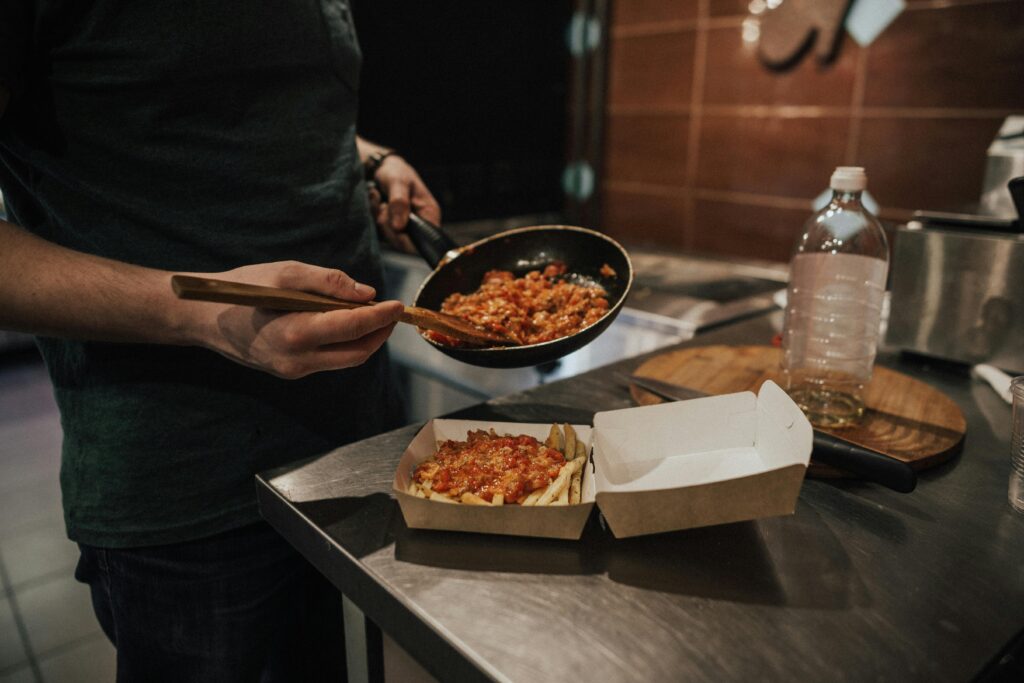
But here’s the catch: the moment your food leaves your counter, your packaging becomes your brand ambassador. If the meal arrives soggy, spilled, or cold, the customer won’t blame the rider — they’ll blame you. And in a world where one bad review can kill your momentum, packaging mistakes are expensive.
Here are the five most common take‑out packaging mistakes that silently cost Filipino food businesses their customers — and how to fix them.
The soggy texture trap
Nothing disappoints a customer faster than ordering crispy liempo or fried chicken and receiving a soggy, rubbery mess. This happens when hot, crispy food is placed in airtight plastic containers or tightly wrapped foil.
The science: steam rises from hot food. When trapped, it condenses into moisture, destroying crispiness in minutes.
The fix:
- Use vented or perforated boxes for fried items
- Switch to paper‑based or corrugated cardboard packaging
- Avoid sealing crispy food too tightly
Real‑life example: A small fried chicken stall in Cavite increased repeat orders by 22% after switching from plastic clamshells to vented kraft boxes.
The sauce disaster
Soupy dishes like sinigang, kare‑kare, bulalo, and lomi are Filipino comfort food — but they’re also packaging nightmares. Thin labo bags and cheap lids leak easily, ruining everything else in the bag.
The risk:
- Lost soup = lost value
- Rice becomes soggy and inedible
- Customers associate the mess with poor quality
The fix:
- Use screw‑cap or snap‑on PE containers
- Use heat‑sealed pouches for maximum durability
- If using bags, double‑bagging is the bare minimum
Tip: Heat‑sealed pouches cost more upfront but reduce complaints and refunds dramatically.
The cold rice crisis
Filipinos have a high “heat expectation” for rice. Even if the ulam is delicious, cold rice makes the entire meal feel old or low‑quality.
The mistake: packaging hot viands and cold rice separately in containers that lose heat quickly.
The fix:
- Use stacked thermal packaging
- Place hot viand directly above or below the rice to create a heat‑chimney effect
- Use foil‑lined paper bags for an extra 10–15 minutes of heat retention
Real‑life example: A carinderia in Pasig reduced rice complaints by 40% after switching to foil‑lined bags.
The eco‑guilt factor
In the Philippines, the Extended Producer Responsibility (EPR) Law and a growing web of local plastic and zero‑waste ordinances are coinciding with a noticeable shift in consumer attitudes — many Filipino customers now actively prefer less plastic and view excessive packaging as wasteful, not premium.
The mistake: triple plastic layers, unnecessary tape, and plastic cutlery customers didn’t ask for.
The 2026 fix:
- Switch to sugarcane bagasse or cassava‑based containers
- Use paper tape instead of plastic tape
- Implement an “opt‑in” system for utensils
Tip: Many customers now prefer “no utensils” by default — it saves you money and reduces waste.
The anonymous package
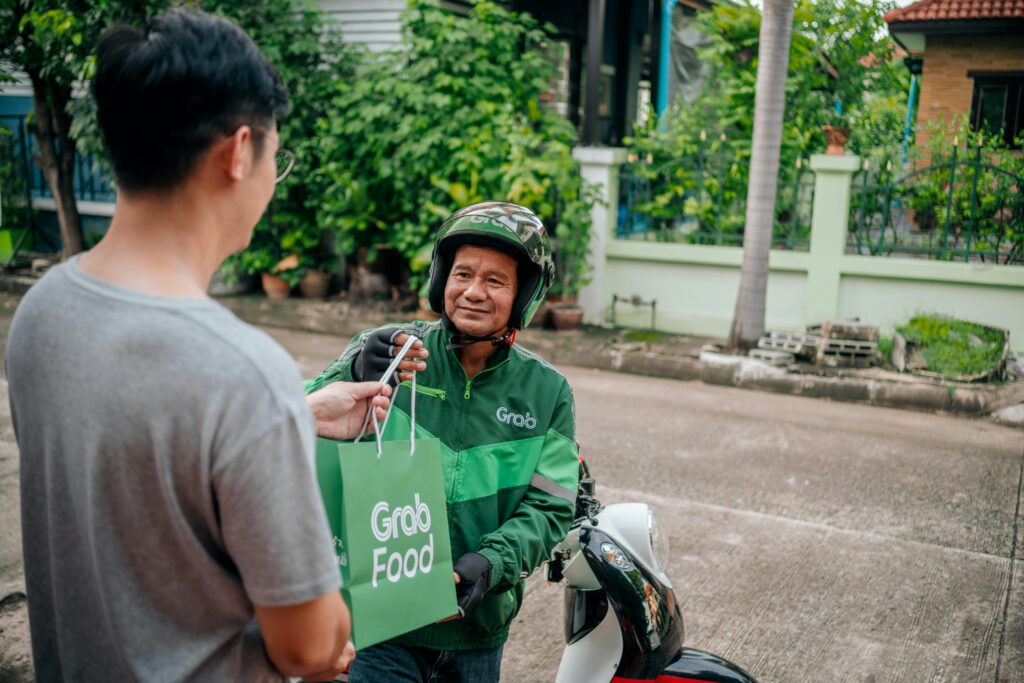
Even if your food is amazing, customers may forget your name — especially when ordering through delivery apps with dozens of similar listings.
The mistake: using plain, generic containers with no branding or contact info.
The risk: you lose repeat customers simply because they can’t find you again.
The 2026 fix:
- Use branded stickers or stamps
- Add a QR code linking to your Facebook menu or GCash payment
- Include a small “Thank You” note to build emotional connection
Branding doesn’t need to be expensive — even a ₱1 sticker can turn a plain box into a memorable experience.
Summary comparison table
| Packaging Type | Best For | Worst For |
|---|---|---|
| Paper / Cardboard | Fried or crispy items (airflow) | Soups and saucy dishes (leaks) |
| Microwavable Plastic | Reheating, saucy viands | Crispy items (soggy factor) |
| Sugarcane Bagasse | Eco‑friendly branding | Long‑distance liquid delivery |
| Foil Wraps | Heat retention for rice or grilled items | Crispy textures |
Conclusion and action plan
Good packaging is not an expense — it’s an investment in customer loyalty. A single leak, soggy meal, or cold rice incident can cost you a suki who orders every week. In a competitive food market, your packaging must protect your food, your brand, and your reputation.
Here’s your action plan:
- Perform a “stress test” today: pack your best‑selling meal, leave it for 20 minutes, then shake it around.
- If you wouldn’t want to eat it afterward, your packaging needs an upgrade.
- Start with small changes: vented boxes, better soup containers, foil‑lined bags.
- Add branding — even a simple sticker makes a difference.
In 2026, the food that survives the delivery ride is the food that wins. Protect your product, and your customers will keep coming back.