Operating in an archipelago of more than 7,000 islands makes the Philippine supply chain one of the most complex in the world. For Filipino businesses, the challenge is not simply transporting goods from point A to point B.
It is about navigating unpredictable weather, fragmented infrastructure, and a deeply rooted middleman culture that drains profit margins long before products reach customers.
Whether you are a manufacturer in Cebu, a farmer in Benguet, an online seller in Manila, or an OFW planning to start a distribution business back home, understanding these supply chain realities is essential. This guide breaks down the biggest logistical hurdles and offers practical, tech-enabled solutions that Filipino businesses can adopt for years to come.
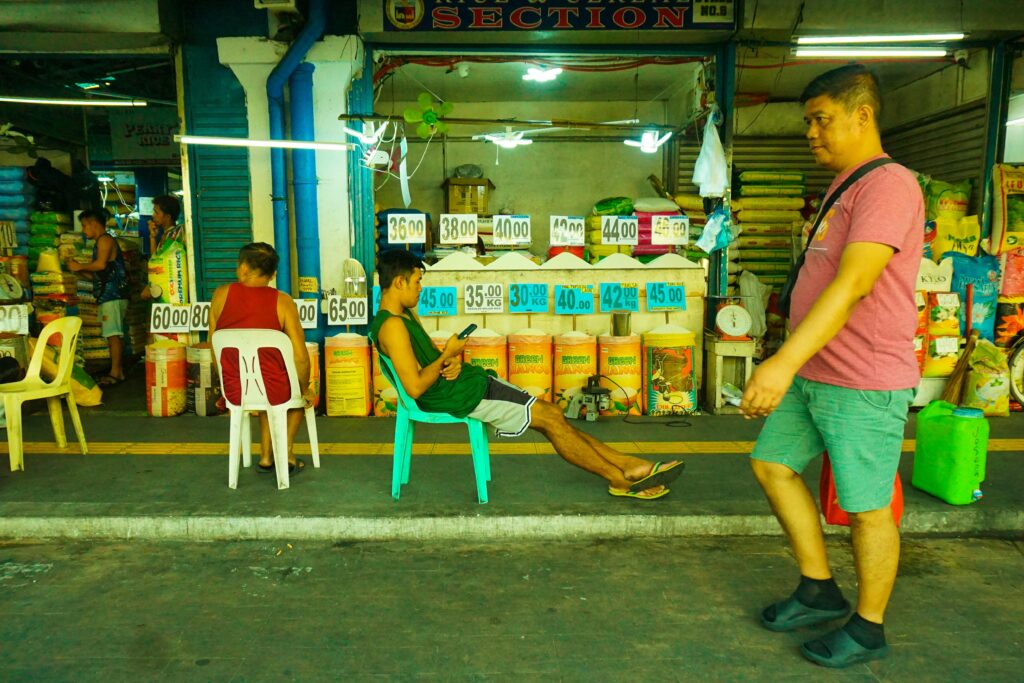
1. Geography and the island-hopping tax
The problem: the tyranny of distance
Because the Philippines is an archipelago, logistics almost always involves multiple touches: truck to port, port to RoRo, RoRo to port, and port to truck. Each touch increases handling cost, risk of damage, risk of pilferage, and total delivery time. This creates an island-hopping tax that makes domestic shipping surprisingly expensive.
Relatable example
A Cebu furniture maker spends three times more shipping a dining set to Davao than a Chinese competitor spends shipping to Manila. Despite being geographically closer, the Filipino seller loses on logistics cost alone.
Root cause
The country’s geography makes a purely land-based national logistics network impossible.
The solution: hub-and-spoke distribution
Instead of shipping per order from one central warehouse, businesses can use a main hub (such as Manila or Cebu), move bulk inventory to regional spoke warehouses in Iloilo, Cagayan de Oro, Davao, or General Santos, and fulfill orders from the nearest spoke. This reduces per-unit shipping cost and delivery time.
Who helps
- 2GO Group – inter-island freight and warehousing
- FAST Logistics – national distribution and fulfillment
- Transportify – provincial trucking and last-mile delivery
2. The typhoon premium and climate vulnerability
The problem: weather disruptions
The Philippines is hit by around 20 typhoons annually. A single storm can shut down ports, block major roads, delay shipments for days, cause spoilage for perishables, and trigger stockouts for retailers.
Relatable example
A Benguet strawberry farmer loses 40 percent of harvest because a landslide blocks Kennon Road for two days. Without cold storage, the produce spoils before reaching Baguio or Manila.
Root cause
Limited cold chain infrastructure, weather-sensitive roads and ports, and lack of climate-resilient storage facilities.
The solution: agile inventory pre-positioning
Businesses can use weather data to predict high-risk months, forward-stock goods in regional warehouses before typhoon season, and invest in or rent cold chain storage to extend shelf life.
Who helps
- InsightSCS – supply chain visibility and forecasting for farmers
- Cold Chain Association of the Philippines (CCAP) – network of cold storage providers
3. Fragmented middleman layers
The problem: too many intermediaries
Traditional Philippine supply chains often involve multiple layers: farmer, consolidator, biyahero, wholesaler, sub-wholesaler, and retailer. Each layer adds a markup, usually 10 to 20 percent.
Relatable example
A fisherman in Palawan sells galunggong for 50 pesos per kilo. By the time it reaches Manila, it costs 250 pesos per kilo due to multiple middlemen. The fisherman earns the least; the consumer pays the most.
Root cause
Weak direct-to-consumer infrastructure, reliance on wet markets and informal trading, and lack of digital tools for producers.
The solution: digital disintermediation
Digital B2B platforms can connect producers directly to retailers, reduce unnecessary layers, improve pricing transparency, and lower spoilage through better coordination.
Who helps
- GrowSari – connects sari-sari stores directly to FMCG brands
- Anihan Technologies – helps farmers sell directly and reduce post-harvest waste
4. Port congestion and red tape
The problem: slow, expensive port operations
Manila International Container Port (MICP) often suffers from congestion, long truck queues, slow customs clearance, high demurrage fees, and truck bans that limit delivery hours.
Relatable example
An e-commerce seller’s Christmas inventory arrives in November but is only cleared in January due to port congestion. The entire holiday sales window is missed.
Root cause
Paper-heavy customs processes, over-reliance on Manila ports, and limited use of Batangas and Subic.
The solution: digitization and port diversification
Businesses can shift shipments to Batangas or Subic, use digital freight forwarders for faster documentation, and plan imports earlier to avoid peak congestion.
Who helps
- DTI Supply Chain and Logistics Center – policy and support
- Shiptek Solutions (XLOG) – digital freight management
5. The last-mile logistical nightmare
The problem: the most expensive part of delivery
Last-mile delivery in the Philippines is plagued by inconsistent house numbering, narrow streets, high fuel costs, traffic congestion, and gated subdivisions with strict access rules.
Relatable example
A Shopee or Lazada rider spends 20 minutes looking for a house described only as “behind the yellow gate near the baka.” Fuel is wasted, time is lost, and fewer deliveries are completed.
Root cause
Lack of standardized digital mapping, poor urban planning, and fragmented address systems.
The solution: cloud logistics and AI route optimization
AI-powered logistics tools can group deliveries by neighborhood, optimize routes to reduce fuel consumption, use pinned locations instead of vague written addresses, and improve delivery density and efficiency.
Who helps
- GrabExpress and GrabMart
- Lalamove
- Ninja Van
Summary table: supply chain solutions at a glance
| Industry | Primary Pain Point | Suggested Tech/Partner |
|---|---|---|
| Agriculture | Spoilage and middlemen | Anihan Technologies, cold chain storage |
| Retail / E-commerce | High shipping costs | GrowSari, Ninja Van |
| Manufacturing | Raw material delays | XLOG, DTI logistics center |
| Food and beverage | Inventory stockouts | FAST Logistics (AI-driven forecasting) |
Strategic improvement steps for 2026
Stop relying on Manila
Treat Cebu and Davao as independent hubs with their own stock. This reduces inter-island shipping and shortens lead times.
Go paperless
Switch to digital waybills, electronic proof of delivery (ePOD), and cloud-based documentation. Paper gets lost in the rain; data does not.
Audit your landed cost
Total landed cost includes purchase price, freight, handling, storage, spoilage, and informal fees. Understanding this helps you identify where money is leaking.
Conclusion
The Philippine supply chain will never be as simple as a single highway from north to south. But complexity does not have to mean defeat. By adopting smarter strategies—hub-and-spoke distribution, digital disintermediation, cold chain partnerships, port diversification, and AI-powered last-mile logistics—Filipino businesses can transform logistical challenges into operational strengths.
If you can move your product reliably across 7,600 islands, you are not just surviving the archipelagic hurdle—you are building a competitive advantage that few global competitors can match.