Running a business in the Philippines is the ultimate test of diskarte. Whether you’re managing a neighborhood sari-sari store or a budding tech startup, being an entrepreneur here requires a mix of hard work, holding on tight, and a whole lot of patience.
Small businesses, or MSMEs, are the backbone of our economy. They make up 99.6% of all registered businesses and employ over 65% of the national workforce.
Yet, despite being the giants of employment, many owners feel like they are constantly swimming against the current. This article breaks down the biggest hurdles Filipino entrepreneurs face today, including various Filipino business problems, why they happen, and how you can overcome them.
One of the most significant Filipino business problems is the constant struggle with resources and support.
It’s no secret that the “new normal” brought a new set of headaches. Recent studies show that economic factors, specifically inflation and skyrocketing operating costs, are the primary killers of MSME momentum. Many owners suffer from “silent struggles”—the overwhelming weight of government paperwork and a lack of structural support that makes it hard to scale up.
Top problems faced by Filipino small businesses
These Filipino business problems are often overlooked but are critical to the survival of small enterprises.
Rising costs and thin profit margins
The price of everything from sibuyas to electricity is climbing, making it harder to keep prices low for suki customers.
These rising costs are part of broader Filipino business problems that need to be addressed by owners.
In the current economic climate, small business owners are facing a perfect storm of inflation and supply chain disruptions. These factors significantly drive up the cost of fuel and raw materials, while overhead expenses like rent and labor continue to climb. For instance, a local bakery might see the price of flour and sugar double within a single year, forcing the owner into a difficult corner: either raise prices for loyal customers or risk the business’s financial viability.
Adapting to these fluctuations requires both agility and a commitment to data. Consider the experience of a small carinderia owner who must adjust the price of their “pork sinigang” on a weekly basis because the market price of meat and vegetables is so volatile. Without a clear view of their expenses, these tiny shifts in the market can quickly erase a day’s profit.
To navigate this uncertainty, the most practical solution is to implement rigorous tracking. You don’t need expensive software to protect your margins; simple tools like Google Sheets or a basic POS app are enough to monitor every centavo. By recording every expense in real time, you can make informed decisions about pricing and ensure your business remains sustainable despite the shifting economy.
Suggested image: A close-up of a handwritten ledger next to a calculator and some Philippine Peso bills. Caption: Precision in tracking expenses is the first step to protecting your margins.
Limited access to capital
Many Pinoy entrepreneurs find it easier to borrow from “5-6” lenders than to walk into a bank because of the intimidating requirements.
This lack of capital is one of the most pressing Filipino business problems many face.
Traditional banking systems often create a significant barrier for informal businesses by requiring heavy collateral and extensive financial histories. This “paperwork wall” leaves many entrepreneurs stranded. For instance, a talented shoemaker in Marikina may be unable to upgrade to modern sewing machines simply because they lack a titled property to offer as security.
Fortunately, there are government-backed alternatives designed specifically to bridge this gap. A highly practical solution is to look into the Small Business Corporation (SB Corp) under the Department of Trade and Industry (DTI). Unlike traditional banks, SB Corp offers low-interest loans tailored for Micro, Small, and Medium Enterprises (MSMEs), often with more flexible requirements.
By leveraging these institutional supports rather than predatory lenders, small business owners can secure the capital they need for equipment or inventory without risking their long-term financial health.

Weak digital adoption
Many small businesses struggle with Filipino business problems related to technology.
According to the Bangko Sentral ng Pilipinas, digital retail payments in the Philippines surged to 57.4% of total transaction volume in 2024, yet a significant trust gap remains among micro-entrepreneurs.
A 2025 regional survey revealed that while roughly 74% of Filipino MSMEs now accept some form of digital payment (like GCash or Maya), only 13% seek professional IT or cybersecurity advice.
For instance, an older shop owner might avoid using GCash simply because they aren’t sure how to distinguish a legitimate payment confirmation from a sophisticated fake text.
The most effective way to overcome this hurdle is to start small and build digital confidence incrementally by setting up a Facebook Business page and accepting mobile wallets.
Competition from big players and online sellers
It’s tough to compete when a giant mall opens next door or when Shopee sellers can offer prices lower than your wholesale cost.
Large corporations and global online platforms hold a massive advantage through economies of scale.
To survive, small businesses must shift from competing on price to competing on connection. Knowing customers personally and offering hyperlocal service can create loyalty that large platforms cannot replicate.
Regulatory and compliance burdens
The registration process in the Philippines is often described as a “paperwork maze” because it involves multiple government agencies.
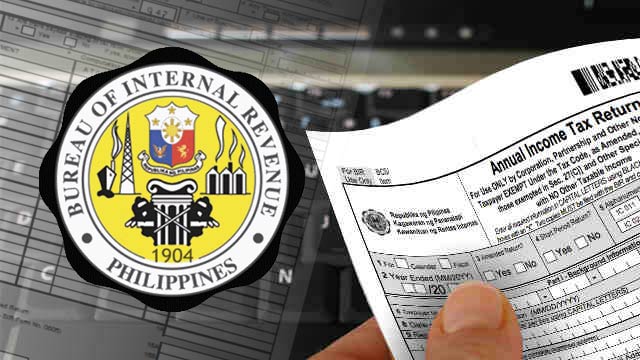
For many entrepreneurs, the Bureau of Internal Revenue is the most intimidating part, especially when they lack clear understanding of tax rules.
A practical solution is to visit your local Negosyo Center under the DTI. These centers offer free consultations and guidance for business registration and compliance.
Supply chain issues
In the Philippines, securing inventory can feel unpredictable due to factors like typhoons, port congestion, and shipping delays.
To reduce risk, entrepreneurs should build a strong “suki network” and maintain relationships with multiple suppliers instead of relying on just one.
Lack of skilled labor
Finding and retaining skilled workers remains difficult as employees often move to better-paying opportunities such as BPO jobs or overseas work.
Small businesses can retain staff by offering flexible schedules, meals, and opportunities to learn new skills.
Emotional and mental stress on owners
The pressure of running a business without a financial safety net often leads to burnout among Filipino entrepreneurs.
Joining entrepreneur communities or local support groups can provide emotional support and practical advice.
Summary of common Filipino business problems
| Problem | Main Causes | Practical Solutions |
|---|---|---|
| Rising Costs | Inflation, rent, utilities | Cost tracking, supplier negotiation |
| Lack of Capital | Strict bank rules, 5-6 system | Government loans (SB Corp), digital lenders |
| Weak Digital Skills | Tech fear, lack of training | DTI webinars, simple digital tools |
| Big Competition | Chains, online sellers | Hyperlocal service, loyalty programs |
| Compliance Issues | Complex regulations, taxes | Negosyo Center assistance |
| Supply Chain | Price swings, delivery delays | Multiple suppliers, inventory planning |
| Labor Shortage | High turnover, low pay | Incentives, cross-training |
| Stress & Burnout | Long hours, financial pressure | Delegation, automation, support groups |
Conclusion
Being a Filipino entrepreneur is a marathon, not a sprint. While the challenges—from inflation to bureaucracy—are real, they can be overcome through planning, digital adoption, and the use of available government resources.
What is the biggest headache in your business right now? Share your experience in the comments.