- A phone charging service is one of the lowest‑capital, fastest‑ROI micro‑businesses in the Philippines.
- With 5G phones draining faster, “low battery anxiety” creates constant demand in high‑traffic areas.
- Startup cost can be as low as ₱500, yet it can generate daily income with almost zero operating expenses.
- Perfect add‑on business for sari‑sari stores, market stalls, terminals, and home‑based entrepreneurs.
These days, almost every Filipino relies on their smartphone for work, communication, navigation, and entertainment. From Grab and Lalamove riders to students and market vendors, a dead battery can mean lost income or lost opportunities. This is why a simple phone charging service—whether piso‑charge, counter‑charge, or power bank rental—remains one of the most profitable micro‑businesses today.
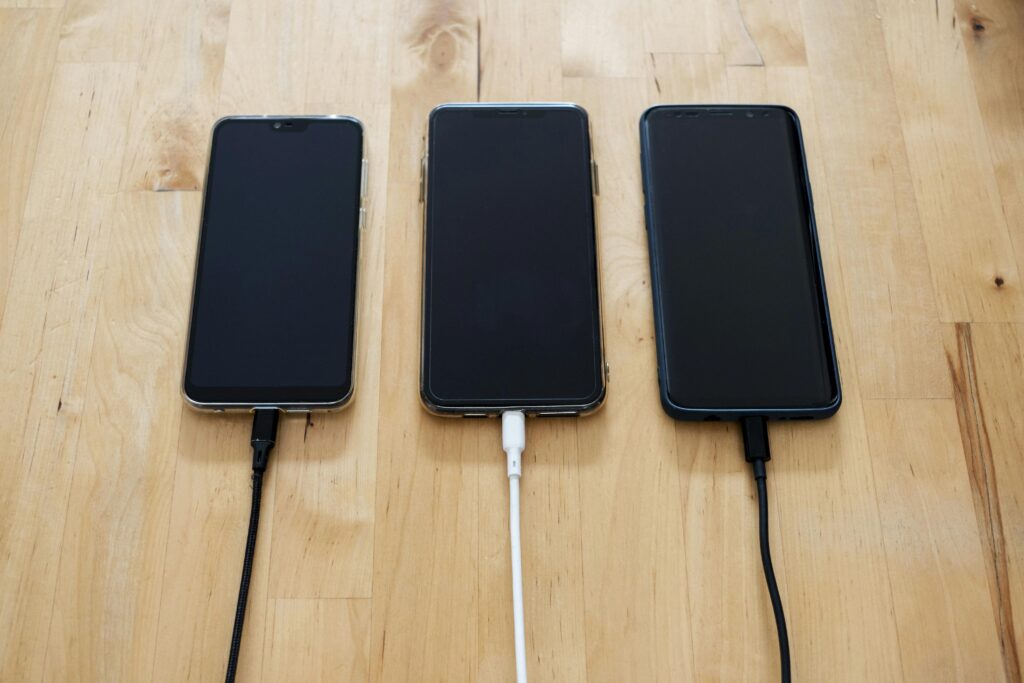
Here’s a complete guide to starting your own phone charging service with small capital and steady daily income.
Choose your business model
Your earning potential depends on the model you choose. Each option has different startup costs, effort levels, and income potential.
| Model | Setup Cost | Effort Level | Income Potential |
|---|---|---|---|
| Piso‑Charge (Vendo) | ₱3,500–₱5,000 | Low (Self‑service) | Passive; depends on foot traffic |
| Counter Service | ₱500–₱1,500 | High (Staff‑managed) | Higher trust; upsell opportunities |
| Power Bank Rental | ₱15,000+ | Medium (App‑based) | High; modern “tech” appeal |
Example: A sari‑sari store in Cavite earns ₱150–₱250 daily from a piso‑charge machine placed beside their Piso‑WiFi vendo.
Setup requirements and costs
You don’t need a full shop. A small corner of a sari‑sari store, market stall, or waiting area is enough. Your setup depends on your chosen model.
For piso‑charge machines
Piso‑charge vendos cost ₱3,500–₱4,700 on Shopee or Lazada. Most units include:
- 2–5 charging slots
- Universal cables (Type‑C, Lightning, Micro‑USB)
- Coin slot and timer
- Steel casing for safety
For counter‑charge setups
If you prefer manual charging, you only need:
- Heavy‑duty power strip with surge protection
- 3–5 fast‑charging adapters (20W–33W)
- High‑quality universal cables
- Clear signage: “CHARGE DITO – ₱5 ONLY”
Tip: Avoid ₱20 cables—they break fast and damage customer phones. Invest in durable ones.
Profitability: show me the money
Phone charging is extremely profitable because electricity cost is almost zero. A full charge costs only ₱0.10–₱0.25 in electricity.
Sample daily computation
Rate: ₱5 per 10 minutes (standard piso‑charge rate)
Customers: 20 per day
Daily Income: ₱100
Monthly Income: ₱3,000
Electricity Expense: ~₱150/month
Net Profit: ₱2,850/month
From a ₱4,000 investment, you can recover your capital in less than two months.
High‑traffic example: A charging station in a jeepney terminal can earn ₱300–₱500 daily, especially during rush hours.
Best locations (the “dead battery” zones)
The success of this business depends almost entirely on location. You want places where people wait, scroll, and drain their battery.
Top locations
- Transport terminals: Jeepney, tricycle, UV Express, and bus stops
- Public markets: Especially near loading/unloading zones
- Near schools: Students are heavy phone users
- Hospitals: Relatives waiting for hours need charging
- Beside Piso‑WiFi machines: Users drain battery faster
Example: A stall beside a hospital waiting area earns double the usual rate during visiting hours.
Safety and legal tips
Phone charging is simple, but safety and compliance still matter—especially in crowded areas.
Fire safety
Cheap extension cords can overheat. Use:
- Heavy‑duty power strips
- Steel‑cased vendo machines
- Proper ventilation around chargers
The tag system
If doing manual counter service, give customers a numbered claim tag. This prevents releasing the wrong phone and avoids disputes.
Business permit rules
If this is an add‑on to your sari‑sari store, you don’t need a new permit.
If it’s a standalone kiosk, a simple Barangay Business Permit is usually enough.
Your “level up” strategy
To increase income and stand out from competitors, consider these upgrades.
Offer fast charging
People hate waiting. If you offer 30W fast charging, you can charge ₱10 per 10 minutes.
Sell accessories
Place affordable cables, chargers, and power banks beside your station. Customers with low battery often need accessories too.
Go solar
A ₱7,500 solar charging kit eliminates your electricity bill and keeps your service running during brownouts—when demand is highest.
Example: A solar‑powered charging station in Samar earns the most during typhoons and power outages.
Conclusion
A phone charging service is one of the simplest, cheapest, and most reliable micro‑businesses you can start in the Philippines. With low startup costs, minimal maintenance, and strong daily demand, it’s a perfect add‑on for sari‑sari stores, market stalls, and small kiosks.
Choose the right model, secure a high‑traffic location, and prioritize safety. With the right setup, this tiny business can generate steady daily income and pay for itself in weeks—not months.