- Filipino consumers expect fast, transparent, and digital‑friendly service—warm smiles alone are no longer enough.
- Nearly 60% of retail transactions now involve digital payments, increasing customer expectations for accuracy and speed.
- Most CX failures happen in the “Trust Gap”—the space between what your business promises online and what customers actually experience.
- Fixing these mistakes doesn’t require big budgets; small operational improvements can dramatically increase loyalty and repeat sales.
Filipino customers today are more discerning, more digital, and more vocal. They compare your service not just to your competitors, but to the best experience they’ve ever had—whether that’s a fast-food chain, a bank app, or a global e‑commerce platform. For small businesses, this means customer experience (CX) is no longer optional; it’s a survival strategy.
Here are the 10 most common CX mistakes Filipino small businesses make—and the practical fixes you can apply immediately.
The infinite loop chatbot
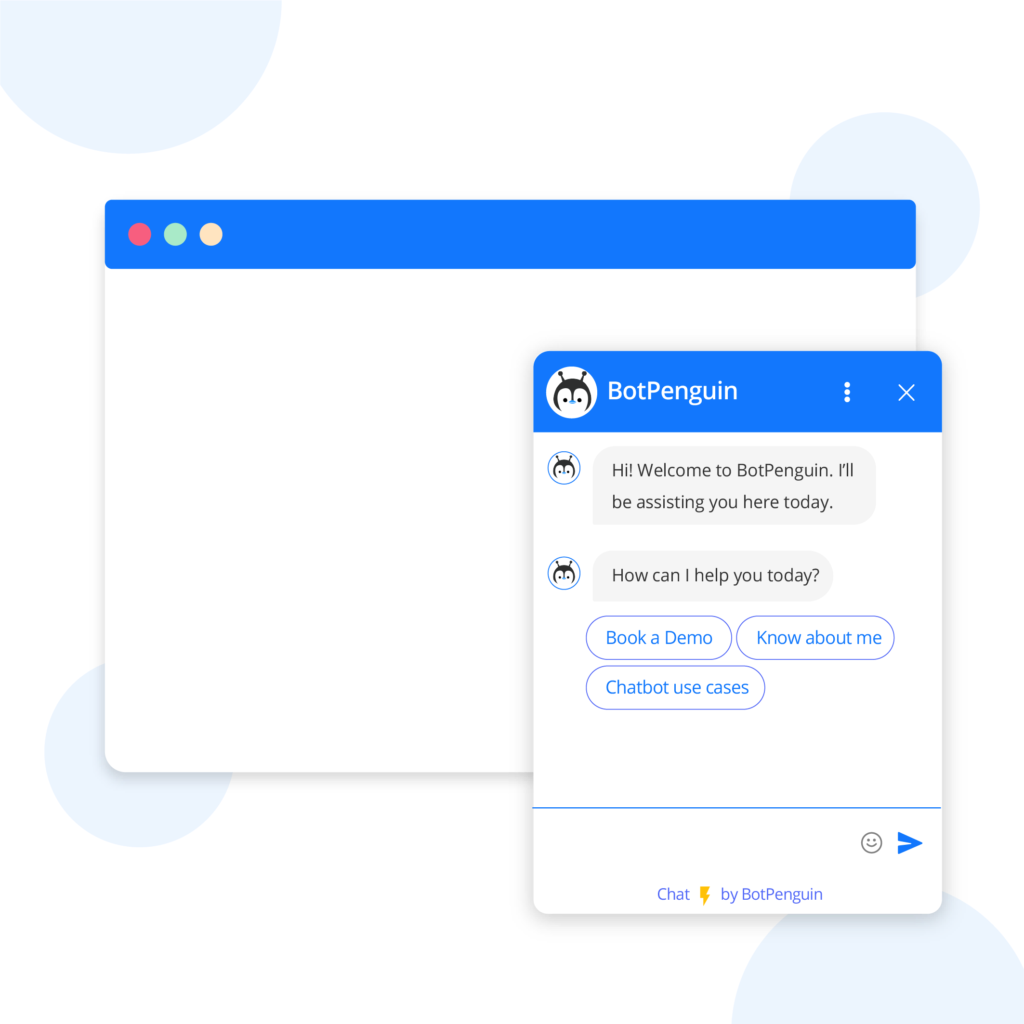
Automation is helpful, but only when it supports—not replaces—human judgment. Many small businesses now use cheap chatbots that trap customers in repetitive loops, especially when dealing with complex issues like failed GCash payments or delivery problems.
Why this hurts your business
Customers feel ignored when they can’t reach a real person. A frustrated customer will abandon the transaction and move to a competitor within minutes, especially on Facebook Marketplace or Instagram Shops.
The fix
Use Human‑in‑the‑Loop (HITL) systems. Add a clear “Talk to a Human” button that instantly routes the conversation to a staff member when the bot detects frustration or repeated keywords.
Example: A small online clothing shop reduced refund disputes by 40% after adding a human escalation option to their Messenger bot.
Rigid protocol over problem‑solving
Many Filipino staff are trained to follow scripts so strictly that they lose the ability to think critically or find ways to solve the problem creatively. This leads to the dreaded line: “Protocol po namin ito.”
Why this hurts your business
Customers feel dismissed when their unique situation isn’t acknowledged. This often happens because employees fear being blamed or charged for mistakes.
The fix
Empower your frontline team. Give them a small discretionary budget (₱200–₱500) to resolve issues on the spot—like offering a free dessert, a shipping discount, or a replacement item.
Example: A café in Cebu allowed baristas to offer a free drink for delayed orders, resulting in higher tips and better reviews.
Silent out‑of‑stock moments
Nothing frustrates customers more than ordering an item online—only to be told it’s out of stock after payment.
Why this hurts your business
It breaks trust instantly. Customers feel deceived, even if it was an honest mistake. This is one of the top reasons for 1‑star reviews on Shopee and Lazada.
The fix
Use inventory management apps like Packworks, StoreHub, or even simple Google Sheets with auto‑sync. When an item sells out in your physical store, it should automatically be marked unavailable online.
Example: A small hardware store in Laguna reduced cancellations by 70% after syncing their online and in‑store inventory.
Barya (small change) friction
Despite the digital shift, many small businesses still struggle with physical cash handling, especially during peak hours.

Why this hurts your business
Asking customers to “hanap po kayo ng barya” or sending them to another store for change creates embarrassment and delays. It also makes your business look unprepared.
The fix
Adopt a digital‑first mindset. Encourage GCash or Maya payments by offering a small “green discount” (₱2 off). This reduces the need for coins and speeds up your checkout line.
Example: A sari‑sari store in Cavite increased digital payments to 80% after offering a ₱1 discount for QR payments.
The invisible delay
Filipinos are patient, but they hate being ignored. Silence is the fastest way to lose a customer.
Why this hurts your business
When customers don’t receive updates, they assume the worst—poor service, incompetence, or even scams. A 30‑minute delay in responding to a Facebook message is enough for them to switch to a competitor.
The fix
Practice proactive communication. If a kitchen order is delayed, inform the customer before they ask. If a delivery rider is stuck in traffic, send an SMS update.
Example: A home‑based baker in Iloilo sends automated SMS updates for every stage of the order, resulting in a 4.9/5 customer rating.
Ignoring the suki data
Small businesses often have regular customers but treat every visit like the first one. In 2026, generic service feels like bad service.
Why this hurts your business
Customers expect personalization. When you forget their usual order or preference, it feels like you don’t value their loyalty.
The fix
Use a simple digital logbook or CRM app. Record preferences like “no onions,” “extra spicy,” or “COD only.”
Example: A carinderia in Quezon City remembers which customers prefer brown rice, increasing repeat visits by 30%.
Over‑discounting as a band‑aid
Many businesses try to fix bad service by offering discounts. This is a dangerous habit.
Why this hurts your business
It trains customers to only buy when there’s a sale. It also reduces your margins and devalues your brand.
The fix
Focus on value‑add, not price‑cut. Offer priority delivery, free personalization, or extended warranty instead of discounts.
Stat: Customers in 2026 are willing to pay up to 17% more for exceptional service quality (PwC CX Report).
Lack of omnichannel continuity
Customers often start a conversation on Instagram, continue on Messenger, and finish the purchase on your website.
Why this hurts your business
Asking them to repeat their details or order number feels unprofessional and wastes their time.
The fix
Use a centralized inbox like Meta Business Suite or SleekFlow. This allows your staff to see the full conversation history across platforms.
Example: A boutique shop in Baguio unified their inbox and reduced abandoned carts by 25%.
Hidden fees at checkout
Nothing kills a digital sale faster than surprise charges.
Why this hurts your business
Customers feel tricked when packaging fees, handling fees, or high shipping costs appear only at the final step.
The fix
Use all‑in pricing. If you must charge shipping, state it clearly on the product page—not just at checkout.
Example: A small gadget shop increased conversions by 40% after switching to transparent pricing.
The un‑empathetic apology
When mistakes happen, many businesses use template apologies that feel robotic and insincere.
Why this hurts your business
Customers want acknowledgment, not generic scripts. A bad apology can make the situation worse.
The fix
Use the A.S.A.P. Method:
- Acknowledge the specific error
- Sorry sincerely
- Amulate (explain how you will fix it)
- Prevent (explain how it won’t happen again)
Example: A delivery delay apology that says “Your order was delayed due to heavy rain; we’ve upgraded your next delivery to priority at no cost” feels genuine and solution‑oriented.
Customer experience mistake summary table
| CX Mistake | Why It Hurts | Quick Fix |
|---|---|---|
| Infinite Loop Chatbot | Customer frustration | Add “Talk to a Human” |
| Rigid Protocol | No empathy | Empower staff |
| Out‑of‑Stock Issues | Broken trust | Sync inventory |
Conclusion
Filipino customers expect more than friendliness—they expect speed, transparency, personalization, and digital readiness. Small businesses that fix these 10 CX mistakes will stand out instantly, even against bigger competitors.
Customer experience is no longer a “nice to have.” It is your strongest competitive advantage. When you deliver consistently excellent service, customers reward you with loyalty, referrals, and long‑term growth.
In a crowded market, the best experience—not the lowest price—wins.