Summary
- Organized freezers prevent food spoilage, bad odors, and customer health risks.
- Correct freezer zoning and labeling save time and reduce operating costs.
- Raw and cooked foods must always be separated to avoid contamination.
- Regular cleaning, temperature checks, and inventory tracking help keep your carinderia safe and efficient.
Why freezer organization matters in a carinderia
A freezer isn’t just cold storage—it’s the lifeline of every carinderia. It keeps your meat, fish, sauces, and cooked food fresh for the next service. When poorly organized, it can silently drain your profit through spoilage, waste, or worse, customer food poisoning.
Common causes of spoilage include fluctuating temperatures, leaving food uncovered, and mixing raw meat with cooked dishes. These habits often lead to cross‑contamination, where raw juices drip onto ready‑to‑eat food. According to the Department of Health (DOH), improper food handling is one of the leading causes of foodborne illness in small eateries.
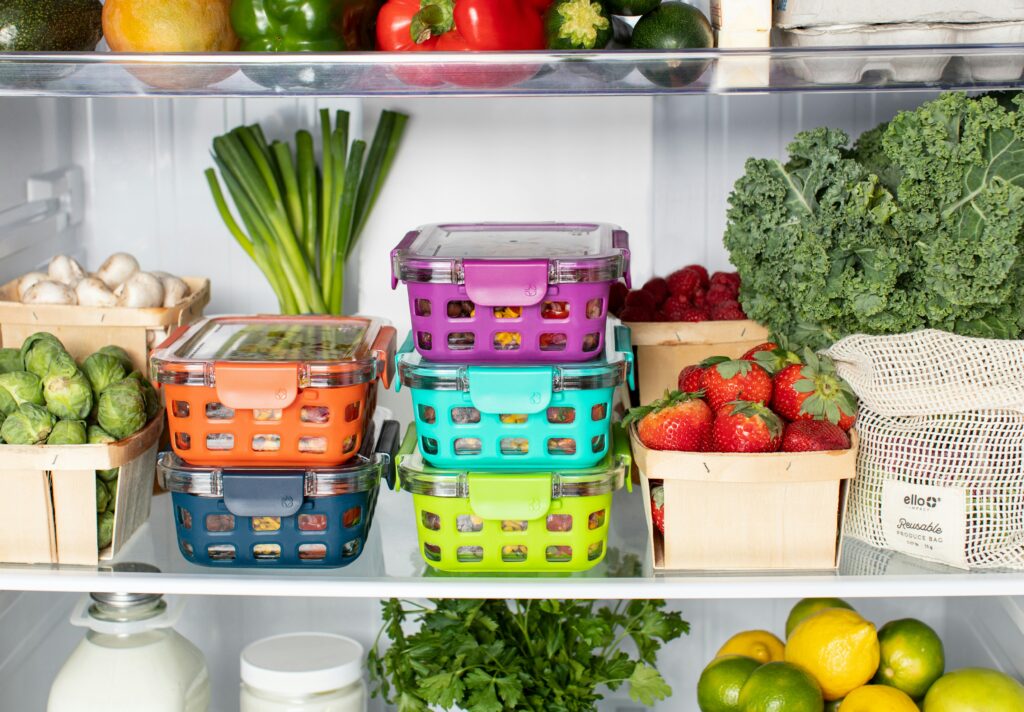
In a carinderia that runs on tight margins, every kilo of meat wasted means lost profit. A clean and organized freezer helps maintain food safety, lowers electricity use, and makes daily prep faster—making it a quiet but powerful business partner.
Types of food you should store in the freezer
- Raw meats such as pork, chicken, beef, and fish. These are your main ulam ingredients.
- Pre‑portioned ingredients like chopped onions, garlic, or mixed vegetables ready for cooking.
- Cooked ulam for next‑day service, for example, adobo, menudo, or mechado.
- Stocks, sauces, and soups for flavor bases, conveniently frozen in containers or ice trays.
- Vegetables and aromatics that spoil fast, like kangkong, ginger, or lemongrass.
Tip: Group similar items together for easy tracking and faster turnover.
The golden rules of freezer organization
- FIFO (First In, First Out): Always use older stocks first. Keep newer ones at the back.
- Label and date everything: Write storage dates with a marker so you know when food was frozen.
- Separate raw from cooked: Never let them share space. Use dedicated containers.
- Keep food tightly sealed: Use lids, wrapping, or ziplock bags to prevent freezer burn and smell mixing.
- Avoid overloading: Too much food blocks air circulation, causing uneven freezing.
A good habit is to schedule a quick freezer check before closing every night, ensuring lids are sealed and items properly stacked.
Freezer zoning: the safest layout for a carinderia
| Freezer Zone | Recommended Contents | Purpose |
|---|---|---|
| Top shelf | Cooked food, sauces, ready‑to‑serve items | Keeps ready‑to‑eat dishes away from raw juices |
| Middle shelf | Prepped ingredients, partly cooked food | Easy access for next‑day cooking |
| Bottom shelf | Raw meats and seafood | Prevents drips that can contaminate other food |
| Door section | Ice, sealed packs, less critical items | Temperature here fluctuates the most |
Raw meat must always stay at the bottom because cold air sinks, and any liquid or blood dripping won’t touch cooked food above. This single step prevents most cases of food contamination in small eateries.
Containers, packaging, and tools you should use
Many carinderia owners recycle plastic tubs or use ice cream containers, but not all plastics are food‑safe. Invest in proper containers—it’s safer in the long run.
- Food‑grade containers: Prevent chemical contamination and are more durable.
- Ziplock bags: Perfect for portioning meat and sauces while saving space.
- Vacuum sealing: (optional) Helps extend shelf life by removing air.
- Stackable containers: Keep your freezer neat and easy to navigate.
- Color‑coded containers: (red for raw, blue for cooked) Help avoid mix‑ups during busy hours.
Example: A carinderia in Bulacan uses red containers for raw meats and clear ones for cooked food—making it easy for helpers to identify what’s safe to handle.
Temperature control and freezer maintenance
A well‑maintained freezer keeps temperatures stable at around –18°C (0°F), ideal for preventing bacteria growth.
If you don’t have a thermometer, check by feel: food should be rock‑solid and frost slightly visible but not excessive. Signs that your freezer is struggling include frequent ice buildup, soft frozen food, or water pooling at the bottom.
Defrost regularly. Too much ice blocks airflow and strains your compressor, increasing electricity bills. A small freezer should be defrosted monthly.
Cleaning schedule
- Weekly: Wipe spills, check for leaks.
- Monthly: Deep clean and defrost.
- Quarterly: Inspect gaskets and seals.
Use mild dish soap and warm water—avoid bleach or strong chemicals as these can damage plastic linings.
How to store raw meat safely
- Portion before freezing: Divide meat into meal‑size packs to prevent unnecessary thawing.
- Remove excess liquid: Pat dry before storing to prevent ice crystals and freezer burn.
- Wrap properly: Use cling film or ziplocks, then place inside sealed containers for double protection.
- Separate by type: Never mix pork, chicken, and fish in one container; they have different bacteria levels and spoilage rates.
Example: Ate Lorna’s carinderia in Quezon City labels all meat portions with colored tape—red for pork, yellow for chicken, blue for fish—making it easy for new staff to follow.
How to store cooked ulam properly
- Cool before freezing: Let meals cool to room temperature first; putting hot food inside raises the freezer temperature.
- Portion for daily service: Store one‑day servings separately to avoid repeatedly thawing the whole batch.
- Storage duration: Cooked food stays good in the freezer for up to two weeks if properly sealed.
- Reheating: Always reheat until steaming hot (at least 75°C) to kill bacteria. Never re‑freeze thawed ulam.
Preventing cross‑contamination
- Keep raw and cooked foods in separate containers and shelves.
- Use different utensils and chopping boards.
- Clean spills immediately; even small drips from thawing meat can contaminate cooked food.
- Covering food (“takip lang”) isn’t enough—liquid can still leak. Use sealed containers.
- Never refreeze thawed items, as bacteria multiply rapidly once food defrosts.
Common freezer mistakes in carinderias
- Overpacking: Reduces airflow and unevenly freezes food.
- Storing hot dishes immediately: Raises overall temperature and spoils nearby items.
- Using cracked or open containers: Allows odors and bacteria to spread.
- Not labeling anything: Leads to forgotten or expired food.
- Freezing near‑expired items: Freezing slows spoilage but doesn’t reverse it.
For every ₱1,000 in wasted meat due to spoilage, you’re essentially throwing away one day’s profit—something easily avoided with consistent freezer discipline.
Weekly and monthly freezer checklists
Weekly
- Check inventory and use old stocks first (FIFO).
- Clean spills and check seals.
- Verify proper labeling and organization.
Monthly
- Defrost and deep clean the freezer.
- Discard expired or damaged items.
Quarterly
- Inspect the compressor and rubber door seals.
- Review your energy consumption.
Sample freezer inventory log
| Item | Date Stored | Portion Size | Shelf Location | Expiry Date |
|---|---|---|---|---|
| Chicken Adobo | Feb 20, 2026 | 1 kg | Top shelf | Mar 6, 2026 |
| Pork Liempo | Feb 21, 2026 | 2 kg | Bottom shelf | Mar 14, 2026 |
| Stock (Chicken) | Feb 18, 2026 | 1 Liter | Middle shelf | Mar 10, 2026 |
Cost impact: how proper freezer organization saves money
Good freezer habits directly improve profitability. Research by the Food and Agriculture Organization (FAO) shows that food waste in small eateries can reach up to 15% of total stock due to mishandling. By organizing your freezer, you save on:
- Spoilage costs: Less food thrown away.
- Prep time: Clear zoning means faster cooking flow.
- Electric bills: Air circulates properly, maintaining temperature efficiently.
- Portion control: Easy tracking reduces over‑preparing dishes.
In short, managing your freezer like a mini‑warehouse can help you save thousands of pesos yearly.
Troubleshooting common freezer problems
- Not cold enough? Inspect the seal—loose rubber edges cause cold air leaks.
- Ice buildup? Defrost and check door alignment.
- Strange smell? Clean with baking soda and ensure proper sealing.
- Water leaks? Drain outlet might be blocked.
- Uneven freezing? Avoid stacking food too tightly and ensure airflow.
Final thoughts
A well‑organized freezer keeps your carinderia safe, efficient, and profitable. It may seem like a small detail, but behind every successful eatery is a disciplined storage system. Whether you’re an OFW coming home to start a carinderia or a long‑time vendor looking to improve, treat your freezer like a trusted kitchen partner—because when your freezer works smart, your business does too.