The food business in the Philippines offers plenty of promising opportunities for aspiring entrepreneurs. From carinderia ventures that expand into catering services for events, to standalone specialty restaurants, franchised fast-food chains, and take-out food stalls in marketplaces or malls — the possibilities are wide and diverse.
Carinderia Challenges
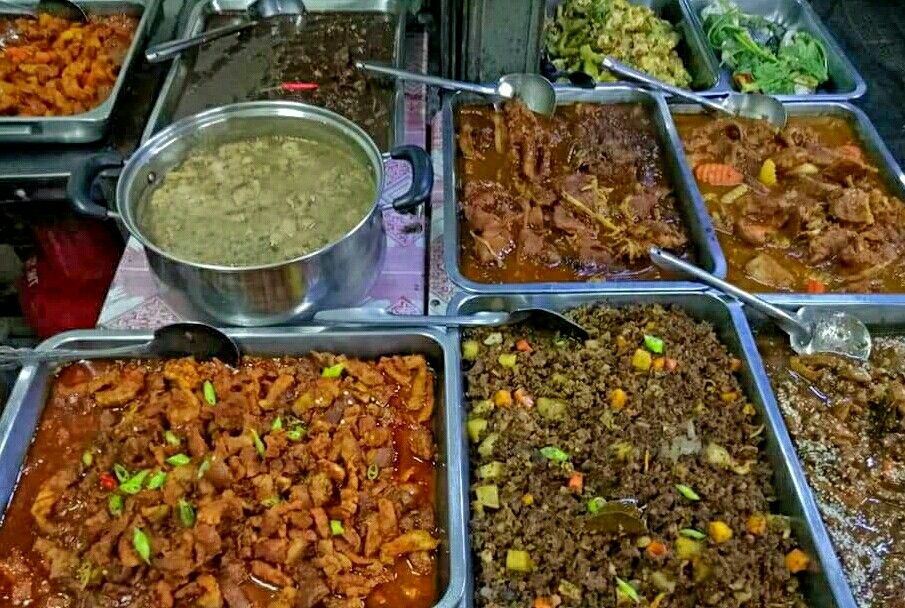
In this article, we’ll focus on small eateries known locally as carinderias. These businesses are popular for their quick service, affordable meals, and wide variety of dishes catering to workers, students, and average-income families. Customers typically select their meals by pointing at the dishes — hence the nickname “turo-turo,” which means “to point.”
While this type of business can be rewarding, success depends on a balance of delicious food, fair pricing, and a strategic location. Even with these in place, carinderia owners still face everyday challenges that require attention and adaptability.
Availability of Capital
Many carinderia owners struggle to raise additional funds even after gaining loyal customers. Upgrading cooking equipment, adding more tables and freezers, or expanding menu offerings often requires extra capital. However, profit margins are typically thin and absorbed by daily expenses such as utility costs, staff wages, supplies, and ingredients.
Without new funding, running the business on a tight budget can make even regular operations challenging.
Food Safety
One frequent concern among customers is food safety. Some carinderias operate in areas lacking proper waste disposal or sanitation facilities. In other cases, staff may not be aware of safe food-handling practices such as temperature control, proper storage, and equipment cleanliness. Poor hygiene can lead to food-borne illnesses, which could harm customers and damage the business’s reputation.
Availability of Supplies and Ingredients
Unstable supply chains can make daily operations unpredictable. Some ingredients are seasonal and unavailable all year round. External factors such as shellfish bans during red tide, poultry supply restrictions due to disease outbreaks, or typhoons disrupting vegetable transport can severely affect supply and pricing.
Variety of Menu
Another challenge is maintaining a varied menu. Some carinderias offer limited selections, which may dissuade certain customers. A menu heavy on chicken or pork might exclude those looking for fish or halal options, and vegetarians may find few suitable choices.
This lack of variety often stems from insufficient ingredient supply, minimal manpower, or limited capital for expanding offerings.
Staff Turnover
Small carinderias typically employ part-time helpers who handle dishwashing, cleaning, or serving. These workers may include students, stay-at-home mothers, or family members. Because these arrangements are temporary or low-paying, staff turnover is common.
When workers leave for better-paying jobs or new responsibilities, it can be difficult — and costly — for owners to train replacements, especially in newly established businesses.
Bonus: Business Management
Running a carinderia requires more than a love of cooking. Strong management skills are needed to oversee operations, handle staff concerns, communicate with suppliers, and deal with competition. For example, managers must identify which dishes sell best while understanding that popularity doesn’t always equal profit.
Business owners also need to handle negotiations with suppliers raising prices, landlords increasing rent, or competitors opening nearby. A tactical approach can help sustain customer loyalty and maintain profitability.
Conclusion
Starting a carinderia business can be both exciting and risky. Understanding the challenges — from capital constraints to hygiene, supply, and staffing issues — helps new entrepreneurs be better prepared for the realities of daily operations. With careful planning, dedication, and adaptability, a carinderia can grow into a stable and rewarding venture.
FAQ: Common Carinderia Challenges and How to Solve Them
1. Why do many carinderias struggle to stay profitable?
Carinderias often struggle due to high food waste, inconsistent pricing, poor menu planning, and rising ingredient costs. Without proper portion control and daily sales tracking, profit margins can shrink quickly.
2. What is the biggest operational challenge for carinderias?
Food waste is one of the biggest challenges. Overcooking, poor forecasting, and slow-moving dishes lead to losses. Cooking in smaller batches and tracking daily demand helps reduce waste.
3. How can carinderias deal with rising ingredient prices?
Carinderias can manage rising costs by adjusting portions, rotating menus based on affordable ingredients, sourcing from reliable suppliers, and offering dishes with higher margins such as vegetables and chicken-based meals.
4. How do I maintain consistent food quality in a carinderia?
Use standardized recipes, measure ingredients accurately, and train staff to follow the same cooking process. Consistency builds customer trust and encourages repeat visits.
5. What are the most common sanitation issues in carinderias?
Common issues include improper food storage, cross-contamination, lack of handwashing stations, and unclean utensils. Regular cleaning schedules and proper food handling practices help maintain sanitation.
6. How can I attract more customers to my carinderia?
Offer best-selling dishes daily, maintain cleanliness, provide friendly service, and keep prices competitive. Displaying dishes clearly and offering small promos can also increase foot traffic.
7. How do I prevent spoilage and food waste?
Cook in smaller batches, store ingredients properly, repurpose leftovers into breakfast meals, and track which dishes sell fastest. A weekly menu plan also helps control spoilage.