- Inventory—not customers—is the number one reason sari‑sari stores lose money in 2026.
- Dead stock, expired goods, and poor reordering habits silently drain your capital.
- Smart inventory systems ensure your cash keeps moving instead of sitting on a dusty shelf.
- This guide gives you a practical, Filipino‑friendly diskarte to protect your puhunan.
Managing inventory in a sari‑sari store is a daily balancing act. Stock too little and your suki will buy from the tindahan next door. Stock too much and your capital gets trapped in items that don’t move—or worse, expire. Studies show that micro‑retailers fail not because of low sales, but because their cash is stuck in slow‑moving or forgotten inventory.
Here is the exact diskarte to manage your sari‑sari store inventory without losing money.
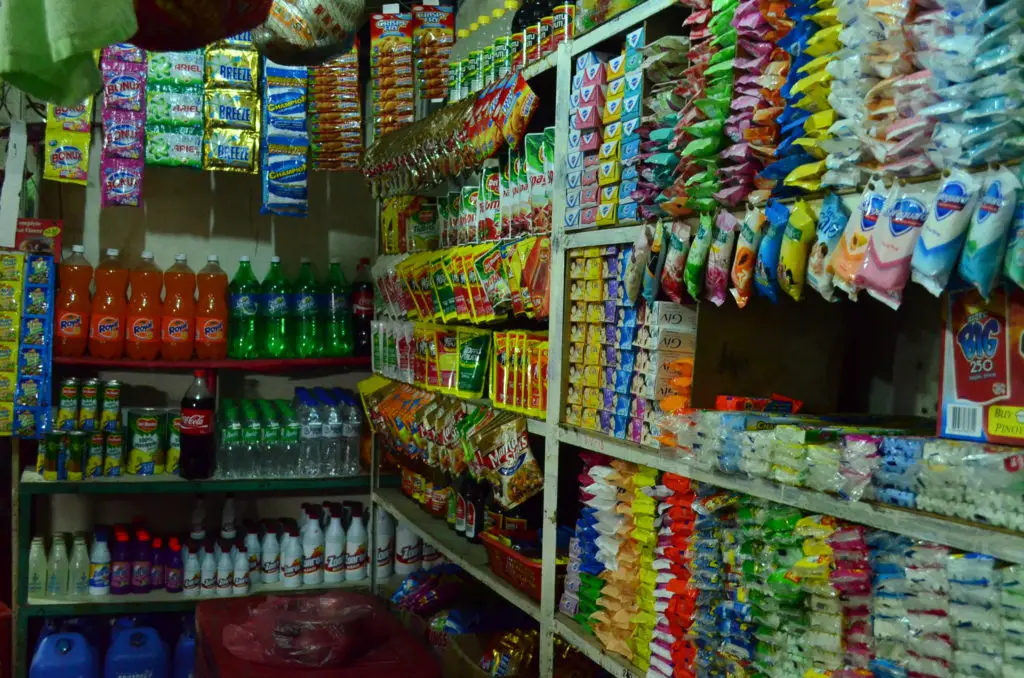
Enforce the sacred FIFO system
Expired goods are pure loss. Once a product expires, you cannot sell it, return it, or recover your capital. The biggest cause of expired stock is poor shelf rotation.
The problem
When restocking, it’s natural to place new boxes in front because it’s easier. But this pushes older stock to the back, where it sits until it expires.
The fix
Use First‑In, First‑Out (FIFO). Every time new inventory arrives, push old stock forward and place new stock behind it. This ensures older items sell first.
Example: A store in Laguna reduced expired goods by 90% simply by enforcing FIFO for coffee sachets and canned goods.
Separate the tingi vs. pack math
Sari‑sari stores buy wholesale but sell retail. This creates a unique risk: losing even one piece can wipe out your entire profit for that pack.
The problem
If you buy a pack of 10 biscuit sachets for ₱60 (₱6 each) and sell them for ₱8 each, your total profit is ₱20. But if your family eats just one sachet or one gets damaged, your profit disappears.
The fix
Track inventory by the smallest unit—piraso, sachet, or piece. Never track by “box” or “pack.” If a box contains 24 pieces, record it as 24 units in your logbook or POS app.
Tip: Count your tingi items daily. These are the easiest to lose and the easiest to steal.
Classify stock into ABC tiers
Not all inventory deserves equal attention. Your capital should flow toward items that move quickly—not items that sit for weeks.
| Tier | Product Types | Turn Rate | Buying Strategy |
|---|---|---|---|
| A (Fast‑Moving) | 3‑in‑1 coffee, soft drinks, cooking oil, eggs | 1–3 days | Buy in bulk; never run out |
| B (Medium‑Moving) | Canned goods, noodles, laundry sachets | 1–2 weeks | Reorder when stock hits 25% |
| C (Slow‑Moving) | Large shampoo bottles, condiments | 3+ weeks | Buy minimal quantities |
Example: A store in Quezon City freed ₱8,000 of trapped capital by reducing Tier C items and reinvesting in fast‑moving coffee and soft drinks.
Digitize with free local POS apps
Paper notebooks work, but they rely on memory and discipline. In 2026, free POS apps designed for sari‑sari stores make inventory tracking easier and more accurate.
The strategy
Use apps like Peddlr or Packworks. These apps let you:
- Scan barcodes using your phone
- Automatically update stock levels
- Receive low‑stock alerts
- Generate daily profit reports
Benefit: You always know what’s selling, what’s not, and how much profit you made today.
Establish strict reorder points
Running out of stock means losing customers to your competitor. Reorder points prevent this by telling you exactly when to restock.
The strategy
Set a “trigger number” for each product based on daily sales and restocking time.
Example computation
If you sell 10 Lucky Me! noodles per day and it takes 2 days to restock:
- Daily sales: 10
- Lead time: 2 days
- Reorder point: 20 pieces
The moment your stock hits 20, you restock. This prevents zero‑stock days.
Factor in seasonal suki trends
Inventory demand changes with weather, school schedules, and community events. Smart stores adjust their stock based on the season.
Dry season (March–May)
- Block ice
- Ice candy ingredients
- Cold soft drinks
- Powdered juices
Rainy/typhoon season (June–October)
- Candles and matches
- Instant coffee
- Canned sardines and meat loaf
- Battery‑powered lights
School season
- Notebooks and intermediate pads
- Affordable snacks
- Pens and pencils
Example: A store near a school allocates 15% of capital to school supplies from June to August, doubling their weekday sales.
The ultimate financial shield: the two‑box cash system
Even with perfect inventory tracking, you will still lose money if your daily sales are mixed with personal expenses. The two‑box system protects your capital.
Box 1: The Capital Fund
This contains the exact amount needed to replace the items sold today. This money must never be touched for personal needs.
Box 2: The Profit Fund
This contains your markup. This is the only money you can use to pay yourself or your staff.
Example: A store in Batangas increased its weekly restocking budget by 30% after separating capital from profit.
Conclusion
Managing sari‑sari store inventory is not about stocking everything—it’s about stocking smart. By enforcing FIFO, tracking tingi properly, using ABC tiers, digitizing your system, setting reorder points, and adjusting for seasonal demand, you protect your capital and increase your profit.
Inventory is the heart of your sari‑sari store. When you manage it well, your store becomes more stable, more profitable, and more resilient—no matter how competitive your barangay is.