The Philippines continues to show promise as a fast-growing, newly industrialized economy — but doing business in the country remains challenging, especially for foreign investors without strong local support.
The opportunity is undeniable. With a population of over 118 million, the Philippines is the world’s 12th most populous country, yet its economy ranks only 34th globally in GDP. The nation has made significant progress in shedding its old “sick man of Asia” label, driven by a young workforce and a rapidly expanding services sector.
As of 2024, the Philippine economy is composed of:
- 61% Services
- 29% Industry
- 10% Agriculture
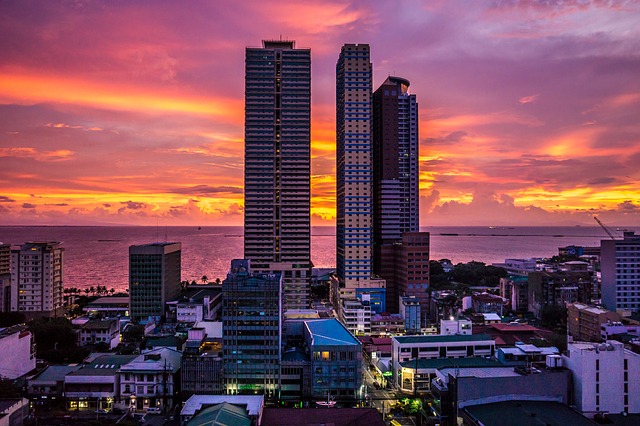
Foreign investments continue to grow, especially in IT-BPM, manufacturing, logistics, and renewable energy. However, despite modernization efforts, the Philippines still faces structural barriers that slow down business operations.
In the World Bank’s Business Ready (B-READY) 2024 pilot assessment — the successor to the Ease of Doing Business report — the Philippines ranked poorly in several categories, particularly in business entry, tax administration, and contract enforcement.
Top Challenges of Doing Business in the Philippines
-
Starting a business remains slow and bureaucratic
Despite digitalization efforts, starting a business in the Philippines still requires multiple steps. According to B-READY 2024, the Philippines ranks in the bottom 30% globally for business entry.
Entrepreneurs still face:
- Multiple agency registrations (SEC, BIR, LGU, barangay)
- Redundant documentary requirements
- Long processing times for permits
While the government has introduced online portals like the Central Business Portal, implementation remains inconsistent across cities and municipalities.
-
Construction permits require long processing times
Construction permitting remains one of the slowest processes in the region. As of 2024, the Philippines still requires 20+ procedures and takes an average of 70–90 days to complete, depending on the LGU.
Requirements include:
- Building, electrical, and sanitary permits
- Fire safety evaluation
- Zoning clearance
- Environmental compliance (for larger projects)
Digital permitting exists in some LGUs, but nationwide adoption is uneven.
-
Electrical connection remains slow and costly
Obtaining an electrical connection from major distributors like Meralco still takes 30–45 days on average (2024 data). Requirements include:
- Proof of property ownership
- Barangay electrical permit
- City engineering clearance
- Inspection scheduling
Unofficial fees and back-and-forth processing remain common pain points.
-
Registering property is still slow and expensive
Property registration takes an average of 33–40 days (B-READY 2024). The process requires visits to:
- Assessor’s Office
- City Treasurer
- BIR
- Registry of Deeds
While some LGUs have digitized land records, many areas still rely on manual systems.
-
Access to credit remains limited
The Philippines continues to rank low in credit access indicators. According to the World Bank’s 2024 data:
- The country scores low in credit information depth
- Only 10–15% of SMEs have access to formal financing
- Collateral requirements remain high
Reforms allowing movable collateral (inventory, receivables, equipment) are in place, but adoption by lenders is slow.
-
Paying taxes is still time-consuming
According to PwC Paying Taxes 2024, businesses in the Philippines spend an average of:
- 171 hours per year on tax compliance
- 10–12 tax payments annually
While this is an improvement from previous years, the Philippines still lags behind regional peers.
Corporate income tax has been reduced to 25% under the CREATE Law, but administrative processes remain complex.
-
Logistics remain slow in an island economy
The Philippines ranked 60th out of 139 countries in the Logistics Performance Index (LPI) 2023, with low scores in:
- Customs efficiency
- Infrastructure quality
- Timeliness of shipments
Inter-island transport remains costly due to limited ports, lack of rail systems, and dependence on trucking.
-
Contract enforcement is slow and expensive
According to the World Bank’s 2024 judicial efficiency data:
- Contract enforcement takes an average of 784 days
- Legal costs consume up to 25–30% of the claim value
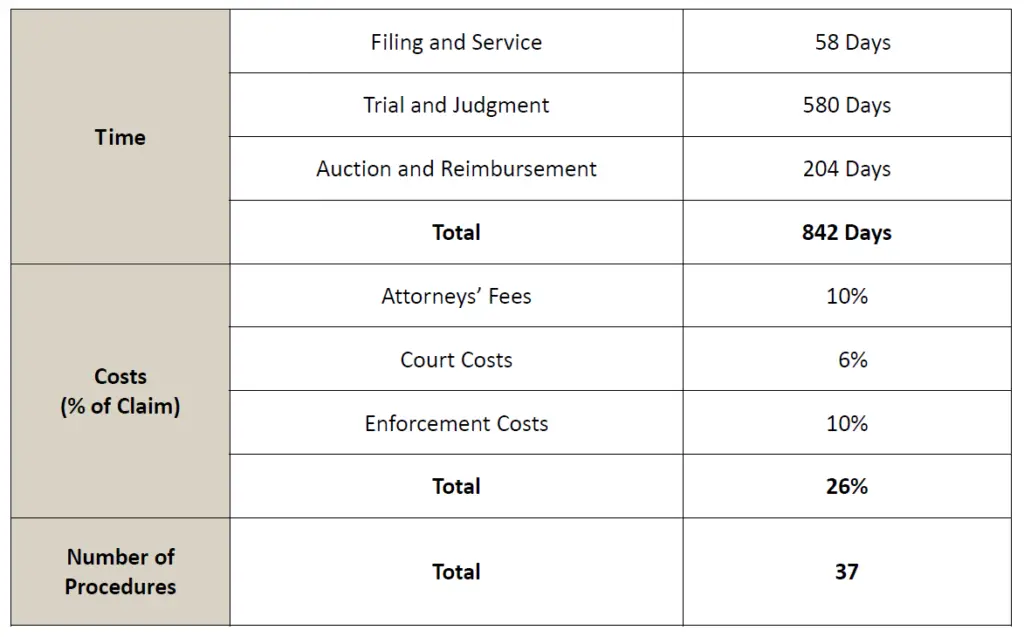
Backlogs in courts remain a major deterrent for investors.
-
Insolvency recovery rates remain among the lowest in Asia
Insolvency proceedings in the Philippines take an average of 2.7 years (OECD 2024), and recovery rates remain low:
- 14.5 cents per dollar recovered (up from 4.9 cents in earlier years)
- OECD average: 70+ cents per dollar
While the Financial Rehabilitation and Insolvency Act (FRIA) has improved processes, implementation remains slow.
Conclusion
Just as Filipinos often complain about slow internet, power interruptions, and daily inefficiencies, businesses face their own set of challenges. For the Philippines to attract and retain investors — and compete with neighboring economies — it must modernize its systems and create a more business-friendly environment.
The issues are well-known. What remains is the consistent execution of reforms that will make the Philippines a truly competitive destination for global and local businesses.