Ukay-ukay clothing business is something Filipinos are very familiar with.
In the Philippines, the business sometimes carries a negative connotation — being associated with worn-out clothes or even potential skin diseases. However, this perception often comes from bad experiences or a lack of understanding about the quality of many thrifted products.
In reality, ukay-ukay shops are not filled solely with used clothing. Many items are actually:
- Factory overruns
- Items with minor manufacturing defects
- Out-of-season fashion pieces
- Unsold ready-to-wear stocks from department stores
These items are often still in excellent condition and simply deserve a second chance to be worn.
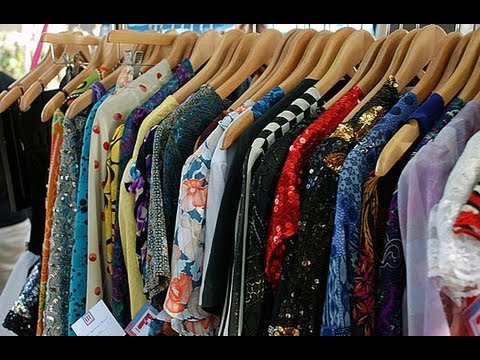
As you learn more about merchants turning thrift clothing into a profitable and fashionable business, you’ll soon discover that ukay-ukay is far from the negative stereotype often associated with it.
If you’re interested in starting your own modest thrift clothing shop, here are some practical tips to guide you.
1. Start Small but Focus on Quality and Marketing
If you have limited capital, starting small is often the best strategy.
Instead of renting an expensive commercial stall right away, you may begin by selling from home. Offer door-to-door delivery and promote your products through social media and word of mouth.
Friends, family members, and neighbors can become your first customers, especially if you offer reasonable discounts.
Saving on rent allows you to allocate more funds toward purchasing additional inventory — an important advantage when building your product selection and attracting new customers.
| Item | Cost (Pesos) |
|---|---|
| Merchandise | 50,000 |
| Equipment (hangers, fans, racks, chairs, etc) | 12,000 |
| Rental (Monthly rental + one month deposit) | 24,000 |
| Staff Salary | 12,000 |
| Utilities | 2,500 |
Once your sales begin to grow and demand increases, you can consider renting a stall in a location with high foot traffic.
A 20-square-meter stall can typically accommodate merchandise worth around ₱50,000 to ₱75,000, depending on your product types and suppliers.
2. Make a Good First Impression
Even if you are trying to minimize expenses, creating a positive first impression is important.
Your shop may not look like a high-end boutique, but your products should still appear clean, organized, and presentable.
Avoid selling overly worn-out items. Many Filipinos are careful about hygiene and prefer clothing that still looks new or lightly used.
To achieve this, look for high-quality surplus clothing suppliers. You can find them by:
- Researching online
- Attending trade shows
- Connecting with other ukay-ukay sellers
3. Focus on Retaining Customers
Once your business starts generating steady income, focus on customer satisfaction rather than constantly chasing new customers.
Providing excellent service and good-quality products will naturally build loyalty.
If customers encounter issues — such as wrong sizing or unexpected damage — handle the situation professionally. Turning small problems into positive customer experiences can strengthen trust and encourage repeat purchases.
4. Build Relationships With Your Customers
When customers buy from your store, try to ask for their contact details (with their permission).
Keeping track of customer preferences allows you to notify them when new stocks arrive that match their interests.
This makes your offers more personalized and gives loyal customers first access to new arrivals before they are displayed in the store.
Even though ukay-ukay is a thrift business, offering excellent customer service can make your shop stand out.
5. Create Excitement With Weekly New Arrivals
Instead of displaying all your items at once, release new stocks gradually.
Regular “new arrival” displays create excitement and encourage customers to return frequently to see what’s new.
You may choose a specific day each week — such as Saturday — when foot traffic is higher and shoppers have more time to browse.
6. Use Online Platforms to Promote Your Products
The internet is one of the most cost-effective marketing tools for small businesses.
Promote your ukay-ukay products through platforms such as:
- Online marketplaces
Posting photos of new arrivals, promotions, and styling ideas can attract customers and expand your reach beyond your local community.
7. Maintain Good Relationships With Suppliers
Strong relationships with suppliers are essential for long-term success.
Whether your suppliers are local or overseas, establish clear agreements regarding:
- Payment terms
- Delivery schedules
- Product quality expectations
Mutual trust and professionalism help ensure a steady supply of quality merchandise.
8. Expand Your Product Line Over Time
Once your business grows, consider expanding your inventory.
In addition to clothing items like shirts, trousers, shorts, and blouses, you can offer:
- Shoes
- Bags
- Belts
- Wallets
- Fashion accessories
You can also take advantage of seasonal demand.
For example:
- School uniforms before the school year begins
- Jackets during colder months
- Swimwear during summer
9. Improve the Appearance of Your Items
Taking care of your products increases their perceived value.
Before displaying items for sale:
- Wash or dry clean clothes if necessary
- Remove dust and stains
- Check for unpleasant odors
Items that are badly damaged or have strong odors should be discarded to protect your shop’s reputation.
10. Discount Slow-Moving Items
Your goal is to sell most of your inventory before new shipments arrive.
Some items sell faster than others, while others remain unsold for weeks.
Products that stay on the rack for three to five weeks can be discounted between 20% and 70%.
Place discounted items in a visible area near the cashier to encourage impulse purchases.
This strategy helps recover some capital and prepares you financially for your next shipment, which typically arrives every 45 to 60 days.
Conclusion
Entering the ukay-ukay business can be challenging, especially if you have limited knowledge of the industry, suppliers, and customer preferences.
Like any business, success depends on understanding your market, offering quality products, and delivering good customer service.
With the right sourcing strategy, proper pricing, and effective marketing, the ukay-ukay clothing business can become a profitable and sustainable venture.